Garage door sensors are a critical safety feature in modern automatic garage doors. These small devices, typically mounted near the base of the door tracks, detect obstacles in the path of the closing door and prevent accidents or property damage. But what are the real-world consequences if these sensors are disconnected? Understanding the effects is essential for anyone considering bypassing or troubleshooting their garage door safety system.
This article explores the practical and safety implications of disconnecting garage door sensors, how it affects door operation, and what homeowners should know before making any changes. We’ll also cover common reasons sensors become disconnected, troubleshooting tips, and safer alternatives to disabling this important feature. For those dealing with sensor mounting issues, you may find how to fix garage door sensor mounting on metal studs helpful as a related resource.
Understanding Garage Door Safety Sensors
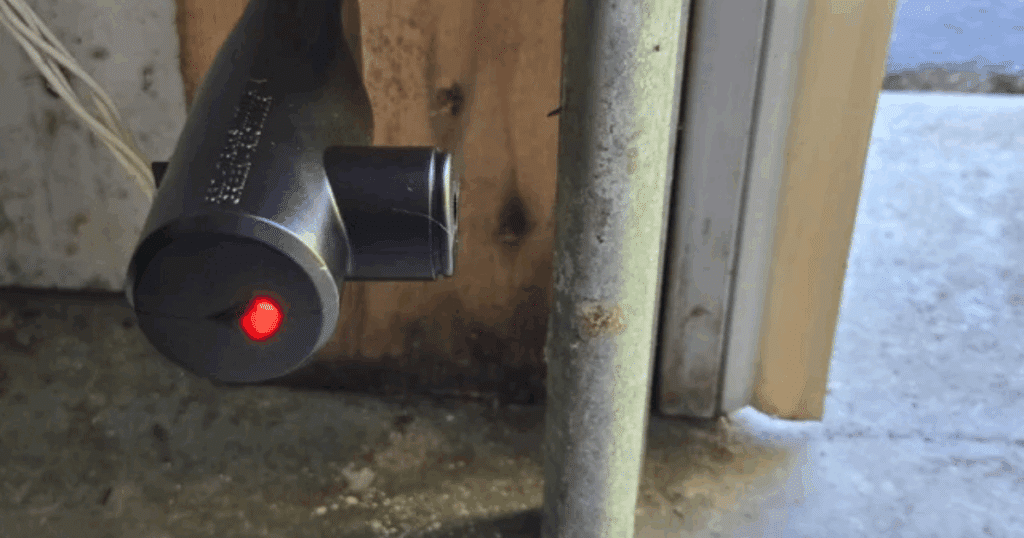
Garage door safety sensors, often called photo-eye sensors, are designed to detect objects or people in the path of the closing door. They work by sending an invisible infrared beam from one side of the door to the other. If the beam is interrupted, the opener reverses or stops the door, preventing injury or damage. This feature is required by law in many regions for automatic garage doors installed after the early 1990s.
When these sensors are properly connected and aligned, they provide a reliable safeguard for families, pets, and vehicles. However, if they become disconnected—either accidentally or intentionally—the safety mechanism is compromised.
Consequences of Disconnecting Garage Door Sensors
Disconnecting the safety sensors on your garage door opener can have several significant effects. Here’s what typically happens:
- Loss of Safety Reversal: The most immediate impact is that the door may no longer automatically reverse if something is in its path. This increases the risk of injury or property damage.
- Manual Operation Only: Many modern openers are programmed to prevent the door from closing with the remote or wall button if the sensors are not functioning. In some cases, you may only be able to operate the door manually.
- Warning Lights or Error Codes: Most openers will display a blinking light or error code if the sensors are disconnected or misaligned. For more on this, see this guide to garage door sensor blinking lights.
- Potential Voiding of Warranty: Tampering with safety features can void the manufacturer’s warranty and may violate local building codes or insurance policies.
Why Sensors Get Disconnected
There are several reasons why garage door sensors may become disconnected, either intentionally or by accident:
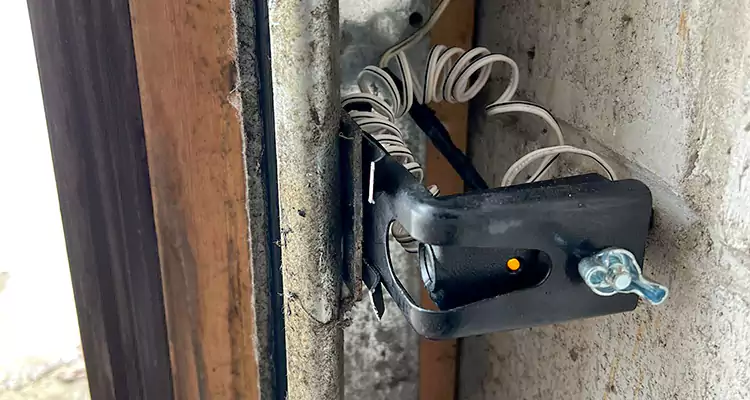
- Wiring Issues: Loose or damaged wires can interrupt the connection. For those troubleshooting wiring, see how to fix garage door sensor wiring using electrical tape.
- Physical Damage: Sensors can be knocked out of alignment or disconnected by vehicles, tools, or children playing in the garage.
- Intentional Bypass: Some homeowners attempt to bypass the sensors to “fix” a malfunctioning door, not realizing the safety risks involved.
- Environmental Factors: Water, dust, or pests can damage sensor components or wiring, leading to disconnection.
How Garage Door Operation Changes Without Sensors
When the safety sensors are not connected, the garage door opener’s behavior depends on the model and manufacturer. Here’s what you might experience:
- Door Won’t Close Automatically: Most openers will refuse to close the door using the remote or wall button if they detect a sensor problem.
- Constant Blinking Lights: The opener or the sensor units themselves may flash continuously to alert you to the issue. If you’re seeing unusual blinking, why is my garage door sensor light blinking twice can help diagnose the cause.
- Manual Override: Some openers allow the door to be closed by holding down the wall button, but this disables the safety reversal feature and should only be used with caution.
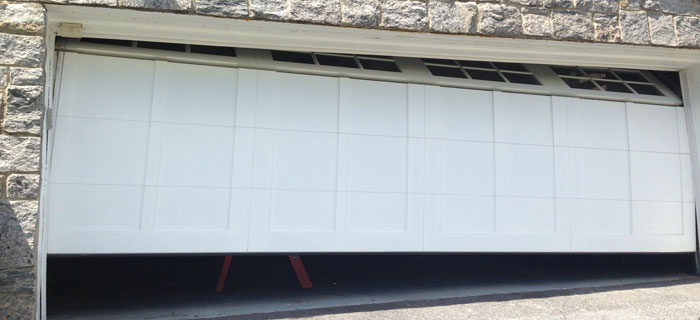
- Unreliable Operation: The door may stop mid-cycle, reverse unexpectedly, or fail to respond to commands.
Risks and Safety Concerns
Disabling or disconnecting garage door sensors introduces several risks:
- Increased Risk of Injury: Without the safety reversal, the door can close on people, pets, or vehicles, causing serious harm or damage.
- Legal and Insurance Issues: Many areas require functional safety sensors by law. Disabling them could result in fines or denied insurance claims if an accident occurs.
- Potential for Further Malfunctions: Bypassing sensors can sometimes cause additional issues with the opener’s logic board or other components.
For those experiencing sensor-related noises, how to fix garage door sensor hum or buzz offers troubleshooting steps that may resolve the issue without compromising safety.
Safe Alternatives to Disconnecting Sensors
If your garage door sensors are causing problems, consider these safer alternatives instead of disconnecting them:
- Clean and Realign: Dust, dirt, or misalignment are common causes of sensor malfunction. Gently clean the lenses and ensure they are facing each other directly.
- Check Wiring: Inspect the wires for damage or loose connections. Simple repairs can often restore proper function.
- Replace Faulty Sensors: If cleaning and realignment don’t help, replacing the sensors is a safer option than bypassing them.
- Consult a Professional: If you’re unsure, a qualified garage door technician can diagnose and fix the problem safely.
When Is It Ever Acceptable to Disconnect Sensors?
There are very few situations where disconnecting garage door sensors is justified. Temporary disconnection may be necessary during certain repairs or troubleshooting steps, but the sensors should always be restored to full working order before regular use. Never operate an automatic garage door long-term without functioning safety sensors.
Common Signs of Sensor Problems
Before disconnecting anything, look for these signs that your sensors may need attention:
- Flashing or blinking sensor lights
- Garage door reverses unexpectedly
- Door won’t close unless you hold the wall button
- Obvious dirt or debris on the sensor lenses
- Visible damage to sensor housings or wires
Addressing these issues promptly can restore safe operation without disabling critical safety features.
FAQ
Can I bypass garage door sensors temporarily?
Some garage door openers allow you to close the door by holding down the wall button, which temporarily overrides the sensors. However, this disables the safety reversal feature and should only be used when you are certain the doorway is clear. Never use this as a permanent solution.
What should I do if my garage door won’t close and the sensors are blinking?
Blinking sensor lights usually indicate misalignment, dirt, or wiring issues. Try cleaning the lenses and realigning the sensors. If the problem persists, check the wiring or consult a professional. For more details, see this guide to garage door sensor blinking lights.
Is it safe to operate a garage door without sensors?
No, operating a garage door without functioning safety sensors is not safe. It increases the risk of injury and property damage and may violate local laws or insurance requirements. Always keep your sensors in working order for maximum safety.