


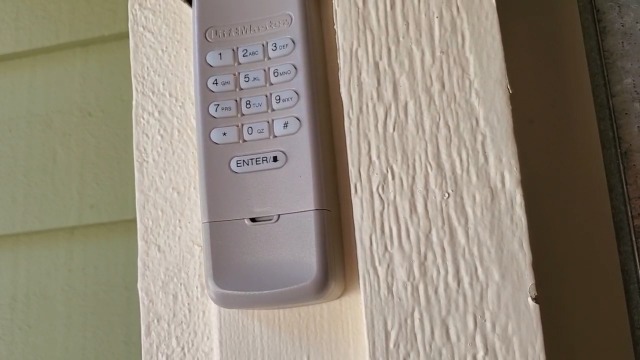
Wired keypads for garage doors are a reliable and convenient way to control access to your garage. However, even the most dependable systems can develop problems over time. Understanding the most common wired garage door keypad issues can help you troubleshoot quickly, maintain security, and avoid unnecessary frustration. This article breaks down typical symptoms, causes, and solutions for problems with wired garage door keypads, so you can get your entry system working smoothly again.
If you’re looking for a deeper dive into how these keypads function, you may find what is a garage door keypad helpful for understanding the basics and benefits of these devices.
Recognizing Common Problems With Wired Garage Door Keypads
Wired keypads are generally durable, but several issues can arise due to age, weather, or wiring faults. Here are some of the most frequently reported symptoms:
- Keypad not responding when buttons are pressed
- Numbers or buttons sticking or failing to register
- Intermittent operation or needing to press buttons multiple times
- Garage door opens but won’t close (or vice versa)
- Backlight or display not working
- Keypad works only in certain weather conditions
If you’re experiencing a garage door keypad not responding, it’s important to diagnose whether the issue is with the keypad itself, the wiring, or the garage door opener.
Top Causes of Wired Garage Door Keypad Malfunctions
Several factors can contribute to wired garage door keypad issues. Understanding these causes can help you pinpoint the problem and decide whether a DIY fix is possible or if professional help is needed.
1. Wiring Problems and Loose Connections
Since wired keypads rely on a physical connection to the garage door opener, any break, fray, or loose connection in the wiring can cause the keypad to stop working. Over time, wires can become damaged due to vibration, pests, or accidental impact.
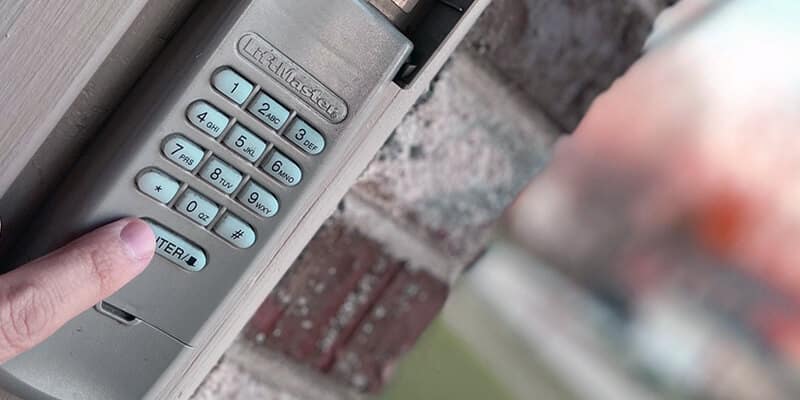
To check for wiring issues:
- Inspect the wire from the keypad to the opener for visible damage.
- Ensure all connections are secure and free from corrosion.
- If possible, test the keypad with a multimeter to verify continuity.
2. Worn Out or Damaged Keypad Buttons
Frequent use can cause the buttons on a wired keypad to wear out, stick, or become unresponsive. Dirt, moisture, and debris can also accumulate, leading to poor contact or stuck keys.
- Clean the keypad gently with a soft, dry cloth.
- Avoid using harsh chemicals or excessive moisture.
- If buttons remain unresponsive, the keypad may need to be replaced.
3. Environmental and Weather-Related Factors
Exposure to rain, snow, direct sunlight, or extreme temperatures can affect the performance of wired keypads. Moisture can seep into the housing, causing corrosion or short circuits, while heat and cold can make plastic components brittle or sticky.
- Check for visible signs of water ingress or sun damage.
- Consider installing a weatherproof cover if your keypad is exposed.
- In severe cases, replacement may be necessary to restore reliable operation.
Diagnosing and Fixing Wired Keypad Problems
Troubleshooting wired garage door keypad issues starts with a systematic approach. Here’s how to proceed:
- Test the Keypad: Try entering your code. If nothing happens, check if the backlight or display turns on.
- Inspect the Wiring: Follow the wire from the keypad to the opener. Look for any visible damage, loose connections, or corrosion.
- Check the Opener: Use the wall button or remote to see if the opener itself is working. If not, the issue may be with the opener, not the keypad.
- Clean the Keypad: Remove dirt and debris from the keypad surface and between the buttons.
- Reset or Reprogram: Some keypads may need to be reset or reprogrammed after a power outage or wiring repair.
If these steps don’t resolve the problem, consult your keypad’s manual or consider professional repair. For more detailed repair guidance, see garage door keypad repair explained.
When to Replace Your Wired Garage Door Keypad
Sometimes, repairing a faulty keypad isn’t practical. If your keypad is old, severely damaged, or incompatible with newer openers, replacement may be the best option. Modern keypads offer improved security, weather resistance, and features like backlit buttons or temporary codes for guests.
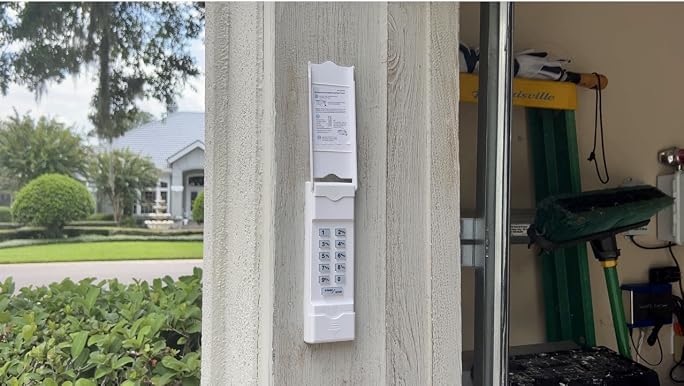
If you’re considering an upgrade, you might want to compare the latest models. For a comprehensive look at the top options, check out this review of the best garage door openers for 2025.
Preventing Future Problems With Wired Keypads
Regular maintenance can help you avoid many common wired garage door keypad issues. Here are some tips to keep your system running smoothly:
- Periodically inspect and clean the keypad and wiring.
- Protect the keypad from direct exposure to harsh weather.
- Test your code and buttons monthly to catch problems early.
- Address any wiring or electrical issues promptly.
- Follow manufacturer recommendations for care and replacement.
For a deeper understanding of how these devices work and why proper maintenance matters, see how garage door keypads work.
FAQ About Wired Garage Door Keypad Troubles
Why does my wired garage door keypad stop working in cold or wet weather?
Moisture and extreme temperatures can affect the internal components of a keypad, causing corrosion or making plastic parts brittle. If your keypad only fails during certain weather conditions, consider installing a weatherproof cover or relocating the device to a more sheltered spot.
Can I repair a damaged wire myself?
If you’re comfortable with basic electrical work, you can often repair or replace a damaged wire. Always disconnect power before working on wiring, and use proper connectors and insulation. If you’re unsure, it’s safer to call a professional.
How do I know if the problem is with the keypad or the garage door opener?
Test the opener with a remote or wall button. If those work but the keypad doesn’t, the issue is likely with the keypad or its wiring. If none of the controls work, the problem may be with the opener itself.
Is it worth upgrading to a new keypad?
If your current keypad is unreliable, outdated, or lacks modern features, upgrading can improve convenience and security. Newer models are often more weather-resistant and easier to use.
Conclusion
Wired keypads are a practical solution for garage access, but they can develop faults over time. By understanding the most common wired garage door keypad issues, their causes, and how to address them, you can keep your garage secure and functional. Regular inspection, prompt repairs, and timely upgrades will help you avoid major disruptions and extend the life of your entry system.
For more information on keypad basics and troubleshooting, see garage door keypad explained.
