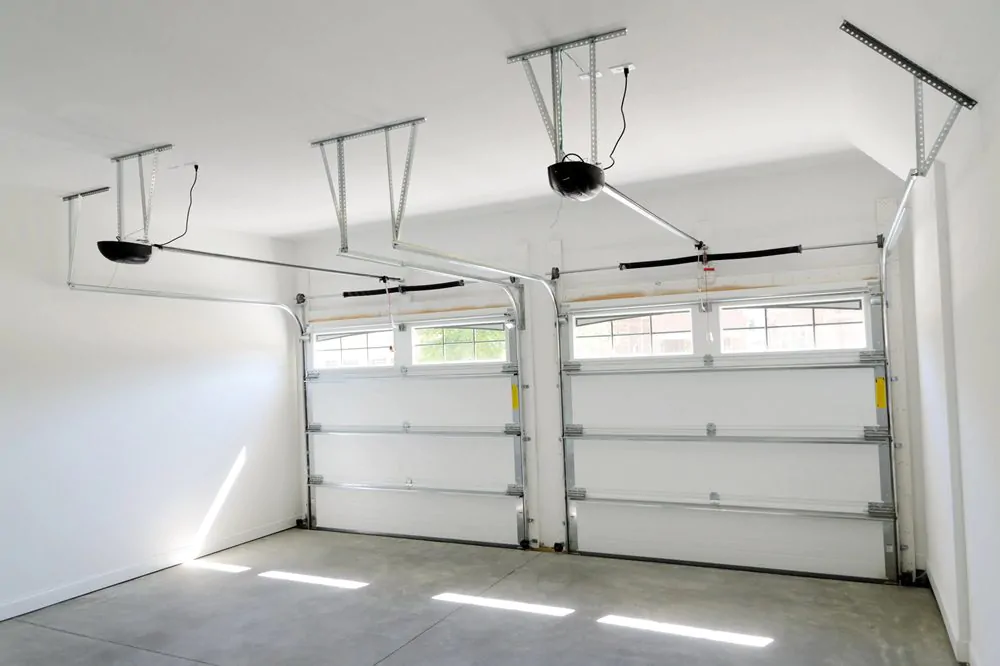
Understanding the differences between manual and automatic operation when a garage door gets stuck halfway is essential for homeowners and property managers. Whether you are troubleshooting a malfunction or considering an upgrade, knowing how each system behaves and what steps to take can help you maintain safety and avoid costly repairs. This article explores the mechanics, causes, and solutions for garage doors that stop mid-cycle, comparing manual and automated systems in detail.
If you are experiencing sensor-related issues, you may also find it helpful to review how to fix garage door sensor mounting on metal studs for additional troubleshooting tips.
Common Reasons a Garage Door Stops Midway
When a garage door halts in the middle of its path, the cause can be mechanical, electrical, or environmental. Both manual and automatic systems are susceptible to similar issues, but the way they respond and the steps needed to resolve them can differ. Here are some frequent causes:
- Obstructions in the track or path of the door
- Broken or worn springs that can’t support the door’s weight
- Misaligned tracks or rollers
- Sensor malfunctions (for automatic systems)
- Power supply interruptions or motor failure (for automatic systems)
- Lack of lubrication causing excessive friction
Identifying the root cause is the first step toward a safe and effective solution, whether you are operating the door by hand or using an opener.
Manual Garage Door Operation When Stuck Halfway
In a manual system, the user physically lifts or lowers the door. If it gets stuck halfway, the problem is usually mechanical. Here’s what typically happens and how to address it:
- Spring Failure: If a spring breaks, the door becomes heavy and difficult to move. Attempting to force it can be dangerous.
- Track Obstruction: Debris or a bent track can halt progress. Carefully inspect both sides for anything blocking the rollers.
- Lack of Lubrication: Dry rollers or hinges can cause the door to seize. Applying a garage door lubricant spray can often resolve minor sticking issues.
Always use caution when handling a stuck manual door. If the door is heavy or unbalanced, it’s best to call a professional for repairs. Attempting to fix broken springs or cables without proper tools and experience can lead to injury.
Automatic Garage Door Opener: Halfway Stops and Troubleshooting
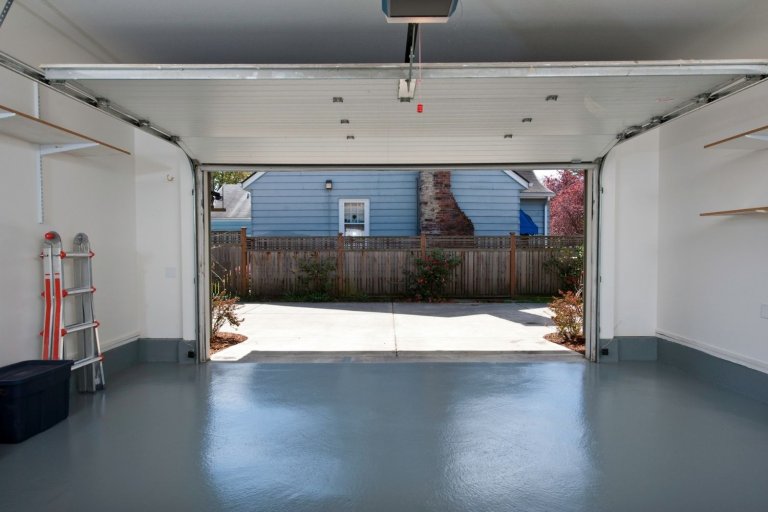
Automated systems rely on an electric motor, sensors, and a control board to move the door. If the door stops midway, the issue could be more complex than with manual systems. Here’s how to approach troubleshooting:
- Safety Sensors: If the sensors detect an obstruction or are misaligned, the opener will halt the door for safety. Clean the lenses and ensure they are facing each other.
- Limit Settings: The opener’s travel limits might be incorrectly set, causing the door to stop before fully opening or closing. Refer to your opener’s manual to adjust these settings.
- Power Issues: Check for tripped breakers, unplugged units, or blown fuses.
- Remote or Wall Switch Failure: If the remote or switch is faulty, the door may not receive the correct signal to continue moving.
- Motor Overheating: Some openers have thermal protection that temporarily disables the motor if it gets too hot.
For step-by-step instructions on programming and troubleshooting, refer to this comprehensive guide to programming a garage door opener.
Comparing Manual and Automatic Garage Door Systems
When evaluating garage door halfway manual vs automatic operation, it’s important to consider the unique characteristics of each system:
| Aspect | Manual Operation | Automatic Operation |
|---|---|---|
| Response to Obstructions | Relies on user awareness; may stop abruptly or jam | Sensors halt movement for safety |
| Ease of Troubleshooting | Generally simpler; fewer components | Requires electrical and sensor checks |
| Safety Features | Depends on user caution | Built-in auto-reverse and stop functions |
| Common Issues | Broken springs, track obstructions | Sensor misalignment, power loss, limit errors |
| Resetting After Stopping | Manual lifting or lowering, may need professional help | Reset via controls, sometimes requires manual release |
How to Safely Switch Between Manual and Automatic Modes
Most modern garage doors with openers include a manual release mechanism, typically a red cord or handle. This allows you to disengage the opener and operate the door by hand in case of a power outage or malfunction. Here’s how to use it safely:
- Ensure the door is fully closed, if possible, before pulling the release cord.
- Pull the cord straight down to disengage the opener.
- Move the door manually. If it is stuck halfway, inspect for visible issues before forcing movement.
- To re-engage automatic operation, align the door with the opener carriage and activate the opener. It should reconnect automatically.
If the door remains stuck or is unbalanced, contact a professional technician. For issues related to sensors, you may also want to review why is my garage door sensor light blinking twice for further guidance.

Preventative Maintenance Tips
Regular maintenance can prevent many issues that cause garage doors to stop halfway. Here are some practical tips:
- Inspect and lubricate rollers, hinges, and tracks every few months.
- Test the balance of your door by disconnecting the opener and lifting the door halfway. It should stay in place; if not, the springs may need adjustment.
- Clean and align safety sensors to ensure reliable automatic operation.
- Check for loose hardware and tighten as needed.
- Replace weatherstripping and worn parts promptly.
For more sensor troubleshooting, see how to fix garage door sensor wiring using electrical tape.
FAQ
Why does my garage door stop halfway and reverse?
This is often caused by misaligned or dirty safety sensors, an obstruction in the door’s path, or incorrectly set travel limits. Automatic openers are designed to reverse if they detect resistance or a blocked sensor beam.
Can I manually open my garage door if the power is out?
Yes, most openers have a manual release cord. Pulling this cord disengages the opener, allowing you to lift or lower the door by hand. Always ensure the door is stable before operating it manually.
What should I do if my garage door is stuck halfway and won’t move?
First, check for visible obstructions or damage. If the door is too heavy or unbalanced, do not force it. For automatic systems, inspect the sensors and power supply. If you cannot resolve the issue safely, contact a professional technician.
How often should I lubricate my garage door?
Lubricate all moving parts, including rollers, hinges, and springs, every six months or as recommended by your manufacturer. Use a product specifically designed for garage doors to ensure optimal performance.