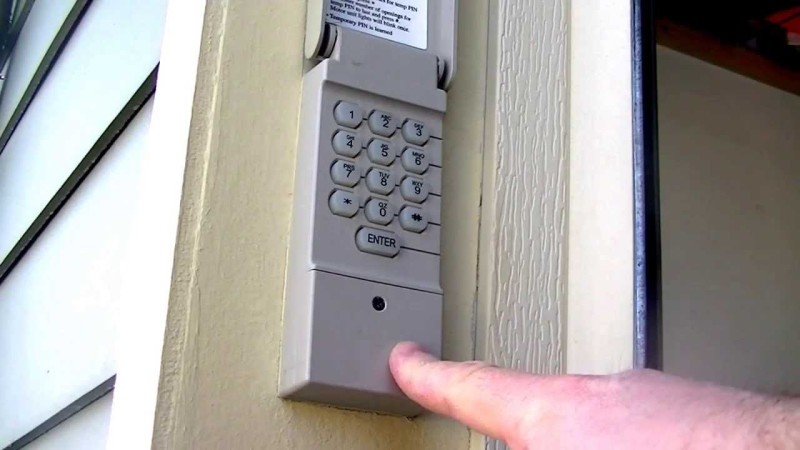
When your garage door keypad stops working, a dead battery is often the culprit. Understanding the correct garage door keypad battery type and ensuring compatibility with your device can save you time and hassle. With so many models and brands on the market, choosing the right replacement battery is essential for reliable operation and long-term performance.
This article covers the most common battery types used in wireless keypads, how to identify the right one for your system, and tips for safe replacement. You’ll also find advice on maximizing battery life and troubleshooting common issues. If you’re also dealing with sensor problems, you may find this guide on how to fix garage door sensor mounting on metal studs helpful.
Understanding Common Garage Door Keypad Battery Types
Most wireless keypads for garage doors use one of a few standard battery types. The most prevalent options include:
- 9V batteries: Widely used in older and some current keypads, these are easy to find and replace.
- AAA or AA batteries: Some newer models, especially from major brands, use one or two standard AAA or AA batteries.
- Coin cell batteries (CR2032, CR2025, etc.): Compact keypads may use lithium coin cells, offering long life in a small package.
Always check your keypad’s battery compartment or the user manual to confirm the required battery type. Using the wrong battery can cause malfunctions or even damage the device.
How to Identify the Correct Battery for Your Keypad
Locating the right garage door keypad battery is straightforward if you follow these steps:
- Check the keypad’s label or manual: Most manufacturers print battery specifications inside the battery compartment or in the product documentation.
- Look for model-specific details: If you have a Chamberlain, LiftMaster, Genie, or another major brand, the battery type is often listed on their website or support pages.
- Compare the old battery: If you’re replacing an existing battery, match the voltage and size to ensure compatibility.
If you’re unsure, consult the manufacturer’s website or contact their support for guidance. For more information on choosing openers and accessories, you can refer to this comprehensive guide to buying garage door openers.
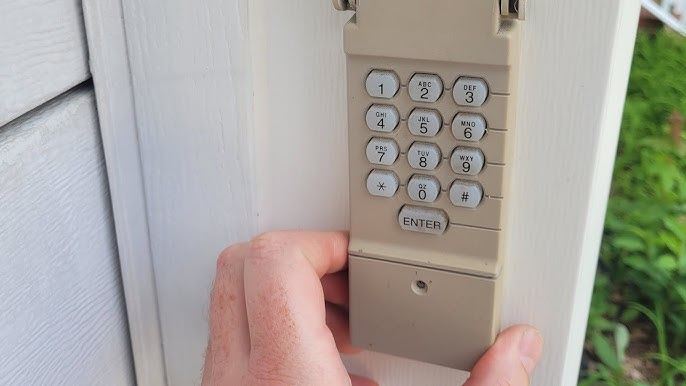
Compatibility Considerations for Garage Door Keypad Batteries
Not all batteries are interchangeable, even if they appear similar. Here are some compatibility tips:
- Voltage matters: Using a battery with the wrong voltage can prevent your keypad from working or even cause permanent damage.
- Size and fit: Coin cell batteries come in various thicknesses and diameters. Always match the exact type (e.g., CR2032 vs. CR2025).
- Brand recommendations: Some manufacturers recommend specific brands or battery chemistries for optimal performance.
- Rechargeable vs. disposable: Most keypads are designed for disposable alkaline or lithium batteries, not rechargeables.
If your keypad is not responding after a battery change, double-check that the battery is installed with the correct polarity and that the contacts are clean.
Step-by-Step: Replacing Your Garage Door Keypad Battery
Swapping out your keypad’s battery is usually a quick process. Here’s how to do it safely:
- Open the battery compartment: Most keypads have a sliding or hinged cover. Some may require a screwdriver.
- Remove the old battery: Carefully take out the old battery, noting its orientation.
- Clean the contacts: If there’s any corrosion or dirt, gently clean the contacts with a dry cloth.
- Insert the new battery: Place the new battery in the same orientation as the old one.
- Close the compartment and test: Secure the cover and test the keypad to ensure it’s working.
Dispose of old batteries properly, following local recycling guidelines.
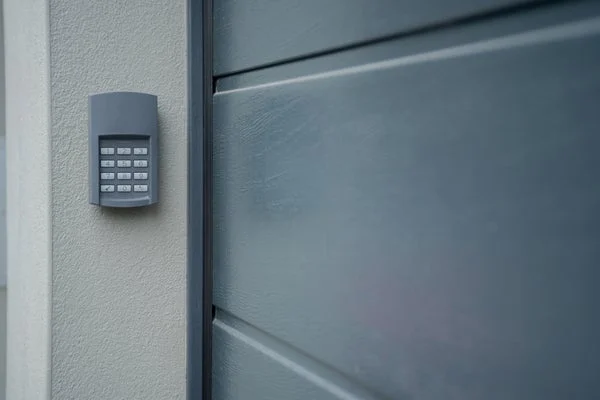
Tips for Maximizing Battery Life in Garage Keypads
To get the most out of your keypad batteries, consider these practical tips:
- Use fresh, high-quality batteries: Cheap or expired batteries may have reduced capacity or leak.
- Avoid extreme temperatures: Batteries drain faster in very hot or cold environments. If your keypad is exposed to weather, check it more frequently.
- Limit unnecessary use: Press keys only when needed and avoid holding buttons down for extended periods.
- Check for firmware updates: Some modern keypads allow updates that can improve battery efficiency.
If you notice your keypad battery draining unusually fast, it could indicate a wiring or sensor issue. For related troubleshooting, see our article on why is my garage door sensor transmitter dead.
When to Replace the Entire Keypad
Sometimes, replacing the battery does not restore function. Signs you may need a new keypad include:
- The keypad remains unresponsive after installing a fresh battery.
- Visible corrosion or damage inside the battery compartment.
- Buttons are stuck or no longer register presses.
- The device is over 10 years old and has become unreliable.
In these cases, purchasing a new wireless keypad may be the best solution. Always check compatibility with your garage door opener before buying a replacement.
Frequently Asked Questions
What is the most common battery type for garage door keypads?
The most common types are 9V batteries, AA/AAA batteries, and coin cell batteries like CR2032. The exact type depends on your keypad’s make and model.
How often should I replace my keypad battery?
Most batteries last 1–2 years in typical use. If your keypad is exposed to extreme temperatures or used frequently, you may need to replace the battery more often.
Can I use rechargeable batteries in my garage keypad?
Most manufacturers recommend standard alkaline or lithium batteries. Rechargeable batteries may have lower voltage or different discharge characteristics, which can cause issues.
Why does my keypad still not work after changing the battery?
Double-check that the battery is installed correctly and the contacts are clean. If problems persist, the keypad itself may be faulty or there could be an issue with your garage door opener system.
For more troubleshooting tips on garage door systems, you may also want to read about how to fix garage door sensor wiring using electrical tape or why is my garage door sensor light blinking twice.