When it comes to the safe and reliable operation of your garage door, the strength and lifespan of the cables are critical. These cables bear the weight of the door and endure repeated cycles of tension and release. Understanding garage door cable durability helps homeowners make informed choices about maintenance, replacement, and upgrades. This article explores the materials, construction, and care practices that contribute to long-lasting cables, ensuring your garage door remains dependable for years.
For those interested in troubleshooting or preventing issues, you may find practical advice in our garage door cable common problems guide, which covers quick fixes and solutions for frequent cable concerns.
What Impacts the Lifespan of Garage Door Cables?
The longevity of your garage door cables depends on several factors, including the type of material used, the quality of manufacturing, environmental conditions, and how well the cables are maintained. Frequent use, exposure to moisture or corrosive chemicals, and lack of regular inspection can all shorten cable lifespan. Choosing the right cable material and construction from the start is the first step toward maximizing garage door cable durability.
Materials That Enhance Cable Longevity
Not all cables are created equal. The material composition plays a significant role in determining how long your garage door cables will last. Here are the most common materials used and their characteristics:
- Galvanized Steel: This is the most widely used material for garage door cables. Galvanized steel is coated with a layer of zinc, which provides resistance to rust and corrosion. It offers a good balance between strength and affordability, making it a popular choice for residential garage doors.
- Stainless Steel: For environments with high humidity or exposure to salt (such as coastal areas), stainless steel cables are preferred. They offer superior resistance to corrosion and can last significantly longer than galvanized options, though they come at a higher price point.
- Coated Cables: Some cables are coated with vinyl or nylon for added protection. These coatings help shield the steel from moisture and reduce friction, which can extend the cable’s life and minimize noise during operation.
How Construction Affects Garage Door Cable Durability
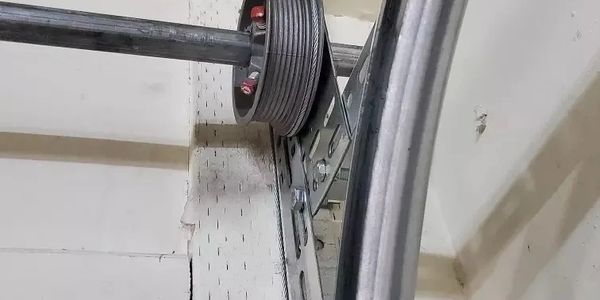
Beyond material, the way a cable is constructed also determines its performance and service life. Most garage door cables are made from multiple strands of steel wire twisted together. This design provides flexibility and strength. The number of strands and wires per strand can vary; more strands generally mean a more flexible cable, while fewer, thicker strands may offer greater strength but less flexibility.
For example, a 7×7 cable (seven strands with seven wires each) is common for residential doors, offering a good mix of strength and flexibility. For heavier doors or commercial applications, a 7×19 construction (seven strands of nineteen wires each) may be used for increased durability and flexibility.
Signs Your Garage Door Cables Need Attention
Even the most durable cables will eventually show signs of wear. Recognizing these early can prevent sudden failures and costly repairs. Look for these indicators:
- Visible fraying or broken strands
- Rust or corrosion on the cable surface
- Kinks, bends, or flattening of the cable
- Unusual noises during door operation
- Slack or uneven tension in the cables
If you notice any of these issues, it’s wise to consult a professional or refer to a garage door cable replacement checklist to determine your next steps.
Maintenance Tips for Extending Cable Service Life
Proper care can significantly boost the lifespan of your garage door cables. Here are some practical tips to help you get the most out of your investment:
- Regular Inspections: Check cables for signs of wear, rust, or fraying at least twice a year. Early detection can prevent sudden failures.
- Lubrication: Apply a light, non-corrosive lubricant to the cables and other moving parts. This reduces friction and helps prevent rust.
- Keep Cables Clean: Dirt and debris can accelerate wear. Wipe cables gently with a dry cloth to remove buildup.
- Address Moisture: If your garage is prone to dampness, consider using a dehumidifier or improving ventilation to limit corrosion.
- Professional Servicing: Have a qualified technician inspect and service your garage door system annually. They can spot issues you might miss and ensure all components are in optimal condition.
Choosing the Right Cable for Your Garage Door
Selecting the appropriate cable type is essential for both safety and performance. Consider these factors:
- Door Weight and Size: Heavier or oversized doors require thicker, stronger cables, often with a higher strand count.
- Environmental Conditions: For garages exposed to moisture, salt, or chemicals, stainless steel or coated cables are recommended.
- Usage Frequency: High-traffic garages benefit from premium materials and robust construction to withstand frequent cycles.
- Compatibility: Ensure the cable matches your door’s spring system—torsion or extension. Using the wrong type can compromise safety and efficiency.
For a technical overview of cable types and their specifications, the garage door cable professional guide offers detailed insights for homeowners and installers alike.
Why Material Quality Matters for Garage Door Cable Durability
Investing in high-quality cables pays off in the long run. Premium materials resist corrosion, withstand repeated stress, and are less likely to snap or fray unexpectedly. While the initial cost may be higher, the reduced risk of sudden failure and the longer replacement intervals make it a smart choice for any homeowner.
For a deeper dive into the function and importance of these components, learn more about what garage door cables do and how they contribute to the overall safety and efficiency of your system.
Preventing Common Cable Problems
Prevention is always better than repair. Alongside regular maintenance, following a few simple strategies can help you avoid the most frequent cable issues:
- Do not overload your garage door with added weight or modifications.
- Ensure the door tracks are clean and free of obstructions.
- Address any misalignment or imbalance promptly—these can put extra strain on cables.
- Replace both cables at the same time, even if only one appears worn, to maintain balanced operation.
For more proactive advice, our garage door cable prevention tips article offers strategies to stop costly breakdowns before they start.
FAQ
How often should garage door cables be replaced?
Most residential garage door cables last between 7 to 15 years, depending on material quality, usage frequency, and maintenance. If you notice visible wear, rust, or fraying, replacement should be done immediately to avoid safety risks.
Can I replace garage door cables myself?
While some experienced DIYers attempt cable replacement, it’s generally safer to hire a professional. Garage door cables are under significant tension, and improper handling can lead to injury or property damage.
What’s the difference between torsion and extension cables?
Torsion cables are used with torsion spring systems and are typically thicker and shorter. Extension cables are designed for extension spring systems and may differ in length and construction. Always use cables specified for your door’s spring type to ensure proper function and safety.
Does lubrication help extend cable life?
Yes, applying a light lubricant helps reduce friction and prevents rust, both of which can extend the service life of your cables. Avoid heavy or sticky lubricants that attract dust and debris.
Are coated cables better than uncoated ones?
Coated cables offer extra protection against moisture and abrasion, making them ideal for humid or corrosive environments. However, high-quality galvanized or stainless steel cables can also provide excellent durability when maintained properly.