Rust on garage door cables is a common problem that can compromise both the safety and functionality of your garage door system. Over time, exposure to moisture, fluctuating temperatures, and lack of maintenance can cause cables to corrode, fray, or even snap. Understanding the causes, risks, and safe removal methods is essential for homeowners who want to maintain a reliable and secure garage entry.
In this guide, we’ll provide a thorough overview of how rust develops on garage door cables, the warning signs to look for, and the safest ways to address and remove corroded cables. We’ll also highlight preventative measures and link to additional resources, such as this guide on garage door cable common problems, to help you keep your garage door operating smoothly.
How Rust Forms on Garage Door Cables
Garage door cables are typically made from galvanized steel, which offers some resistance to corrosion. However, constant exposure to humidity, rain, and temperature changes can wear down this protective layer. When the zinc coating deteriorates, the underlying steel is left vulnerable to oxidation, leading to rust formation.
Other contributing factors include:
- Poor ventilation in the garage, trapping moisture around the cables.
- Road salt tracked in during winter, accelerating corrosion.
- Lack of regular maintenance such as lubrication and inspection.
Rust weakens the cable’s structure, making it more likely to fray or snap under tension. This can result in sudden garage door failure, posing a risk to vehicles, property, and personal safety.
Signs of Corroded Garage Door Cables
Recognizing the early symptoms of cable deterioration is crucial for preventing accidents. Here are some warning signs to watch for:
- Visible reddish-brown discoloration or flaking on the cable surface.
- Frayed wires or strands separating from the main cable.
- Unusual noises, such as grinding or squeaking, when the door moves.
- Slack or uneven tension in the cables, causing the door to open or close unevenly.
If you notice any of these issues, it’s important to address them promptly. For a more comprehensive overview of cable symptoms and troubleshooting, see this garage door cable beginner guide.
Risks Associated with Rusty Garage Door Cables
Operating a garage door with corroded cables can be dangerous. The main risks include:
- Sudden cable failure, which may cause the door to fall unexpectedly.
- Damage to the garage door opener and other hardware due to uneven movement.
- Injury to people or pets if the door collapses or a cable snaps under tension.
Homeowners should never ignore signs of corrosion. Even minor rust can quickly escalate, especially in humid or coastal environments.
Safe Methods for Removing Rusty Garage Door Cables
Removing corroded cables is a task that requires caution. Garage door cables are under significant tension, and improper handling can cause serious injury. If you are not experienced with garage door repairs, it’s best to hire a professional. However, if you choose to proceed, follow these safety steps:
- Disconnect the power to the garage door opener to prevent accidental activation.
- Release the tension on the springs. For torsion spring systems, this involves carefully unwinding the springs with winding bars. For extension springs, open the door fully and secure it with clamps.
- Wear protective gear, including gloves and safety glasses, to protect against sharp wires and sudden movements.
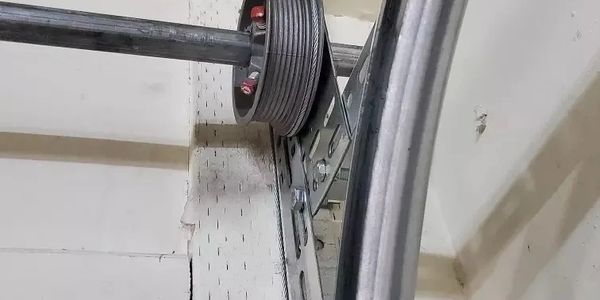
- Remove the old cable by loosening the set screws or fasteners at both ends. Carefully slide the cable out of the drum or pulley system.
- Inspect related hardware for rust or wear. Replace pulleys, drums, or brackets if needed.
- Install the new cable, ensuring it is routed correctly and tensioned according to manufacturer specifications.
- Test the door manually before reconnecting the opener to ensure smooth and balanced operation.
For a detailed explanation of cable functions and safe handling, refer to this resource on garage door cable roles and safety.
Preventing Future Rust and Cable Damage
Once you’ve replaced corroded cables, taking proactive steps can help extend the lifespan of your new components:
- Lubricate cables and moving parts with a silicone-based spray every few months.
- Keep the garage dry by improving ventilation and sealing leaks.
- Inspect cables regularly for early signs of corrosion or wear.
- Clean up road salt and debris from the garage floor, especially in winter.
For more tips on avoiding costly repairs, see this guide on garage door cable prevention tips.
When to Call a Professional for Cable Replacement
While some homeowners are comfortable handling minor garage door repairs, cable replacement involves significant risks due to the tension in the system. If you are unsure about any step, or if your garage door uses a complex spring mechanism, it’s safest to hire a qualified technician.
Professionals have the tools and experience to remove and replace cables without endangering themselves or damaging your door. They can also inspect the entire system for hidden issues, ensuring long-term reliability.
For more on maintaining your system safely, check out this garage door cable homeowner guide.
Frequently Asked Questions
How often should I inspect my garage door cables for rust?
It’s recommended to visually inspect your cables every three to six months. Look for signs of discoloration, fraying, or stiffness. Early detection can prevent sudden failures and costly repairs.
Can I remove rust from cables instead of replacing them?
Minor surface rust can sometimes be cleaned with a wire brush and lubricant, but if the cable shows significant corrosion or fraying, replacement is the safest option. Rust weakens the cable’s integrity, increasing the risk of breakage.
What type of lubricant should I use on garage door cables?
A silicone-based or garage door-specific spray lubricant is best. Avoid heavy oils or greases, as they can attract dirt and accelerate wear. Apply a light coat to the cables and moving parts every few months.
Are all garage door cables the same?
No, there are different types of cables for torsion and extension spring systems. Always use the correct replacement cable for your specific door model and spring type.
Conclusion
Addressing rust on garage door cables is vital for maintaining a safe and functional garage entry. By understanding the causes, recognizing the warning signs, and following safe removal practices, you can prevent accidents and extend the life of your garage door system. For further reading on technical specifications and advanced maintenance, you may find this garage door cable professional guide helpful.
Regular inspection, timely replacement, and proactive maintenance are the keys to avoiding unexpected breakdowns and ensuring your garage door operates smoothly for years to come.