Keeping your garage door operating safely and smoothly depends on regular attention to its key components. Among these, the cables play a crucial role in supporting the door’s weight and ensuring balanced movement. Understanding the right garage door cable inspection frequency can help prevent unexpected failures, costly repairs, and potential safety hazards. This article outlines how often you should check your cables, what to look for during an inspection, and why a proactive approach matters for every homeowner.
If you’re new to garage door maintenance, you may find it helpful to review this garage door cable beginner guide before diving into inspection routines. Early awareness and regular checks can extend the life of your system and keep your household safe.
Why Garage Door Cable Checks Are Essential
Garage door cables are under constant tension and bear significant loads every time you open or close the door. Over time, these cables can fray, stretch, or corrode, increasing the risk of sudden breakage. A snapped cable can cause the door to fall unexpectedly, posing a serious safety risk and potentially damaging your property.
Regularly inspecting your cables helps you spot early signs of wear and tear, allowing for timely repairs or replacements. This preventive approach not only protects your family but also saves money by avoiding emergency service calls and major breakdowns.
Recommended Frequency for Garage Door Cable Inspections
The ideal garage door cable inspection frequency depends on several factors, including usage patterns, climate, and the age of your door system. However, most experts recommend a basic visual inspection at least every three to six months for residential garage doors. For doors that see heavy use—such as those in multi-car households or commercial settings—monthly checks are advisable.
- Light use (1–2 cycles per day): Inspect cables every 6 months.
- Moderate use (3–5 cycles per day): Inspect cables every 3–4 months.
- Heavy use (6+ cycles per day or commercial): Inspect cables monthly.
Additionally, always perform a cable check after any major weather event (such as storms or extreme temperature swings) and whenever you notice unusual noises, jerky movement, or visible sagging in the door.
What to Look for During a Cable Inspection
A thorough inspection involves more than a quick glance. Here’s what you should check each time:
- Fraying or broken strands: Look for visible wire breaks or unraveling along the cable’s length.
- Rust or corrosion: Check for discoloration, pitting, or rough spots, especially near the bottom where moisture collects.
- Looseness or slack: The cable should be taut when the door is closed. Any slack may indicate a problem with tension or attachment points.
- Kinks or bends: Sharp bends or kinks can weaken the cable and lead to failure.
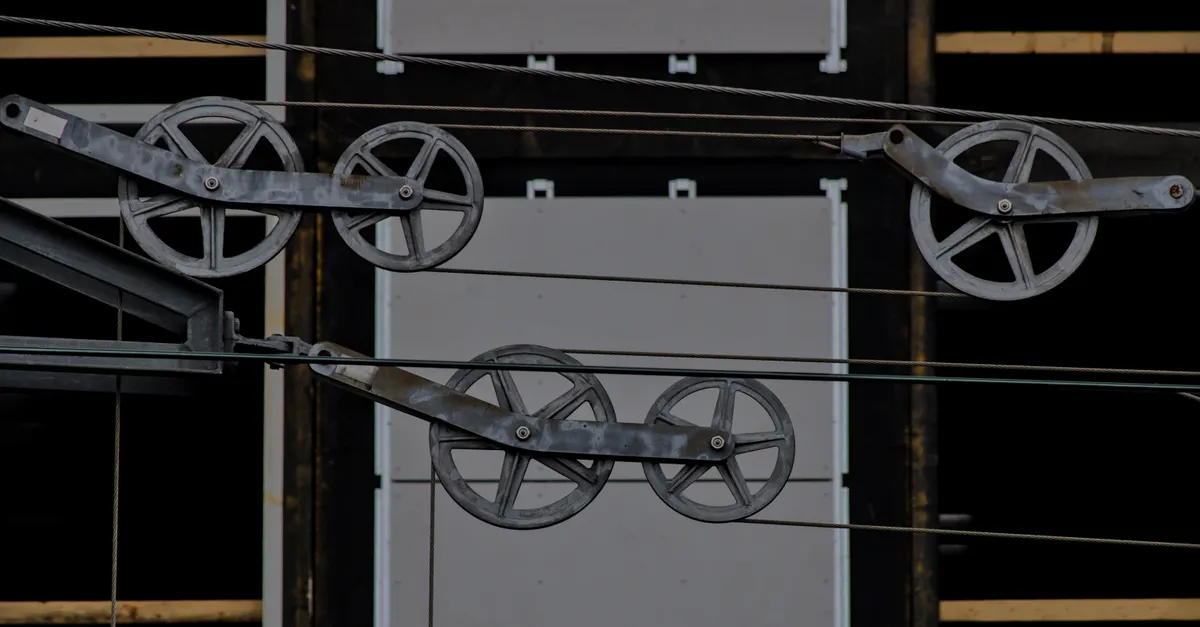
- Attachment hardware: Inspect the drums, pulleys, and fasteners for wear or damage.
If you notice any of these issues, it’s best to stop using the door and arrange for a professional repair. Attempting to fix or replace cables under tension can be dangerous without proper tools and training.
For more details on common cable issues and troubleshooting, see this guide on garage door cable common problems.
Factors That Affect Inspection Intervals
While the general guidelines above work for most homes, several factors can influence how often you should check your cables:
- Climate: Humid or coastal environments accelerate rust and corrosion, requiring more frequent checks.
- Door age: Older systems are more prone to cable fatigue and should be inspected more often.
- Usage intensity: Frequent operation increases wear on all moving parts, especially cables.
- Previous repairs: If your cables have been replaced or repaired before, monitor them closely for early signs of failure.
Adjust your inspection schedule based on these factors, and always err on the side of caution if you’re unsure.
DIY vs. Professional Cable Checks
While visual inspections can be done by most homeowners, any adjustments, replacements, or repairs involving the cables should be left to trained professionals. Garage door cables are under high tension, and improper handling can result in serious injury.
If you’re unsure about your findings or notice anything unusual, schedule a professional service call. Annual maintenance by a technician is also recommended, even if you perform regular visual checks yourself.
For those interested in learning more about the technical aspects of cable systems, the garage door cable professional guide offers deeper insights into specifications and advanced troubleshooting.
Tips for Extending Cable Life
In addition to following a consistent inspection schedule, you can help your cables last longer by:
- Keeping the area around the cables clean and free of debris.
- Applying a light lubricant to prevent rust (use only products recommended for garage doors).
- Ensuring the door is properly balanced to reduce strain on the cables.
- Addressing any door misalignment or hardware issues promptly.
For further advice on preventing cable failures, check out these garage door cable prevention tips.
How Cables Work in Your Garage Door System
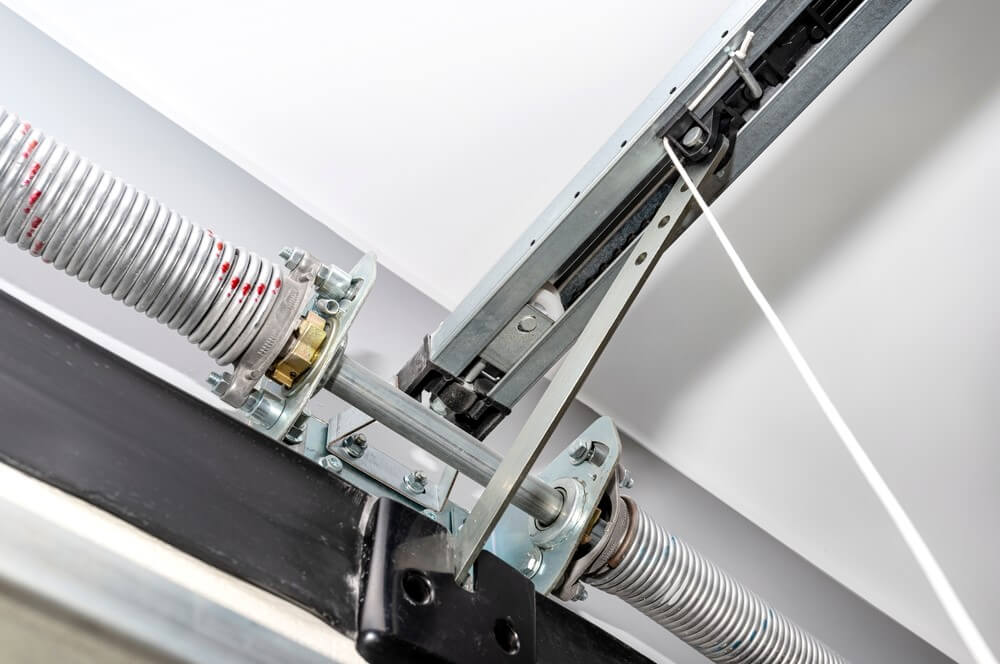
Garage door cables work in tandem with springs and pulleys to lift and lower the door smoothly. They transfer the force generated by the springs to the door, making manual or automatic operation possible. If you’re interested in the mechanics behind these components, this detailed explanation of garage door cable function covers the basics and provides helpful diagrams.
Understanding how these parts interact can help you recognize when something is off and take action before a minor issue turns into a major repair.
Frequently Asked Questions
How can I tell if my garage door cables need immediate replacement?
If you see frayed wires, broken strands, significant rust, or notice the cable is loose or hanging, stop using the door and arrange for professional service. Any visible damage means the cable could fail at any time.
Is it safe to replace garage door cables myself?
Replacing cables is not recommended as a DIY project. The cables are under high tension and can cause serious injury if handled incorrectly. Always hire a qualified technician for cable repairs or replacements.
What happens if I ignore regular cable inspections?
Neglecting inspections increases the risk of sudden cable failure, which can cause the door to drop unexpectedly. This can lead to property damage, personal injury, and more expensive repairs down the line.
Conclusion
Establishing a regular routine for checking your garage door cables is a simple but vital part of home maintenance. By following the recommended garage door cable inspection frequency and knowing what to look for, you can catch problems early, extend the lifespan of your system, and keep your family safe. Remember, when in doubt, consult a professional and never attempt repairs involving high-tension components on your own.
For more information on optimizing your garage door’s performance, see this resource on garage door cable efficiency.