Understanding garage door cable load capacity is essential for homeowners, installers, and anyone responsible for garage door maintenance. The cables are a critical safety component, responsible for lifting and lowering the heavy door panels smoothly and securely. Choosing the right cable with the correct weight rating prevents premature wear, cable snapping, and potential accidents. This article provides a clear breakdown of cable load ratings, what influences them, and how to ensure your garage door system remains safe and reliable.
Whether you are replacing worn cables, upgrading your door, or simply want to know more about the mechanics behind your garage door’s operation, this guide covers the essentials. For those troubleshooting cable issues, you may also find practical advice in our garage door cable common problems resource.
What Determines Garage Door Cable Load Ratings?
The load rating of a garage door cable refers to the maximum weight the cable can safely support during operation. Several factors influence this rating, including:
- Cable diameter: Thicker cables generally support higher loads.
- Material strength: Most cables are made from galvanized or stainless steel, each with different tensile strengths.
- Strand count and construction: More strands or specific weaving patterns can improve flexibility and strength.
- End fittings: The quality and type of loops, stops, or fasteners at the cable ends affect overall safety.
It’s important to match the cable’s load capacity to the weight of your garage door. Using a cable with a lower rating than required can lead to dangerous failures, while over-specifying may not provide additional benefits but could increase costs.
Common Cable Types and Their Weight Capacities
Garage doors typically use one of two main cable types: torsion spring cables and extension spring cables. Each type is designed for a specific spring system and has its own load requirements.
- Torsion spring cables: These are used on doors with a torsion bar mounted above the opening. They are generally thicker and built to handle heavier loads, often ranging from 7×7 to 7×19 strand construction, with diameters between 1/8″ and 3/16″. Their load ratings can span from 800 lbs to over 2,000 lbs depending on the door size and material.
- Extension spring cables: Found on lighter doors or older systems, these cables are usually thinner (1/8″ or less) and have lower load ratings, typically between 500 lbs and 1,200 lbs.
Always check your garage door manufacturer’s recommendations or consult a professional to determine the correct cable size and rating for your specific door.
How to Identify the Right Cable for Your Garage Door
Choosing the correct cable is not just about matching the diameter or length. Here’s what you should consider:
- Weigh your garage door: If possible, determine the actual weight of your door. This information is often available in the door’s manual or from the manufacturer.
- Check the spring system: Identify whether your door uses torsion or extension springs, as this will dictate the cable type.
- Review manufacturer specs: Always use cables that meet or exceed the original equipment specifications.
- Inspect for wear: If your current cables show signs of fraying, rust, or kinks, replace them with new cables of the same or higher load rating.
For a complete step-by-step on replacing cables, refer to our garage door cable replacement checklist.
Why Garage Door Cable Load Capacity Matters for Safety
The load capacity of garage door cables is directly tied to the safety of your garage door system. If cables are underrated or damaged, the risk of sudden failure increases. This can cause the door to drop unexpectedly, leading to property damage or injury.
Regular inspection is crucial. Look for visible signs of wear, such as broken strands, corrosion, or loose fittings. If you notice any issues, stop using the door and arrange for repairs immediately. For more on preventing breakdowns, see our garage door cable prevention tips.
It’s also important to understand that cables work in tandem with springs and pulleys. If any component is mismatched or worn, it can compromise the entire system’s performance and safety.

Signs Your Garage Door Cables Need Attention
Recognizing early warning signs can help you avoid costly repairs and keep your garage door operating smoothly. Watch for:
- Fraying or broken cable strands
- Visible rust or corrosion
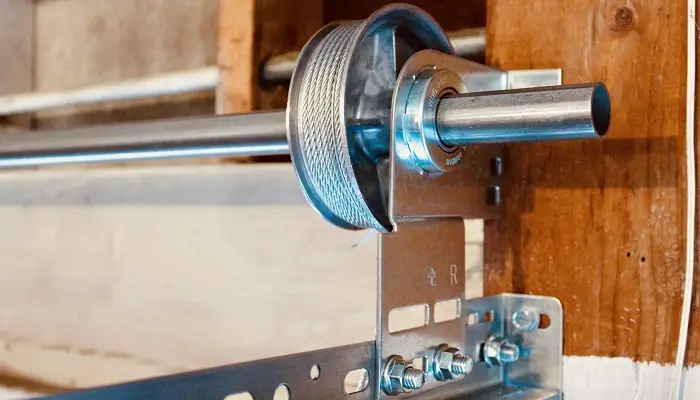
- Cables slipping off the drum or pulley
- Uneven door movement or sagging
- Loud snapping or grinding noises during operation
If you notice any of these issues, it’s best to stop using the door and consult a professional. You can also learn more about efficiency and smooth operation in our garage door cable efficiency guide.
For those interested in DIY repairs, there are detailed instructions available online, such as this step-by-step guide to fixing a garage door cable. However, always prioritize safety and consider professional help for complex repairs.
Choosing Quality Cables: What to Look For
When selecting replacement cables, prioritize quality and compatibility. Here are a few tips:
- Choose galvanized or stainless steel for corrosion resistance.
- Ensure the cable diameter and length match your door’s requirements.
- Look for cables with securely attached end fittings.
- Purchase from reputable suppliers or brands known for safety and reliability.
Professional installers can also provide guidance based on your specific garage door system. For technical specifications and advanced tips, see our garage door cable professional guide.
Frequently Asked Questions
How do I know what load rating my garage door cable needs?
The required load rating depends on your garage door’s weight and spring system. Check your door’s manual or consult the manufacturer for specifications. If in doubt, a professional installer can help determine the correct cable size and rating.
Can I use a cable with a higher load rating than recommended?
Using a cable with a higher load capacity is generally safe, but it must still be compatible with your door’s pulleys and drums. Oversized cables may not fit correctly and could cause operational issues.
How often should garage door cables be replaced?
There’s no set timeline, but cables should be inspected at least once a year. Replace them immediately if you notice fraying, rust, or any signs of damage. Preventive maintenance helps avoid sudden failures and extends the life of your entire garage door system.
Are there different load ratings for residential and commercial garage doors?
Yes. Commercial doors are typically heavier and require cables with higher load capacities. Always use cables rated for your specific application to ensure safety and performance.