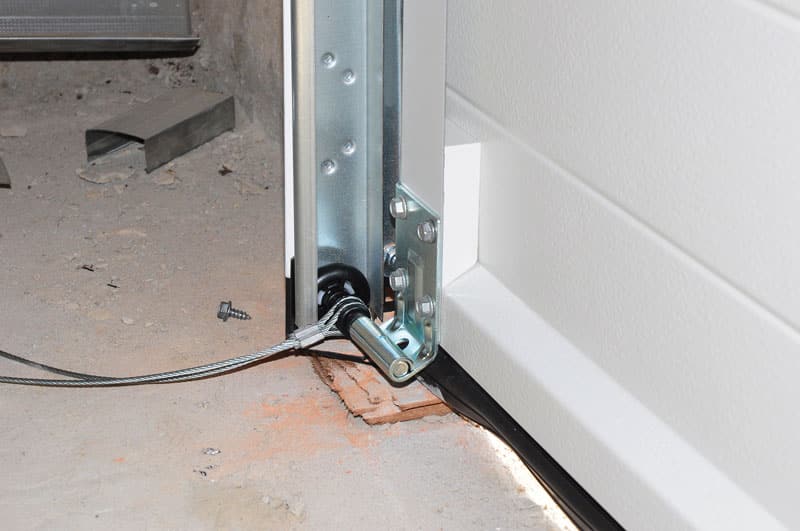
Maintaining a smooth and reliable garage door operation depends heavily on the condition and performance of its cables. Over time, these essential components can wear out, fray, or lose tension, leading to noisy operation, uneven lifting, or even sudden failure. Prioritizing garage door cable performance optimization not only extends the lifespan of your door system but also ensures safety and convenience for your household.
This guide covers practical steps to fine-tune your garage door cables, recognize early warning signs, and implement preventive measures. Whether you’re a homeowner looking to handle basic upkeep or want to understand when to call a professional, you’ll find actionable advice here. For those interested in troubleshooting common issues, the garage door cable common problems resource offers quick fixes and solutions.
Understanding the Role of Garage Door Cables
Garage door cables are responsible for lifting and lowering the door smoothly and safely. They work in tandem with springs and pulleys to balance the heavy weight of the door. When these cables are in optimal condition, the door operates quietly and efficiently. However, even minor cable issues can cause operational problems or pose safety hazards.
For a more technical breakdown of how these cables function within the overall system, visit this detailed explanation of garage door cable mechanics.
Signs Your Garage Door Cables Need Attention
Recognizing early symptoms of cable wear or malfunction is crucial for timely intervention. Here are some common indicators that your cables may require maintenance or replacement:
- Fraying or visible damage: Inspect the cables for broken strands or rust.
- Uneven door movement: If the door lifts unevenly or gets stuck, cable tension may be off.
- Loud noises: Squeaking or grinding sounds can signal friction or misalignment.
- Slack cables: Cables should remain taut when the door is closed. Excess slack is a warning sign.
If you notice any of these issues, it’s best to address them promptly to avoid more extensive repairs or safety risks.
Essential Steps for Garage Door Cable Performance Optimization
Routine tune-ups can significantly improve the reliability and lifespan of your garage door cables. Here’s a step-by-step approach to keeping your cables in top condition:
- Visual Inspection: Regularly check cables for fraying, rust, or kinks. Pay close attention to both ends where cables attach to the drum and bracket.
- Lubrication: Use a silicone-based lubricant on the cables and pulleys to reduce friction and prevent corrosion. Avoid using heavy oils that attract dust.
- Tension Adjustment: Proper tension ensures smooth operation. If the door feels heavy or uneven, the cables may need tightening or loosening. This step often requires professional tools and expertise, so consider hiring a technician for adjustments.
- Cleaning: Remove debris and dust from the cable path and drum area. Clean cables last after all other maintenance tasks.
- Replacement: If you spot significant wear, replace cables immediately. Never operate a door with damaged cables, as this can lead to sudden failure.
Best Practices for Ongoing Cable Maintenance
Consistent care is the key to maximizing the performance of your garage door cables. Here are some best practices to follow:
- Schedule semi-annual inspections: Check cables at least twice a year, ideally before seasonal changes.
- Keep the area dry: Moisture accelerates rust and corrosion. Ensure your garage is well-ventilated and address leaks promptly.
- Test the door balance: Disconnect the opener and manually lift the door halfway. If it stays in place, the cables and springs are balanced. If not, further adjustment is needed.
- Replace in pairs: If one cable fails, replace both to maintain even tension and performance.
For more advanced maintenance strategies, consider reviewing the garage door cable professional guide for technical tips and specifications.
Upgrading for Enhanced Garage Door Cable Efficiency
Modern cable systems offer improvements in durability and efficiency. Upgrading to galvanized or coated cables can reduce maintenance needs and improve overall performance. Additionally, consider upgrading pulleys and drums if they show signs of wear, as these parts work closely with the cables.
For those interested in maximizing the smoothness and reliability of their door system, the garage door cable efficiency resource provides insights on achieving effortless lifting and operation.
Preventive Measures to Avoid Costly Breakdowns
Prevention is always better than cure when it comes to garage door cable issues. Implementing a proactive maintenance routine helps you avoid unexpected failures and expensive repairs. Here are some preventive tips:
- Inspect after storms or heavy use: Severe weather and frequent operation can accelerate wear.
- Listen for changes: New noises or jerky movements often signal developing problems.
- Educate household members: Teach everyone to recognize early warning signs and avoid forcing the door if it resists movement.
For more ways to prevent breakdowns, check out these garage door cable prevention tips to keep your system running smoothly year-round.
When to Call a Professional for Cable Service
While routine inspections and minor cleaning can be handled by most homeowners, certain situations require professional expertise. Call a qualified technician if you notice:
- Severe cable fraying or breakage
- Difficulty adjusting cable tension
- Unusual noises that persist after lubrication
- Door off its tracks or visibly unbalanced
Attempting complex repairs without the right tools or experience can be dangerous. Professionals have the knowledge and equipment to restore optimal cable performance safely.
FAQ: Garage Door Cable Maintenance and Optimization
How often should garage door cables be inspected?
It’s best to inspect your cables at least twice a year, ideally before major seasonal changes. If your garage door sees heavy daily use, consider quarterly checks for optimal safety and performance.
Can I lubricate garage door cables myself?
Yes, you can apply a silicone-based lubricant to the cables and pulleys. Avoid using heavy oils or grease, as these can attract dust and debris. Always disconnect the opener and ensure the door is in the closed position before performing any maintenance.
What should I do if my garage door cable snaps?
If a cable breaks, stop using the door immediately and contact a professional. Operating the door with a broken cable can cause further damage and pose serious safety risks. Replace both cables at the same time to maintain balanced performance.
Conclusion
Optimizing the performance of your garage door cables is essential for smooth, safe, and reliable operation. By following regular inspection routines, applying proper lubrication, and addressing issues promptly, you can extend the life of your cables and prevent unexpected breakdowns. For those considering upgrades, modern cable systems and components offer enhanced durability and efficiency. If you’re interested in modernizing your setup, explore the garage door cable system upgrade guide for more information.
Remember, while basic maintenance is manageable for most homeowners, don’t hesitate to call a professional for complex repairs or replacements. Prioritizing garage door cable performance optimization helps ensure your garage door remains a dependable part of your home for years to come.