If your garage door isn’t lifting smoothly or has stopped working altogether, worn or broken cables are a common culprit. Understanding garage door cable pricing helps homeowners plan for repairs or replacements and avoid unnecessary surprises. Whether you’re dealing with a snapped cable or simply want to upgrade for better performance, knowing the typical costs and what influences them is essential for making an informed decision.
This guide breaks down the factors that affect cable costs, compares DIY and professional options, and provides practical tips for getting the best value. If you’re interested in learning more about cable issues and solutions, check out our detailed resource on garage door cable common problems for troubleshooting and quick fixes.
What Are Garage Door Cables and Why Do They Matter?
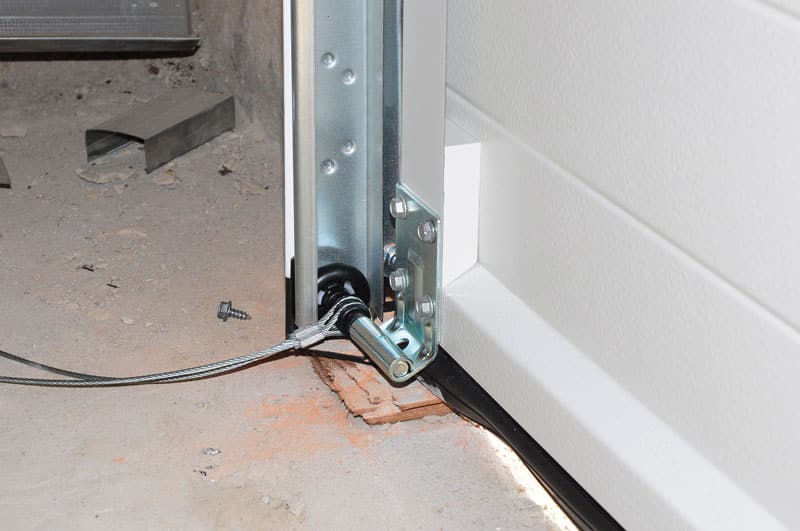
Garage door cables are vital components that work alongside springs to lift and lower your door safely. They’re made of strong, twisted steel wires designed to handle the weight and tension of the door. Over time, cables can fray, rust, or snap due to wear and tear, exposure to moisture, or improper maintenance. When cables fail, the door may become stuck, uneven, or even dangerous to operate.
There are two main types of cables used in residential garage doors:
- Torsion cables – Used with torsion spring systems, these run along the bottom of the door and wind/unwind as the door moves.
- Extension cables – Used with extension spring systems, these run along the sides of the door and stretch as the door opens.
Replacing cables promptly is crucial for safety and to prevent further damage to your garage door system.
Factors That Influence Garage Door Cable Pricing
The cost of new cables can vary significantly based on several factors. Understanding these variables will help you estimate your expenses more accurately:
- Type of cable: Torsion cables typically cost slightly more than extension cables due to their design and strength requirements.
- Material quality: Galvanized or stainless steel cables are more resistant to rust and corrosion, but they may come at a premium.
- Door size and weight: Heavier or oversized doors require thicker, stronger cables, which can increase the price.
- Brand and manufacturer: Well-known brands or OEM (original equipment manufacturer) parts may cost more than generic options.
- Labor costs: If you hire a professional, labor charges will be a significant part of the total expense.
- Location: Prices can vary by region due to local labor rates and material availability.
Average Cost Range for New Garage Door Cables
For most homeowners, the typical price for a pair of standard residential garage door cables falls between $15 and $50 for the parts alone. Here’s a breakdown of what you can expect:
| Type | DIY Parts Cost (Pair) | Installed by Pro (Total) |
|---|---|---|
| Torsion Cables | $15 – $35 | $90 – $200 |
| Extension Cables | $10 – $30 | $80 – $180 |
| Heavy-Duty/Custom | $30 – $50+ | $120 – $250+ |
These figures include the cost of the cables themselves. If you opt for professional installation, the price covers labor, inspection, and sometimes minor adjustments or lubrication.

DIY vs. Professional Replacement: Which Is Right for You?
Many homeowners consider replacing cables themselves to save money. DIY cable replacement kits are widely available and typically include the cables, end stops, and sometimes pulleys. If you’re comfortable with tools and follow safety precautions, DIY can be a cost-effective option. However, garage door springs and cables are under high tension and can cause injury if handled improperly.
Professional installation, while more expensive, ensures the job is done safely and correctly. Technicians can also spot related issues, such as worn pulleys or misaligned tracks, and address them during the service call. If your door uses a torsion spring system, or if you’re unsure about the process, hiring a pro is highly recommended.
How to Get the Best Value When Replacing Garage Door Cables
To make the most of your investment, consider these tips:
- Compare prices from multiple local service providers and ask for detailed quotes.
- Check if the technician inspects the entire door system, not just the cables.
- Look for bundled deals that include cables, pulleys, and installation for a single price.
- Choose galvanized or stainless steel cables for better durability, especially in humid climates.
- Ask about warranties on both parts and labor.
- Perform regular maintenance to extend the life of your cables. For tips, see our garage door cable prevention tips guide.
Signs It’s Time to Replace Your Garage Door Cables
Recognizing the warning signs early can help you avoid emergency repairs and higher costs. Watch for:
- Visible fraying, rust, or broken strands on the cables
- The door appears crooked or uneven when moving
- Loud snapping or grinding noises during operation
- The door won’t open or close fully
- Cables are loose, slack, or off the drum/pulley
If you notice any of these issues, stop using the door and arrange for inspection or replacement as soon as possible.

Understanding the Role of Cables in Garage Door Operation
Garage door cables play a critical role in both safety and performance. They work in tandem with springs to balance the door’s weight, ensuring smooth and controlled movement. If you’re interested in the technical side, this overview of how garage door cables work provides a detailed explanation of their function and importance.
For those looking to optimize their system, upgrading cables can also improve efficiency and reduce strain on the opener. Explore more about this in our garage door cable efficiency article.
Frequently Asked Questions
How often should garage door cables be replaced?
Most residential garage door cables last 7–10 years with regular use and proper maintenance. However, if you notice fraying, rust, or other damage, it’s best to replace them immediately to avoid safety hazards.
Can I replace garage door cables myself?
DIY replacement is possible for those with mechanical skills and the right tools, especially for extension spring systems. However, torsion spring systems are under high tension and can be dangerous. If you’re unsure, it’s safer to hire a professional.
Are all garage door cables the same?
No, cables vary by door type, size, and spring system. Always check your door’s specifications or consult a technician to ensure you purchase the correct cables for your setup.
What can I do to extend the life of my cables?
Regularly inspect cables for wear, keep them clean, and lubricate moving parts as recommended by the manufacturer. For more strategies, see our garage door cable prevention tips.
Conclusion
Understanding the variables that affect garage door cable pricing empowers homeowners to budget for repairs or upgrades confidently. Whether you choose DIY or professional service, investing in quality cables and regular maintenance will keep your garage door operating safely and smoothly for years to come. For more technical advice, visit our garage door cable professional guide or explore options to modernize your setup in our garage door cable system upgrade article.