Maintaining your garage door cables is essential for both safety and the long-term performance of your garage door system. Well-cared-for cables help prevent unexpected failures, reduce repair costs, and ensure smooth operation year-round. This article explores garage door cable best practices that every homeowner should know, including inspection routines, cleaning tips, and when to seek professional help. Whether you’re a DIY enthusiast or prefer to call in the pros, following these guidelines will help extend the life of your cables and keep your garage door operating safely.
Understanding the different types of cables, their common issues, and how to address them can make a significant difference in the reliability of your garage door. For those interested in more hands-on solutions, you can also learn about how to fix garage door cable safely and effectively. Let’s dive into the essential practices and expert tips that will help you get the most from your garage door cables.
Why Proper Cable Care Matters
Garage door cables are under constant tension and play a critical role in lifting and lowering the door. Neglecting cable maintenance can lead to fraying, rust, or even sudden breakage, which may cause property damage or personal injury. By adopting garage door cable best practices, you can:
- Enhance the safety of your home and family
- Prevent costly emergency repairs
- Ensure smooth and quiet door operation
- Extend the lifespan of your entire garage door system
Routine care and timely intervention are key to avoiding unexpected failures and keeping your garage door reliable for years to come.
Types of Garage Door Cables and Their Functions
Understanding the different cable types helps you identify the right maintenance approach. The two most common types are:
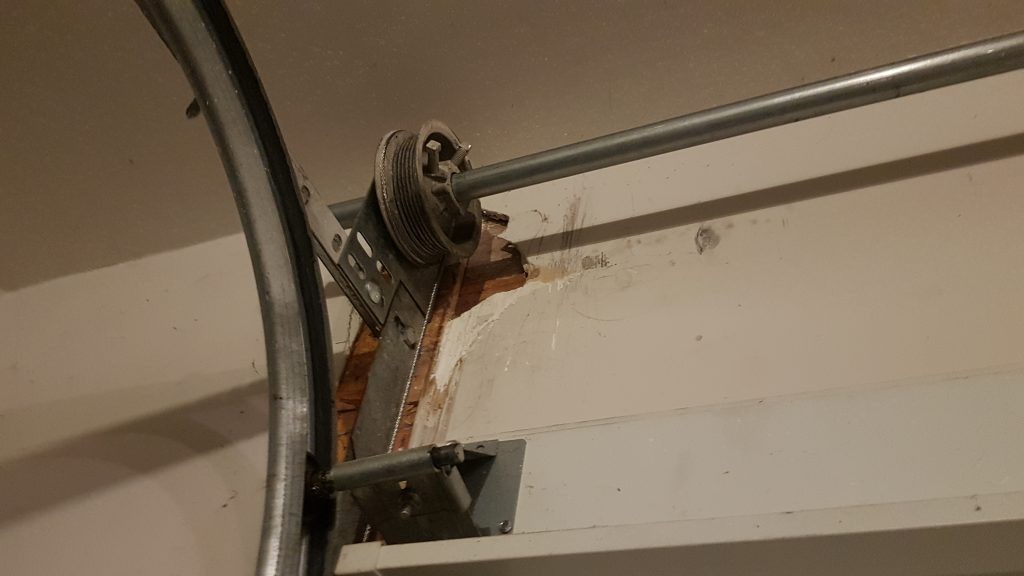
- Torsion cables: Used with torsion spring systems, these cables wind around drums at the top of the door and are responsible for lifting the door’s weight.
- Extension cables: Found in extension spring systems, these run along the sides of the door and stretch as the door opens and closes.
Each type requires specific attention. For more details on torsion systems, see torsion garage door cables for function and safety tips. Knowing your system type ensures you follow the correct maintenance steps and use compatible replacement parts.
Inspection Routines: Spotting Problems Early
Regular inspections are the foundation of garage door cable best practices. Here’s how to check your cables effectively:
- Visual check: Look for signs of fraying, rust, kinks, or broken strands. Pay attention to areas near the drum or pulley, where wear is most common.
- Listen for unusual sounds: Squeaking or grinding noises may indicate cable or pulley issues.
- Check cable tension: Cables should be taut but not overly tight. Sagging or loose cables can signal a problem with springs or pulleys.
Perform these checks monthly, and always inspect cables after severe weather or if your garage door has been hit or jarred.
Cleaning and Lubrication: Keeping Cables in Top Shape
Dirt, dust, and moisture are the main enemies of garage door cables. To keep them in optimal condition:
- Wipe cables with a dry cloth to remove dust and debris. Avoid using water, as moisture can accelerate rust.
- Apply a light garage door lubricant to the cables and pulleys. Use a product specifically designed for garage doors, not household oils that can attract dirt.
- Check for rust and treat affected areas with a rust inhibitor. If rust is severe, consider replacing the cable.
Clean and lubricate your cables at least twice a year, or more often in humid or coastal environments.
When to Replace or Repair Garage Door Cables
Even with the best care, cables will eventually wear out. Here’s how to know when it’s time for action:
- Visible fraying or broken strands: Replace the cable immediately to avoid sudden failure.
- Rust or corrosion: If rust cannot be removed or has weakened the cable, replacement is necessary.
- Cable off the drum or pulley: This may be fixable, but repeated occurrences mean the cable or hardware may need replacement.
For step-by-step repair advice, check out garage door cable fix for fast solutions to common issues. If you’re unsure or uncomfortable with DIY repairs, always contact a professional to avoid injury.
Choosing the Right Replacement Cables
Not all cables are created equal. When selecting new cables, consider:
- Material: Galvanized steel is the most common and offers good resistance to rust. For a deeper dive into options, see garage door cable materials for expert advice.
- Length and thickness: Match the specifications of your existing cables or consult your garage door’s manual.
- Compatibility: Ensure the cables are designed for your door’s spring system (torsion or extension).
Using the right cables is crucial for safety and performance. If in doubt, bring your old cable to a hardware store or consult a garage door specialist.

Safety Precautions for Handling Garage Door Cables
Working with garage door cables can be dangerous due to the high tension involved. Always follow these safety tips:
- Disconnect power to the garage door opener before starting any work.
- Wear gloves and safety glasses to protect against sharp strands and debris.
- Never attempt to adjust or replace cables under tension unless you have proper training and tools.
- If you’re unsure, hire a professional technician to handle repairs or replacements.
For more detailed do’s and don’ts, see this comprehensive guide to garage door cable safety for homeowners.
Professional Maintenance vs. DIY: Making the Right Choice
While routine inspections and light cleaning can be done by most homeowners, some tasks are best left to professionals. Consider calling an expert if:
- You notice severe fraying, rust, or cable misalignment
- The door is stuck or operates unevenly
- You’re unsure about the type of cable or repair needed
Professional technicians have the tools and experience to handle high-tension cables safely and efficiently. For those interested in learning more about professional solutions, visit garage door cable repair for expert tips and services.
FAQ: Garage Door Cable Maintenance and Longevity
How often should I inspect my garage door cables?
It’s recommended to inspect your cables at least once a month. Look for signs of wear, fraying, or rust, and check after any incident that may have impacted your garage door.
Can I lubricate garage door cables myself?
Yes, you can apply a light, garage-door-specific lubricant to the cables and pulleys. Avoid using heavy oils or grease, as these can attract dirt and cause buildup.
What should I do if my cable comes off the drum?
If a cable slips off the drum, stop using the door immediately. While some minor issues can be fixed by experienced DIYers, it’s safest to contact a professional to avoid injury or further damage.
Are all garage door cables the same?
No, cables vary in material, thickness, and length depending on your door’s spring system and size. Always match replacement cables to your specific door requirements.
What are the signs that my cables need replacing?
Replace cables if you notice broken strands, severe rust, kinks, or if the cable frequently comes off the drum or pulley. Regular maintenance helps catch these issues early.
By following these garage door cable best practices, you can ensure your garage door remains safe, reliable, and long-lasting. Regular care, prompt repairs, and using the right materials are the keys to maximizing the lifespan of your cables and the overall performance of your garage door system.