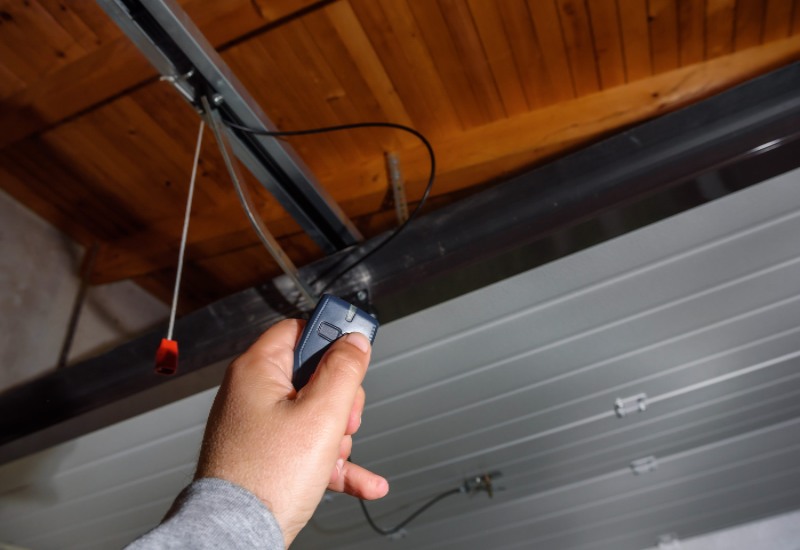
Proper garage door cable seasonal maintenance is essential for keeping your garage door operating smoothly and safely throughout the year. Both winter and summer bring unique challenges that can affect the performance and longevity of your cables. By understanding the specific needs of your garage door system during each season, you can prevent costly repairs, avoid unexpected breakdowns, and extend the lifespan of your door hardware.
This article covers practical steps for maintaining your garage door cables in both cold and warm weather, signs of wear to watch for, and when to seek professional help. We’ll also highlight the importance of corrosion prevention and best practices for cable care, referencing expert resources to help you make informed decisions.
For more in-depth strategies on protecting your cables from rust and environmental damage, see our guide on garage door cable corrosion prevention.
Why Seasonal Cable Maintenance Matters
Garage door cables are critical to the safe and efficient operation of your door. These cables support the weight of the door and work in tandem with springs and pulleys. Seasonal changes can cause cables to contract, expand, or corrode, leading to fraying, snapping, or misalignment. Regular attention to cable health helps prevent sudden failures and ensures your door remains reliable all year long.
Neglecting seasonal care can result in:
- Premature cable wear and breakage
- Increased risk of door misalignment or jamming
- Potential safety hazards for people and vehicles
- Costly emergency repairs
By scheduling routine checks and addressing issues early, you can keep your garage door running smoothly and avoid unnecessary expenses.
Winter Garage Door Cable Care
Cold temperatures, ice, and moisture can be tough on garage door cables. Here are key steps to protect your cables during winter:
- Inspect for rust and corrosion: Moisture and road salt can accelerate rust, weakening the cables. Wipe cables with a dry cloth and check for any orange or brown discoloration.
- Lubricate moving parts: Use a garage door lubricant (never grease) on pulleys and springs, but avoid getting lubricant directly on the cables, as it can attract dirt and debris.
- Check for fraying or kinks: Cold weather can make cables brittle. Look for broken strands or bends that could indicate weakening.
- Clear ice and snow: Prevent ice buildup around the bottom of the door and tracks, as this can strain cables and cause uneven tension.
- Test door balance: Unbalanced doors put extra stress on cables. Disconnect the opener and manually lift the door halfway; it should stay in place. If not, cables or springs may need adjustment.
For additional winter tips and troubleshooting, our article on garage door cable problems offers solutions to common cold-weather issues.
Summer Cable Maintenance for Garage Doors
High temperatures and humidity can also impact cable performance. During the summer, focus on the following:
- Inspect for slack or stretching: Heat can cause metal cables to expand, leading to slack. Ensure cables remain taut and properly aligned on the drums or pulleys.
- Check for fraying: Increased door usage in summer months can accelerate wear. Look for any visible damage or broken strands.
- Clean dust and debris: Summer storms and wind can blow dirt into the tracks and onto cables. Wipe cables clean and keep the area around the door free of debris.
- Monitor for corrosion: Humid conditions can promote rust, especially if your garage isn’t climate-controlled. Apply a light rust inhibitor if needed, but avoid heavy oils.
Regular summer inspections help catch minor issues before they become major problems. If you notice persistent slack or recurring fraying, consult a professional for a thorough assessment.
How to Perform a Seasonal Cable Inspection
Conducting a visual and manual inspection at the start of each season is the best way to catch early signs of trouble. Here’s a simple checklist:
- With the door closed, visually inspect both cables for rust, fraying, or kinks.
- Check that cables are seated correctly on the drums or pulleys and not rubbing against other hardware.
- Operate the door manually to listen for unusual noises or resistance.
- Test the door’s balance by lifting it halfway and observing if it stays in place.
- Look for signs of cable slack or uneven tension on either side of the door.
If you spot any of these issues, it’s wise to review garage door cable best practices for guidance on safe handling and when to call in a technician.
Common Signs Your Garage Door Cables Need Attention
Whether it’s winter or summer, certain warning signs indicate your cables may be at risk. Watch for:
- Visible rust, corrosion, or pitting on cable surfaces
- Frayed or broken cable strands
- Kinks, twists, or cables coming off the drum
- Unusual noises when opening or closing the door
- Door that lifts unevenly or gets stuck
If you notice any of these symptoms, consult our resource on how to fix garage door cable for safe DIY tips or contact a professional for immediate service.
Expert Tips for Year-Round Cable Longevity
Keeping your garage door cables in top condition requires consistent care and attention to detail. Here are some expert recommendations:
- Schedule cable inspections at the start of each season
- Keep cables clean and dry whenever possible
- Use only manufacturer-approved lubricants on moving parts
- Replace cables at the first sign of significant wear or corrosion
- Never attempt to adjust high-tension cables without proper training
For a deeper understanding of how cables function within your garage door system, check out this detailed explanation of garage door cable mechanics.
When to Call a Professional
While routine cleaning and visual inspections are safe for most homeowners, certain cable issues require professional expertise. If you encounter any of the following, do not attempt repairs yourself:
- Broken or severely frayed cables
- Cables that have slipped off the drum or pulley
- Doors that are stuck open or closed due to cable failure
- Unbalanced doors that are difficult to lift manually
Professional technicians have the tools and training to safely handle high-tension components and ensure your door is restored to proper working order. For more information, see our guide on garage door cable repair.
Frequently Asked Questions
How often should garage door cables be inspected?
It’s best to inspect your garage door cables at least twice a year—once in the spring and again in the fall. However, if you live in an area with extreme weather or notice any changes in door operation, more frequent checks are recommended.
Can I lubricate garage door cables directly?
Direct lubrication of the cables is not recommended, as it can attract dust and debris, leading to premature wear. Instead, focus on lubricating pulleys, rollers, and springs with a suitable garage door lubricant.
What should I do if my garage door cable is frayed?
If you spot fraying, stop using the door and contact a professional immediately. Operating the door with a damaged cable can be dangerous and may cause further damage to the system.