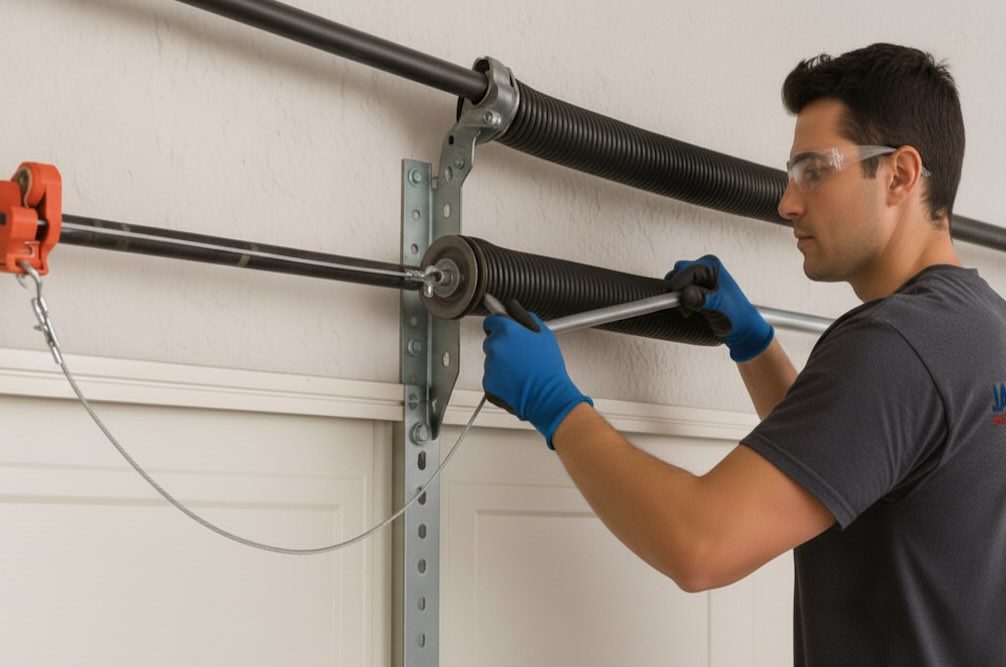
Garage doors rely on strong, flexible cables to lift and lower smoothly. Over time, however, these cables are vulnerable to corrosion, which can lead to fraying, snapping, or even sudden failure. Homeowners who want to avoid costly repairs and keep their garage doors operating safely need to understand the basics of garage door cable corrosion prevention. This guide covers the causes of corrosion, practical steps for protection, and tips for extending the life of your cables.
Corroded cables not only compromise the function of your garage door but also pose a safety risk. Addressing this issue early can save you from unexpected breakdowns and expensive emergency service calls. Whether you have torsion or extension cables, regular care and the right materials make a significant difference. For those interested in learning more about cable types and repair, check out this resource on garage door cable fix for fast solutions to common problems.
Understanding Why Garage Door Cables Corrode
Cables for garage doors are typically made from galvanized or stainless steel, both chosen for their strength and resistance to rust. Despite this, they are still susceptible to corrosion due to a combination of environmental and mechanical factors. Moisture is the primary culprit, especially in humid climates or garages that are not fully sealed. Road salt, chemical exposure, and even regular dirt buildup can accelerate the process.
When corrosion sets in, it weakens the cable strands, making them more likely to snap under tension. This is particularly dangerous because a broken cable can cause the door to drop suddenly or become misaligned. Regular inspection and proper maintenance are the first lines of defense against these risks.
Key Steps for Garage Door Cable Corrosion Prevention
Effective protection starts with a combination of routine care and smart material choices. Here are the most important steps homeowners can take to prevent rust and prolong cable life:
- Keep cables clean and dry: Wipe down cables periodically to remove dust, grime, and moisture. Avoid letting water or snow accumulate near the door tracks.
- Apply a light lubricant: Use a silicone-based or garage door-specific lubricant to coat the cables lightly. This creates a barrier against moisture and reduces friction.
- Inspect for early signs of wear: Look for fraying, discoloration, or rough patches. Addressing minor issues early can prevent major failures.
- Choose corrosion-resistant materials: If replacing cables, opt for stainless steel or high-quality galvanized options. These offer better long-term protection than standard steel.
- Seal your garage: Ensure weatherstripping is intact and consider using a dehumidifier if your garage is prone to dampness.
For a deeper dive into the different types of cables and their maintenance needs, this article on the four main types of garage door cables provides valuable insights.

How to Identify Early Signs of Cable Corrosion
Spotting corrosion before it becomes a serious problem is crucial for safety and cost savings. Here’s what to look for during your monthly garage door check:
- Rust spots: Orange or brown discoloration on the cable surface is a clear sign of oxidation.
- Fraying or broken strands: Corroded cables often develop weak points where individual wires snap.
- Stiffness or rough movement: If the cable no longer moves smoothly through the pulley or drum, corrosion may be increasing friction.
- Unusual noises: Squeaking, grinding, or scraping sounds can indicate that rust is interfering with normal operation.
If you notice any of these symptoms, it’s best to schedule a professional inspection. For more detailed repair advice, see this guide on garage door cable repair for professional solutions and tips.
Choosing the Right Cable Materials for Long-Term Protection
The type of cable you install makes a significant difference in how well it resists corrosion. Here’s a quick comparison of the most common options:
| Material | Corrosion Resistance | Best For |
|---|---|---|
| Galvanized Steel | Good | Standard residential doors, moderate climates |
| Stainless Steel | Excellent | Coastal areas, high humidity, premium installations |
| Coated Cables | Very Good | Extra protection, garages with chemical exposure |
For more on material selection, the article on garage door cable materials explains which options are best for different environments and budgets.
Routine Maintenance Tips for Corrosion-Free Garage Door Cables
Consistent care is the most effective way to keep your cables in top condition. Here are some practical maintenance tips:
- Monthly visual inspections: Check for rust, fraying, or kinks. Use a flashlight to see the full length of the cable.
- Lubricate twice a year: Apply a thin layer of silicone or lithium-based lubricant to the cables, avoiding excess that could attract dirt.
- Keep the area dry: Mop up water near the garage door and address leaks promptly.
- Replace weatherstripping: Ensure a tight seal at the bottom of the door to block out rain and debris.
- Schedule professional service: Have a technician check cable tension and alignment annually, especially if your door is used frequently.
If you have a specific cable system, such as torsion or extension, you may benefit from guides tailored to those setups. For example, see the torsion garage door cables article for safety tips, or the extension garage door cables setup guide for detailed instructions.
Frequently Asked Questions
How often should I inspect my garage door cables for corrosion?
It’s recommended to visually inspect your cables at least once a month. Look for rust, fraying, or any signs of wear. Early detection is key to preventing major issues and ensuring safe operation.
Can I use WD-40 to lubricate garage door cables?
While WD-40 can displace moisture, it’s not ideal for long-term lubrication. Use a silicone-based or garage door-specific lubricant to protect cables and reduce friction without attracting dirt.
What should I do if I notice rust on my garage door cables?
If you see minor surface rust, clean the area and apply a protective lubricant. For significant corrosion, fraying, or broken strands, replace the cable immediately to avoid safety hazards.
Are stainless steel cables worth the extra cost?
Stainless steel cables offer superior resistance to rust and are a smart investment in humid or coastal environments. They can last longer and reduce the need for frequent replacements.
Conclusion
Taking proactive steps for garage door cable corrosion prevention ensures your door operates safely and reliably for years. By choosing the right materials, performing regular maintenance, and addressing early signs of wear, you can avoid unexpected failures and costly repairs. For more in-depth repair tips or to explore cable options, refer to the linked resources throughout this guide.