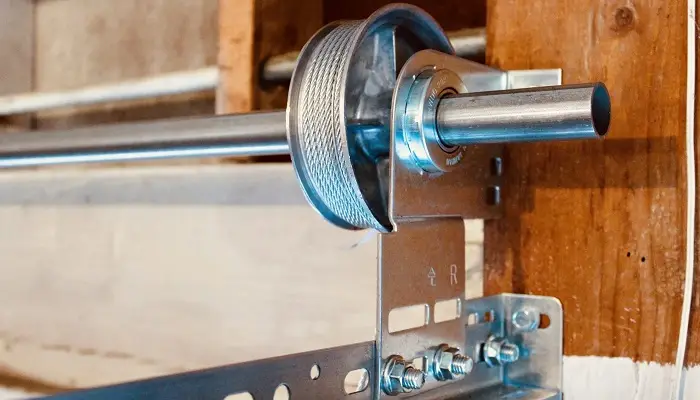
When temperatures drop, homeowners often encounter unexpected problems with their garage doors. One of the most common cold-weather challenges involves the cables that help lift and lower the door. Garage door cable winter issues can lead to sudden malfunctions, safety hazards, and costly repairs if not addressed early. Understanding why cables struggle in winter and learning how to prevent these problems is essential for maintaining a reliable, safe entryway to your home.
Cold snaps can cause cables to stiffen, fray, or even snap, leaving your garage door stuck or operating unsafely. Factors like moisture, salt, and fluctuating temperatures all play a role in accelerating wear and tear. With the right knowledge and a proactive approach, you can minimize the risk of winter-related cable failures and keep your garage door running smoothly throughout the coldest months.
For a deeper dive into technical details and seasonal strategies, you may also want to review our garage door cable seasonal maintenance guide, which covers both winter and summer care tips.
How Cold Weather Impacts Garage Door Cables
Winter brings a unique set of challenges for garage door systems. The cables, which are typically made of tightly wound steel, are especially vulnerable to the effects of cold. Here are some of the main ways that low temperatures can affect these components:
- Stiffening of Metal: Steel contracts in cold weather, making cables less flexible and more prone to kinking or snapping under tension.
- Increased Brittleness: Prolonged exposure to freezing temperatures can make cables brittle, increasing the risk of sudden breaks.
- Moisture and Ice: Condensation or melting snow can seep into the cable strands, leading to rust and corrosion. When water freezes inside the cable, it can force the strands apart, weakening the structure.
- Salt and Debris: Road salt and winter debris tracked into the garage can accelerate corrosion, especially if cables are already compromised by moisture.
Recognizing these risks is the first step in preventing winter-related cable failures. Regular inspection and timely maintenance are key to avoiding unexpected breakdowns during the coldest months.
Common Signs of Winter Cable Problems
Spotting early warning signs can help you address cable issues before they escalate. Here are some symptoms to watch for during winter:
- Frayed or Rusty Cables: Visible rust, corrosion, or fraying are clear indicators that cables are weakening.
- Uneven Door Movement: If your garage door rises unevenly or gets stuck, a cable may be stretched, frozen, or partially snapped.
- Loud Noises: Squeaking, grinding, or snapping sounds during operation often signal cable tension problems or ice buildup.
- Slack or Loose Cables: Cables should remain taut. If you notice slack, the cable may have slipped off the drum or pulley due to contraction or ice.
Addressing these issues quickly can prevent further damage to your garage door system and reduce the risk of accidents.
Preventive Maintenance for Cold Weather Cable Issues
Taking a proactive approach can dramatically reduce the likelihood of cable failures during winter. Here are practical steps to keep your garage door cables in top shape:
- Regular Inspections: Check cables for signs of wear, rust, or fraying at least once a month during winter. Pay close attention to the areas near the drum and bottom bracket, where damage often starts.
- Lubrication: Use a garage door lubricant designed for cold weather to keep cables and pulleys moving smoothly. Avoid using grease, as it can thicken and attract debris in low temperatures.
- Moisture Control: Keep your garage as dry as possible. Wipe down cables if you notice condensation or water, and ensure proper drainage to prevent puddles from forming near the door.
- Salt Management: Sweep up salt and debris regularly to prevent corrosion. If you live in an area where salt is used on roads, consider installing a mat near the garage entrance to catch residue.
- Professional Tune-Ups: Schedule a professional inspection before winter begins. Technicians can identify hidden problems and make adjustments to cable tension, springs, and pulleys.
For more advanced tips and technical insights, the garage door cable professional guide offers in-depth advice on cable care and troubleshooting.
Repairing and Replacing Damaged Cables in Winter
If you discover a cable issue during the colder months, prompt action is crucial. Here’s what you should know about winter repairs:
- Safety First: Never attempt to repair or replace a garage door cable under tension yourself. The risk of injury is high, especially when cables are brittle or frozen.
- Temporary Solutions: If a cable snaps and you need to secure your garage, disconnect the opener and manually lower the door. Prop it closed with a sturdy object until a professional arrives.
- Professional Repair: Contact a qualified technician for cable replacement. They have the tools and expertise to safely remove damaged cables and install new ones, even in freezing conditions.
- Upgrade Materials: Consider upgrading to galvanized or coated cables, which offer better resistance to rust and corrosion in winter environments.
For step-by-step repair instructions and safety considerations, see this comprehensive guide to fixing garage door cables.
Long-Term Strategies for Avoiding Winter Cable Failures
While regular maintenance is essential, adopting a few long-term strategies can further reduce the risk of cable problems during future winters:
- Upgrade to Weather-Resistant Hardware: Invest in cables and pulleys specifically designed for harsh climates. Galvanized and stainless steel options offer superior protection against rust and corrosion.
- Install a Garage Heater: Maintaining a moderate temperature inside your garage can prevent cables from becoming brittle and reduce condensation.
- Seal Gaps and Insulate: Proper insulation and weatherstripping help keep out cold air and moisture, protecting not only cables but the entire garage door system.
- Monitor Humidity: Use a dehumidifier in damp climates to minimize moisture buildup on cables and other metal components.
For more on protecting cables from environmental hazards, the garage door cable moisture damage guide provides targeted solutions for rust and corrosion prevention.
Frequently Asked Questions
What causes garage door cables to snap more often in winter?
Cold temperatures cause metal cables to contract and become less flexible, increasing the likelihood of fraying or snapping. Moisture and salt can also accelerate corrosion, weakening the cable structure during winter months.
How can I tell if my garage door cables are at risk during winter?
Look for signs such as visible rust, fraying, slack cables, or unusual noises when operating the door. If the door moves unevenly or gets stuck, it’s a strong indication that the cables may be compromised.
Is it safe to replace garage door cables myself in cold weather?
It is not recommended to attempt cable replacement on your own, especially in winter. Cables are under high tension and can cause serious injury if handled improperly. Always contact a professional for repairs or replacements.
How often should I inspect my garage door cables during winter?
Monthly inspections are advised during the colder months. Pay close attention after snowstorms or periods of heavy moisture, as these conditions can accelerate cable wear and corrosion.
Conclusion
Winter brings unique challenges for garage door cables, but with regular inspections, proper maintenance, and timely repairs, you can prevent most cold-weather failures. Investing in weather-resistant hardware and keeping your garage dry and insulated will further extend the life of your cables. For more detailed advice on cable care, check out our garage door cable corrosion prevention resource. By staying proactive, you’ll ensure your garage door remains safe, reliable, and ready for whatever winter brings.