A properly functioning garage door cable balance system is essential for the smooth, safe, and even operation of your garage door. When cables are in good condition and correctly balanced, your door opens and closes evenly, reducing wear on other components and minimizing safety risks. Homeowners often overlook these cables, but understanding their role and maintenance can prevent costly repairs and ensure your garage door remains reliable for years.
In this guide, you’ll learn how these cable systems work, signs of imbalance, and practical steps for maintaining or replacing cables. For those seeking more technical details, the garage door cable professional guide offers in-depth information on cable types, specs, and troubleshooting.
Understanding How Garage Door Cable Systems Work
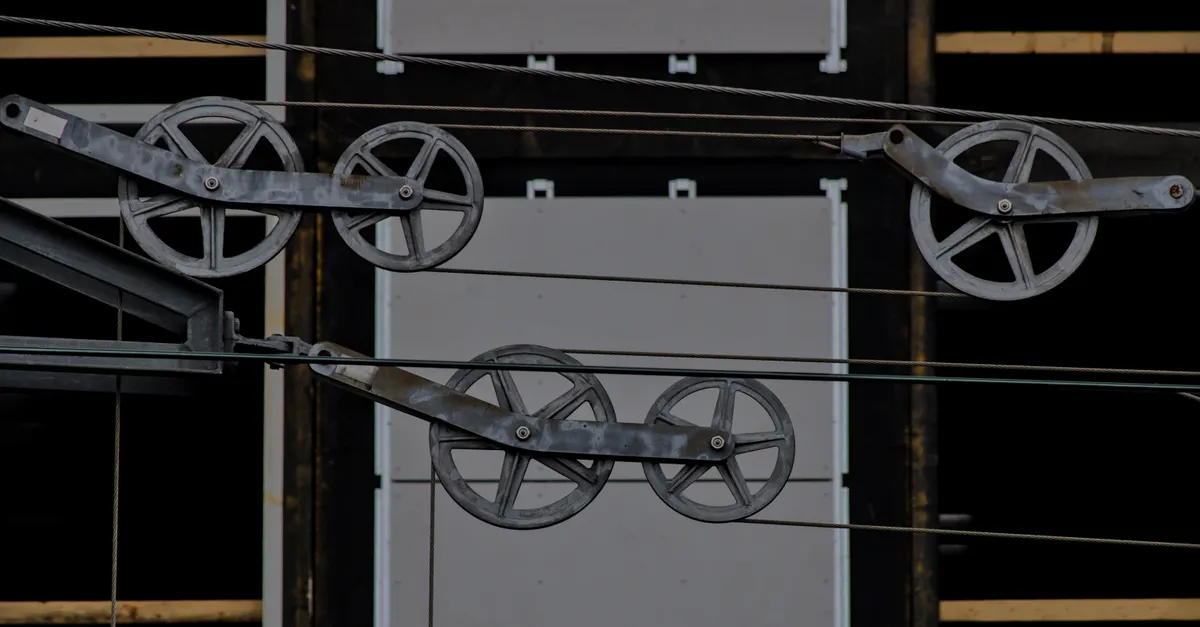
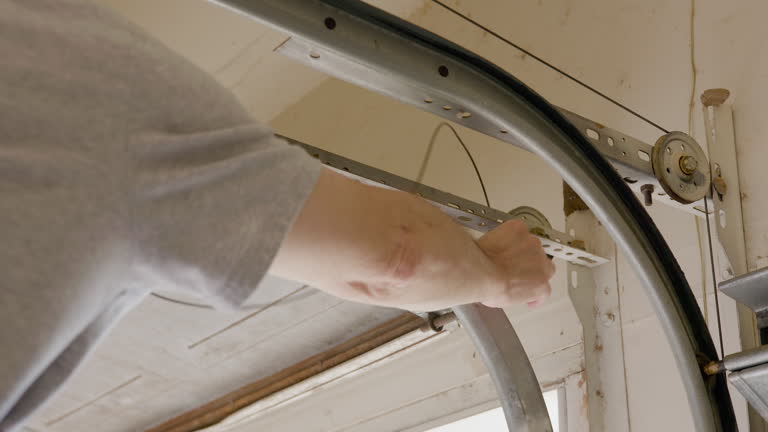
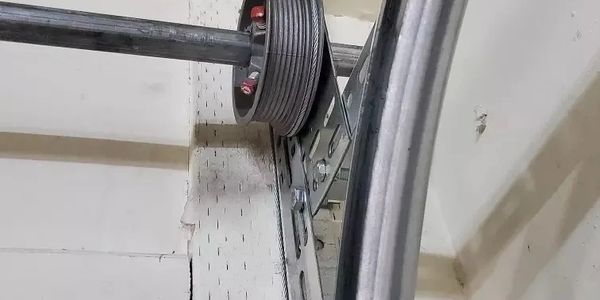
The cable balance system is a critical part of most residential garage doors. It consists of steel cables attached to the bottom corners of the door and wound around drums or pulleys at the top. These cables work in tandem with either torsion or extension springs to counterbalance the weight of the door, making it possible to lift and lower the door with minimal effort.
When the door is operated, the cables wind or unwind, transferring the spring’s stored energy to help move the door. If the cables are uneven, frayed, or broken, the door may become crooked, jammed, or even dangerous to operate.
For a more detailed look at how these mechanisms function, the garage door cable working principle article explores the physics behind garage door lifting systems.
Common Signs of Cable Imbalance
A well-balanced garage door should move smoothly and stay level throughout its travel. However, several issues can indicate a problem with your cable system:
- Door appears crooked when opening or closing
- One side moves faster or lags behind the other
- Unusual noises such as scraping, popping, or grinding
- Visible slack or fraying in one or both cables
- Door gets stuck or is difficult to move manually
If you notice any of these symptoms, it’s important to inspect your cables and consider maintenance or replacement. Ignoring these signs can lead to further damage or even cause the door to fall unexpectedly.
Types of Garage Door Cable Balance Systems
There are two main types of cable systems used in residential garage doors:
- Torsion Spring Cable Systems: These use a torsion spring mounted above the door and cables wound around drums. They are common in newer installations and provide smooth, reliable operation.
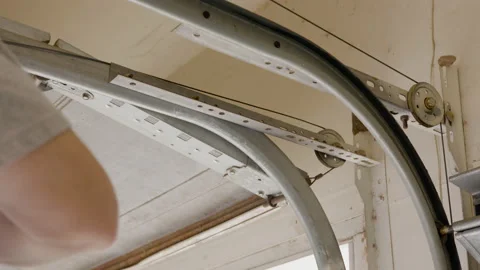
- Extension Spring Cable Systems: These use extension springs along the horizontal tracks and pulleys to balance the door. The cables run through pulleys and attach to the springs, stretching as the door moves.
Both systems rely on high-tensile steel cables, but the configuration and maintenance requirements differ. Torsion systems are generally considered safer and more durable, while extension systems are simpler but require more frequent inspection.
Why Proper Cable Balance Matters
Maintaining a level garage door is about more than appearance. An imbalanced cable system can cause:
- Increased wear on rollers, hinges, and tracks
- Strain on the opener motor
- Risk of cables snapping or coming off the drum
- Potential for the door to jam or fall suddenly
Regularly checking your cables and ensuring they are in good condition helps prevent these issues. For seasonal tips, see the garage door cable seasonal maintenance resource.
How to Inspect and Maintain Your Cable System
Routine inspection is the best way to catch cable problems early. Here’s what to look for:
- Check for fraying, rust, or broken strands along the cable length
- Ensure cables are taut and evenly wound on the drums or pulleys
- Look for corrosion at attachment points and drums
- Listen for unusual noises during operation
If you find minor rust or dirt, clean the cables gently with a dry cloth. For more advanced corrosion issues, refer to the garage door cable corrosion prevention guide. Lubricate moving parts, but avoid getting lubricant on the cables themselves, as this can attract debris and accelerate wear.
When to Replace Garage Door Cables
Cables are under high tension and can be dangerous to replace without proper tools and experience. If you notice:
- Frayed or broken strands
- Visible kinks or severe rust
- Cables slipping off drums or pulleys
It’s best to contact a professional or use a high-quality replacement kit. For those comfortable with DIY repairs, always disconnect the opener and secure the door before starting. Replacement kits, like those found through the buttons above, include the necessary hardware for most standard doors.
Preventing Cable Problems and Extending Lifespan
To keep your garage door running smoothly, follow these preventive steps:
- Inspect cables and hardware every six months
- Address minor rust or dirt promptly
- Keep the area around the drums and pulleys clean
- Replace cables at the first sign of serious wear
- Schedule professional maintenance annually
Moisture is a common culprit for cable damage. For guidance on dealing with rust and water exposure, see the garage door cable moisture damage article.
Expert Resources and Further Reading
If you want to dive deeper into the mechanics and care of these systems, several resources are available. For a comprehensive overview of cable function and maintenance, the role of garage door cables article provides valuable insights. Combining these resources with regular inspection will help you avoid unexpected breakdowns and keep your door operating safely.
Frequently Asked Questions
How do I know if my garage door cable system is out of balance?
Common signs include the door appearing uneven, making unusual noises, or becoming difficult to open and close. If one side of the door moves faster or the cables look slack or frayed, it’s time for an inspection.
Can I replace garage door cables myself?
While some experienced homeowners attempt cable replacement, it’s a high-tension job that can be dangerous. If you’re not familiar with garage door mechanics, it’s safer to hire a professional.
How often should I inspect my garage door cables?
Inspect your cables at least twice a year, or more frequently if you notice any operational issues. Regular checks help catch problems early and extend the lifespan of your door system.