A broken garage door cable is a frustrating and potentially hazardous problem for homeowners. Understanding the garage door cable snapped reasons is the first step to preventing future issues and ensuring your door operates safely. This article explores the most common causes, how to spot early warning signs, and practical steps for both prevention and repair.
Garage door cables are essential for lifting and lowering the door smoothly. When a cable snaps, it can leave your garage door stuck, off-balance, or even dangerous to operate. By learning about the underlying factors that lead to cable failure, you can take action to extend the life of your system and avoid costly breakdowns.
For a deeper dive into cable types, specs, and troubleshooting, you may want to consult the garage door cable professional guide for additional technical tips and maintenance advice.
Main Causes of Garage Door Cable Failure
There are several factors that contribute to a snapped garage door cable. Recognizing these causes can help you take preventive measures and avoid sudden malfunctions.
Wear and Tear Over Time
Like any moving part, cables experience gradual wear as they lift and lower the heavy door multiple times a day. Over time, the strands inside the cable can fray, weaken, and eventually break. Regular use, especially in busy households, accelerates this process.
Poor Maintenance and Lack of Lubrication
Neglecting routine maintenance is a leading reason for premature cable failure. Dirt, debris, and rust can build up on the cables and pulleys, increasing friction and causing the cable to wear out faster. Applying the right lubricant and cleaning the cables regularly can significantly extend their lifespan.
Corrosion and Moisture Damage
Exposure to moisture, especially in humid or coastal environments, can cause cables to rust. Corroded cables lose their strength and are much more likely to snap. If you notice orange or brown discoloration, it’s a sign that corrosion is setting in. For more on this topic, see the garage door cable corrosion prevention guide for tips on protecting your cables from rust and moisture.
Improper Installation or Alignment
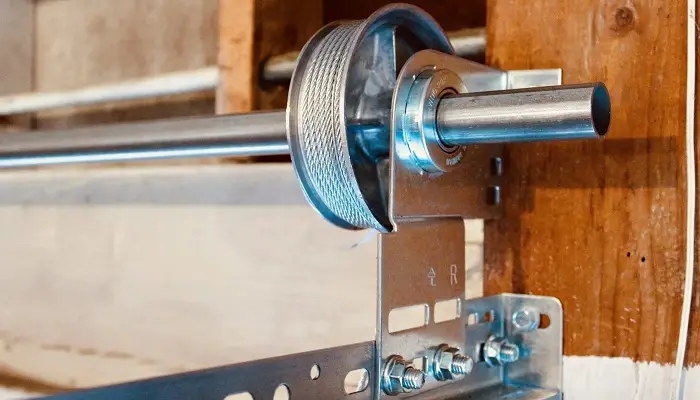
If cables are not installed correctly or become misaligned on the drum, they can rub against other components, leading to fraying and eventual breakage. Always ensure cables are seated properly and check for signs of uneven wear.
Sudden Impact or Obstructions
Sometimes, a cable may snap due to a sudden force, such as the door hitting an object or an abrupt stop caused by a jam. These incidents place extra stress on the cables and can cause immediate failure.
How to Identify a Cable Problem Early
Spotting early warning signs can help you address issues before a cable snaps. Here’s what to look for:
- Fraying or Broken Strands: Inspect the cables for visible wear, broken wires, or unraveling.
- Rust or Corrosion: Look for discoloration or rough patches on the cable surface.
- Unusual Noises: Squeaking, grinding, or popping sounds during operation may indicate cable or pulley problems.
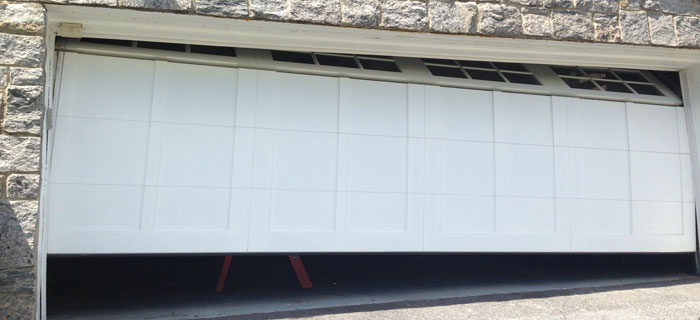
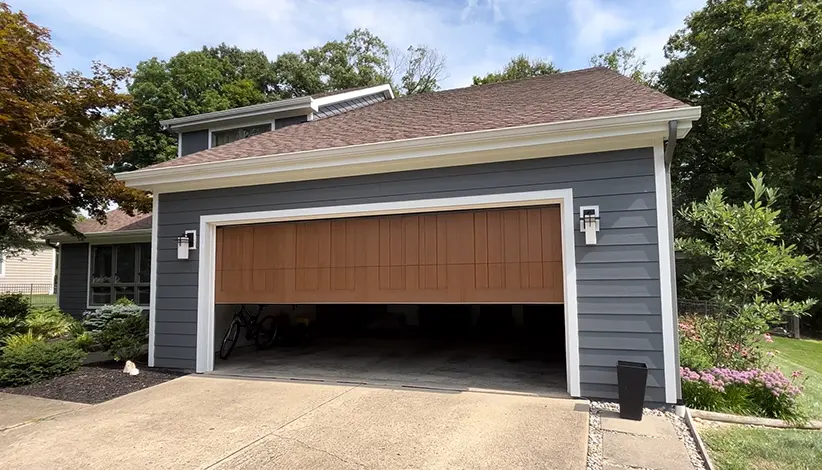
- Door Movement Issues: If the door jerks, tilts, or moves unevenly, a cable may be loose or damaged.
- Slack in the Cable: Cables should be taut when the door is closed. Any slack could signal a problem.
Regularly checking your system can help you catch these issues early. For more proactive steps, the garage door cable prevention tips article offers a comprehensive checklist for homeowners.
Prevention Strategies for Garage Door Cable Issues
Preventing cable failure is often easier and less expensive than dealing with a snapped cable. Here are some effective strategies:
Regular Inspections and Maintenance
Schedule visual inspections every few months. Clean the cables and pulleys, and apply a light garage door lubricant to reduce friction. Address any signs of wear immediately to avoid bigger problems.
Protect Against Moisture and Corrosion
Keep your garage dry and well-ventilated. If you live in a humid area, consider using a dehumidifier or moisture-absorbing products. Applying a rust-resistant spray can also help protect the cables.
Upgrade to Modern Cable Systems
Older garage doors may use outdated cable designs that are more prone to failure. Upgrading to a modern cable system can improve reliability and safety. Learn more about available options in the garage door cable system upgrade guide.
Professional Installation and Repairs
Always use a qualified technician for installation and major repairs. Proper alignment and tensioning are critical for cable longevity and safe operation.
What to Do If Your Garage Door Cable Breaks
If you discover a snapped cable, follow these steps to stay safe and restore your garage door’s function:
- Stop Using the Door: Do not attempt to open or close the door, as it may be unstable or could fall suddenly.
- Disconnect the Opener: Unplug or disengage the automatic opener to prevent accidental operation.
- Inspect for Additional Damage: Check for bent tracks, damaged springs, or other issues that may have resulted from the cable failure.
- Call a Professional: Garage door cables are under high tension and can be dangerous to replace without the right tools and experience. It’s best to contact a trained technician for repairs.
For those interested in learning more about the repair process, this step-by-step guide to fixing a garage door cable provides a helpful overview. However, DIY repairs are only recommended for those with proper knowledge and safety equipment.
Frequently Asked Questions
How long do garage door cables typically last?
Most garage door cables last between 7 and 15 years, depending on usage, maintenance, and environmental conditions. Regular inspections and proper care can help maximize their lifespan.
Can I replace a snapped cable myself?
While it is possible for experienced DIYers to replace cables, it’s generally safer to hire a professional. Garage door cables are under significant tension and improper handling can result in injury or further damage.
What are the signs that my cables need replacing?
Look for frayed wires, rust, slack, or unusual noises during operation. If your door moves unevenly or becomes stuck, it’s a strong indicator that the cables may need attention.
How can I prevent cable corrosion?
Keep your garage dry, clean the cables regularly, and apply a rust-resistant lubricant. In areas with high humidity, consider additional moisture control measures.
Are there upgraded cable systems available?
Yes, modern cable systems offer improved durability and safety features. Upgrading can be a smart investment, especially for older garage doors.
By understanding the main garage door cable snapped reasons and following these prevention and repair tips, you can keep your garage door operating safely and reliably for years to come.