Garage doors rely on a system of springs, pulleys, and cables to operate smoothly and safely. Among these components, the cables play a crucial role in lifting and lowering the door, ensuring balanced movement and preventing accidents. Understanding how these cables work, the types available, and the signs of wear can help homeowners maintain their garage doors and avoid costly repairs.
In this guide, you’ll find garage door cables explained in detail, including their function, common issues, and maintenance tips. Whether you’re troubleshooting a malfunctioning door or planning a DIY repair, having a clear grasp of cable mechanics is essential for safety and performance.
For a deeper dive into the mechanics behind cable operation, you can read how garage door cables work to lift your heavy door. This resource provides additional context on the interaction between cables and other garage door components.
Types of Garage Door Cables and Their Functions
There are several types of cables used in residential garage doors, each designed for specific door systems and spring mechanisms. The two most common varieties are:
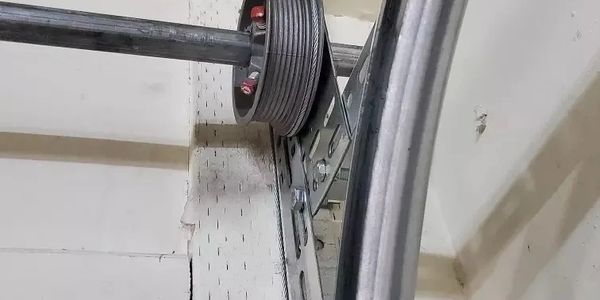
- Torsion cables: These are paired with torsion spring systems, which are mounted above the door. Torsion cables wind and unwind on drums as the door opens and closes, helping to balance the door’s weight.
- Extension spring cables: Used with extension spring systems, these cables run along the sides of the door and help control its movement as the springs stretch and contract.
Both types are made from strong, flexible steel wire to withstand repeated use and high tension. Cables are essential for safe operation, as they prevent the door from slamming shut if a spring fails.
How Cables Work with Springs and Pulleys
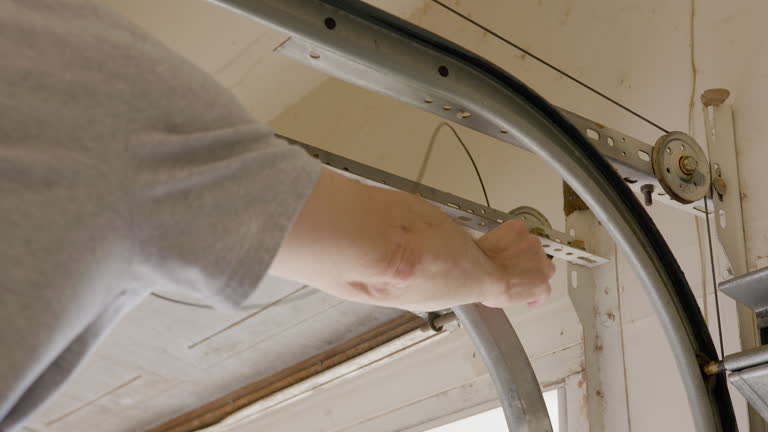
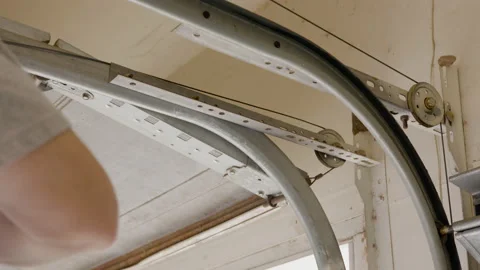
Garage door cables are tightly integrated with the spring and pulley system. When the door is operated, the cables either wind onto a drum (in torsion systems) or move along pulleys (in extension systems). This action counterbalances the door’s weight, making it possible to lift even heavy doors with minimal effort.
Proper tension is critical. If cables are too loose, the door may not open fully or could become unbalanced. If they’re too tight, the system is under excess strain, increasing the risk of breakage. For more details on the science behind cable operation, see this comprehensive explanation of garage door cable functions.
Common Problems and Warning Signs
Over time, cables can wear out, fray, or snap due to repeated use, exposure to moisture, or improper installation. Recognizing early warning signs can prevent sudden failures and potential injuries:
- Fraying or broken strands: Visible damage to the steel wire indicates the cable is weakening and should be replaced promptly.
- Rust or corrosion: Moisture can cause cables to rust, reducing their strength and flexibility.
- Uneven door movement: If the door lifts unevenly or gets stuck, a cable may be loose, off the drum, or broken.
- Loud noises: Unusual squeaking or grinding sounds can signal cable or pulley issues.
If you notice any of these symptoms, stop using the door and inspect the cables. Continuing to operate a door with damaged cables can lead to further damage or even cause the door to fall unexpectedly.
Maintenance Tips for Long-Lasting Performance
Regular inspection and maintenance are key to extending the life of your garage door cables. Here are some practical steps:
- Visual checks: Inspect cables monthly for fraying, rust, or kinks. Use a flashlight to check hard-to-see areas.
- Lubrication: While cables themselves don’t usually require lubrication, keeping the pulleys and drums well-oiled can reduce wear.
- Keep cables clean: Remove dust and debris that could cause abrasion or trap moisture.
- Test door balance: Disconnect the opener and manually lift the door. If it doesn’t stay in place or feels unusually heavy, cables or springs may need adjustment.
- Professional service: For any signs of damage, call a qualified technician. Garage door cables are under high tension and can be dangerous to replace without proper tools and training.
Following these steps helps ensure your garage door operates reliably and safely for years to come.
When to Replace Garage Door Cables
Even with diligent care, cables will eventually need replacement. Most last several years, but lifespan depends on usage, climate, and maintenance. Replace cables immediately if you notice:
- Broken or severely frayed wires
- Rust that compromises cable integrity
- Visible slack or cables off the drum
Replacement is not a typical DIY job unless you have experience with high-tension systems. Incorrect installation can lead to serious injury or property damage. If you’re unsure, it’s best to consult a professional.
Frequently Asked Questions
What are the main types of garage door cables?
The two primary types are torsion cables (used with torsion spring systems) and extension spring cables (used with extension spring systems). Each type is designed to work with a specific spring mechanism and is made from strong steel wire for durability.
How do I know if my garage door cables need replacing?
Look for signs such as fraying, rust, broken strands, or the door moving unevenly. If you notice any of these issues, stop using the door and arrange for an inspection or replacement as soon as possible.
Can I replace garage door cables myself?
While some experienced DIYers may attempt cable replacement, it’s generally recommended to hire a professional. The cables are under high tension and improper handling can result in injury or further damage to the door system.
Additional Resources and Related Topics
For more information on related garage door maintenance topics, you may find these articles helpful:
- how to fix garage door sensor mounting on metal studs
- why is my garage door sensor indicator light missing
- how to test garage door sensor range
- why is my garage door sensor light turning off and on
Understanding the role of cables in your garage door system is essential for safe and efficient operation. By staying alert to signs of wear and following basic maintenance steps, you can help prevent unexpected breakdowns and keep your garage secure.