Understanding the garage door cable working principle is essential for homeowners and technicians alike. The cables are a critical part of the lifting mechanism, allowing heavy doors to move smoothly and safely. While the springs often get most of the attention, the cables are the unsung heroes that transfer the force and keep everything balanced. This article breaks down how these cables operate, the physics behind their function, and why proper care is crucial for garage door longevity.
If you’re interested in keeping your system in top shape, it’s also important to be aware of issues like garage door cable corrosion prevention and other maintenance best practices. With a solid grasp of how the cables work, you’ll be better equipped to spot problems early and make informed decisions about repairs or upgrades.
The Role of Cables in Garage Door Operation
Garage doors are heavy, often weighing between 100 and 400 pounds depending on size and material. The cables are responsible for carrying much of this weight as the door moves up and down. They work in tandem with springs—either torsion or extension types—to counterbalance the door’s mass. Without the cables, the springs would have no way to transfer their stored energy to the door itself.
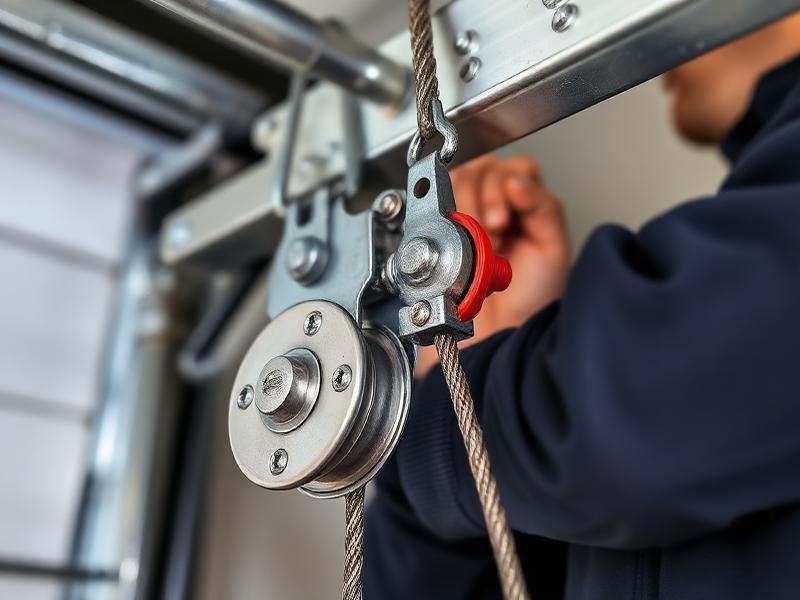
Cables are typically made from strong, flexible steel wire. They run from the bottom bracket of the door up to a drum or pulley system mounted near the top. As the door opens, the cables wind around the drum, lifting the door. When closing, the cables unwind, allowing the door to lower in a controlled manner.
Physics Behind the Lifting Mechanism
The physics of lifting a garage door revolves around the principles of mechanical advantage and counterbalance. Here’s how it works:
- Mechanical Advantage: The drum or pulley system increases the force applied by the springs, making it possible to lift a heavy door with minimal effort.
- Counterbalance: Springs store energy when the door is closed. As you open the door, this energy is released and transferred via the cables, offsetting the door’s weight.
- Distribution of Force: The cables ensure that the lifting force is applied evenly on both sides of the door, preventing it from binding or jamming.
This system allows even a single person to open a large, heavy door with ease, relying on the stored energy in the springs and the efficient transfer of force through the cables.
Types of Garage Door Cable Systems
There are two main types of cable systems used in residential garage doors:
- Torsion Spring Cables: These are found in systems where a torsion spring is mounted above the door. The cables attach to the bottom brackets and wind around drums as the door opens. This setup provides smooth and balanced lifting.
- Extension Spring Cables: Used with extension springs mounted along the horizontal tracks. The cables run through a pulley system, stretching the springs as the door closes and releasing energy as it opens.
Both systems rely on the same fundamental physics but differ in how the force is stored and released. The choice between them depends on door size, available headroom, and installer preference.
Common Issues and Maintenance Tips
Over time, cables can fray, rust, or snap due to constant tension and exposure to the elements. Regular inspection is crucial for safety and performance. Here are some tips to keep your cables in good condition:
- Check for visible signs of wear, such as fraying or broken strands.
- Listen for unusual noises when the door operates, which may indicate cable or drum issues.
- Lubricate cables lightly with a silicone-based spray to prevent rust.
- Replace cables showing significant wear immediately to avoid sudden failure.
For more detailed advice on extending cable life, see this guide on garage door cable best practices.
When to Replace or Repair Garage Door Cables
Knowing when to address cable problems is vital for safety. If you notice the door lifting unevenly, hear snapping sounds, or see slack in the cables, it’s time for action. Attempting to repair or replace cables without proper tools and knowledge can be dangerous due to the high tension involved.
For step-by-step instructions and safety tips, refer to this comprehensive guide to fixing garage door cables. If you’re unsure or uncomfortable with DIY repairs, it’s always best to consult a professional.
You can also learn about frequent problems and troubleshooting by visiting the garage door cable problems resource.
Why Cable Quality and Installation Matter
The effectiveness of the entire lifting system depends on the quality of the cables and the precision of their installation. Using the right gauge and type of cable for your specific door ensures smooth operation and reduces the risk of accidents. Proper installation guarantees that the tension is distributed evenly, preventing premature wear and tear.
If you live in a humid or coastal area, consider reading about garage door cable moisture damage to protect your investment from rust and corrosion.
Frequently Asked Questions
How do garage door cables and springs work together?
The cables serve as the link between the springs and the door. As the springs store and release energy, the cables transfer this force to lift or lower the door. Both components must be in good condition for safe and efficient operation.
What are the signs that my garage door cables need replacement?
Look for frayed wires, visible rust, slack in the cables, or the door moving unevenly. Any of these symptoms indicate that the cables are compromised and should be replaced as soon as possible.
Can I replace garage door cables myself?
While some experienced DIYers attempt cable replacement, it’s a risky job due to the high tension in the system. If you’re not confident or lack the proper tools, it’s safer to contact a professional technician.
How often should garage door cables be inspected?
It’s wise to inspect your cables at least twice a year, especially before and after winter. Regular checks help catch wear and tear early, reducing the risk of sudden failures.
Conclusion
The garage door cable working principle is a blend of physics, engineering, and practical design. By understanding how cables, springs, and pulleys interact, you can better maintain your garage door and ensure safe, reliable operation for years to come. Regular inspections, prompt repairs, and using quality replacement parts are the keys to preventing issues and extending the life of your system.