Understanding how much energy your garage door uses, especially when it stops or operates halfway, can help you manage electricity costs and identify potential issues with your opener system. Many homeowners notice their garage door pausing or stalling midway and wonder if this affects energy use or signals a mechanical problem. This article explores the factors that influence garage door halfway energy consumption, what it means for your utility bill, and how to address common causes for halfway stops.
Along the way, you’ll find practical advice on troubleshooting, maintenance, and optimizing your garage door’s efficiency. For those interested in related sensor issues, you might also find value in our guide on how to fix garage door sensor mounting on metal studs, which covers another common source of garage door malfunctions.
How Garage Door Openers Use Electricity
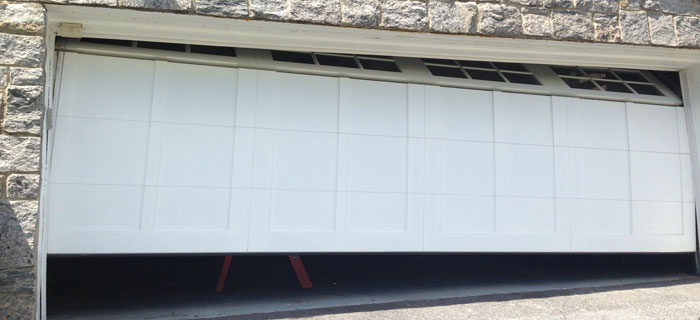
Most residential garage doors are powered by electric openers, which use a motor to raise and lower the door. The energy consumed depends on the motor size, the weight of the door, and how smoothly the system operates. When a garage door is moving, the opener typically draws between 300 to 600 watts. However, if the door stops halfway, the motor may continue to draw power as it attempts to complete the cycle, potentially increasing energy consumption when the garage door is stuck midway.
It’s important to note that modern openers are designed to shut off after a certain period if resistance is detected, preventing excessive energy use and motor burnout. However, older or malfunctioning units may not have this safeguard, leading to unnecessary electricity usage and wear.
Factors Affecting Energy Use When a Garage Door Stops Midway
Several variables influence how much power is consumed when your garage door halts in the middle of its travel:
- Motor Type and Age: Newer, energy-efficient motors consume less power and are better at shutting off when stalled. Older models may keep running, increasing energy draw.
- Door Weight and Balance: Heavier or unbalanced doors require more force, causing the opener to work harder and use more electricity, especially if stuck halfway.
- Obstructions or Track Issues: If something blocks the door or the tracks are misaligned, the motor may keep running against resistance, spiking energy use.
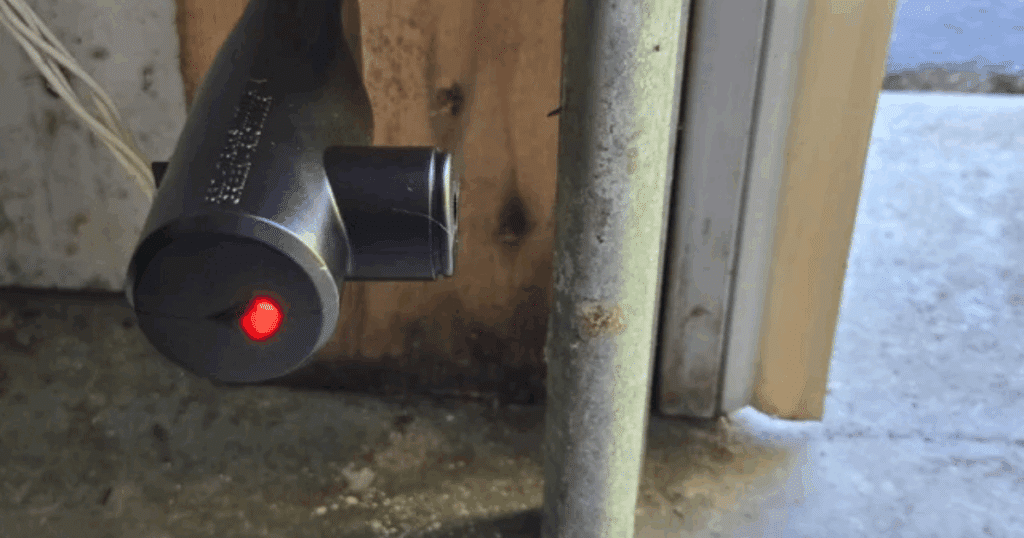
- Sensor Malfunctions: Faulty sensors can cause the door to stop and the opener to cycle repeatedly, leading to higher garage door halfway energy consumption.
For more on sensor-related troubleshooting, see our resource on why is my garage door sensor indicator light missing.
Common Reasons for a Garage Door Stopping Halfway
When your garage door halts in the middle of its path, it’s not just an inconvenience—it can also impact energy usage. Here are some frequent causes:
- Obstructions: Objects in the door’s path or debris in the tracks can trigger the safety mechanism, causing the opener to stop and potentially keep drawing power.
- Sensor Issues: Misaligned or dirty sensors may signal the opener to halt. Learn more about sensor troubleshooting in our article on why is my garage door sensor light turning off and on.
- Spring or Cable Problems: Broken or worn springs and cables can prevent the door from moving smoothly, forcing the motor to work harder and consume more energy.
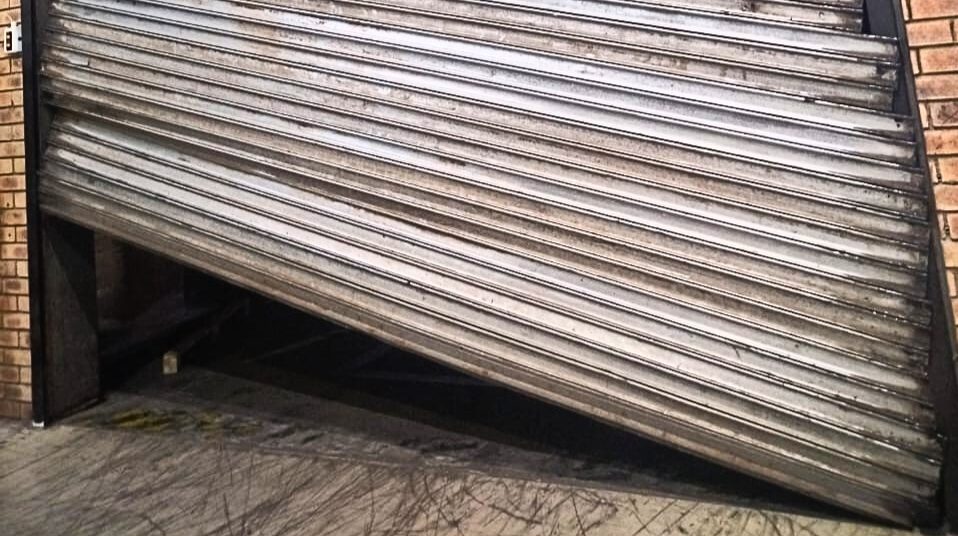
- Track Misalignment: If the tracks are bent or out of alignment, the door may jam, causing the opener to stall and increase electricity use.
- Limit Switch Settings: Incorrect settings can cause the door to stop before reaching the fully open or closed position, leading to repeated attempts and higher power draw.
Addressing these issues promptly not only restores smooth operation but also helps minimize unnecessary energy consumption.
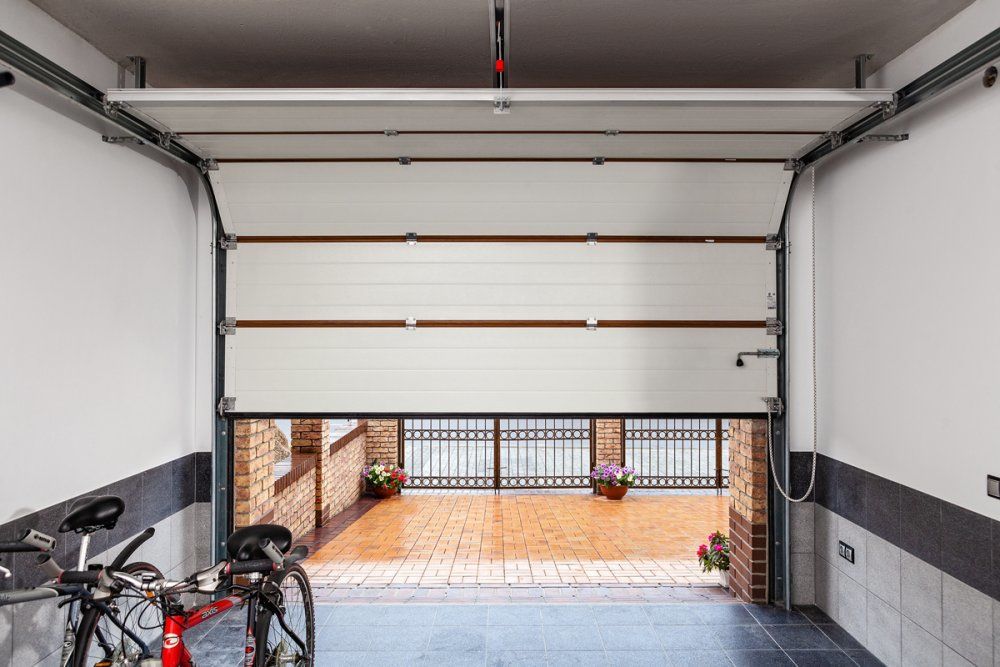
How to Reduce Power Usage When Your Garage Door Stops Halfway
Minimizing energy consumption when your garage door is stuck halfway involves both preventive maintenance and prompt troubleshooting. Here are some practical steps:
- Inspect and Clear Tracks: Regularly check for debris, dirt, or obstructions that could cause the door to jam and force the opener to work harder.
- Lubricate Moving Parts: Use a recommended lubricant spray on rollers, hinges, and springs to ensure smooth movement and reduce motor strain.
- Check and Align Sensors: Make sure the safety sensors are clean and properly aligned to prevent unnecessary stops and repeated opener cycles.
- Adjust Limit Switches: Review your opener’s manual to set the correct open and close limits, preventing the door from stopping prematurely.
- Upgrade to an Efficient Opener: If your opener is old or lacks auto-shutoff features, consider upgrading to a modern, energy-efficient model.
For more detailed troubleshooting, you can refer to this comprehensive guide on fixing garage doors that stop halfway.
Comparing Standby and Operational Energy Use
Garage door openers consume energy even when not in use, known as standby or phantom load. While the power drawn during operation is much higher, the standby mode can add up over time. Typically, standby consumption ranges from 3 to 8 watts, while active operation can spike to 600 watts or more. If your door frequently stops halfway and the opener continues to run or cycle, the operational energy use will be significantly higher than normal.
To further reduce overall electricity use, unplug the opener during extended absences or invest in a unit with low standby consumption.
When to Call a Professional
If you’ve tried basic troubleshooting and your garage door continues to stop midway or the opener seems to run excessively, it may be time to consult a professional. Persistent issues can indicate problems with springs, cables, or the opener’s internal electronics. Attempting complex repairs yourself can be dangerous due to the high tension in garage door systems.
Regular professional maintenance can help ensure your door operates efficiently, minimizing both repair costs and unnecessary garage door halfway energy consumption.
FAQ
Does a garage door opener use more electricity if the door is stuck halfway?
Yes, if the opener continues to run or cycle when the door is stuck, it can consume more electricity than during normal operation. Modern openers often have auto-shutoff features to limit this, but older models may keep drawing power until manually stopped.
What should I do if my garage door keeps stopping in the middle?
Start by checking for obstructions in the tracks, cleaning and aligning the sensors, and lubricating moving parts. If the issue persists, review the opener’s limit settings or consult a professional for further diagnosis.
Can regular maintenance lower my garage door’s energy use?
Absolutely. Keeping tracks clear, lubricating components, and ensuring sensors are aligned all help the opener work efficiently, reducing unnecessary power consumption and extending the life of your system.
Is it safe to unplug my garage door opener to save energy?
Unplugging the opener when you’re away for an extended period can save energy, but remember that you’ll lose remote access and any smart features until it’s plugged back in. For daily use, focus on maintenance and efficient operation instead.