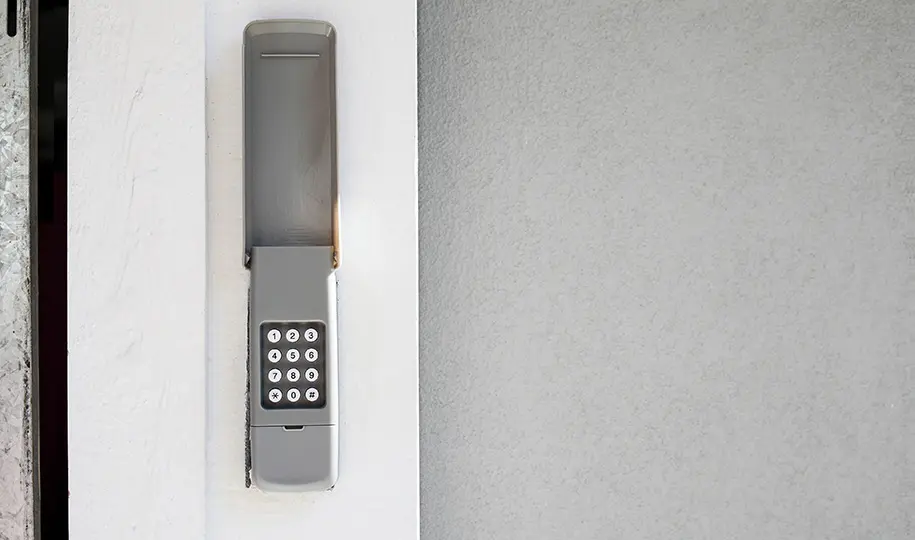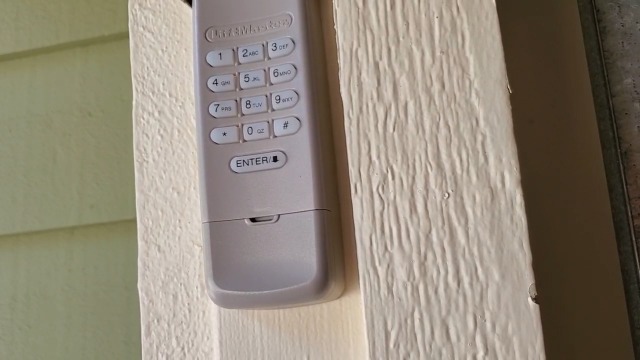
Modern homeowners rely on outdoor keypads for secure and convenient access to their garages. But exposure to weather, dust, and temperature swings can put these devices to the test. Understanding garage door keypad environmental resistance is essential for anyone seeking long-lasting performance and reliable security from their entry system.
This article explores the main factors that affect a keypad’s durability outdoors, the technologies used to protect against the elements, and how to choose a model that stands up to your local climate. For those comparing different brands or models, you may also find value in our garage door keypad quality comparison guide.
What Environmental Resistance Means for Garage Keypads
When evaluating a keypad for outdoor use, environmental resistance refers to its ability to withstand various external conditions without malfunctioning or deteriorating. This includes resistance to:
- Moisture from rain, snow, or humidity
- Temperature extremes (hot summers, freezing winters)
- UV radiation from sunlight
- Dust and debris blown by wind
- Physical impacts such as hail or accidental bumps
Manufacturers use a combination of design features and materials to protect keypads from these hazards. For a deeper look at how these products are tested, see our article on garage door keypad testing methods.
Key Features That Enhance Outdoor Durability
Not all keypads are created equal when it comes to surviving the outdoors. Here are the most important features to look for:
Weatherproof Housings
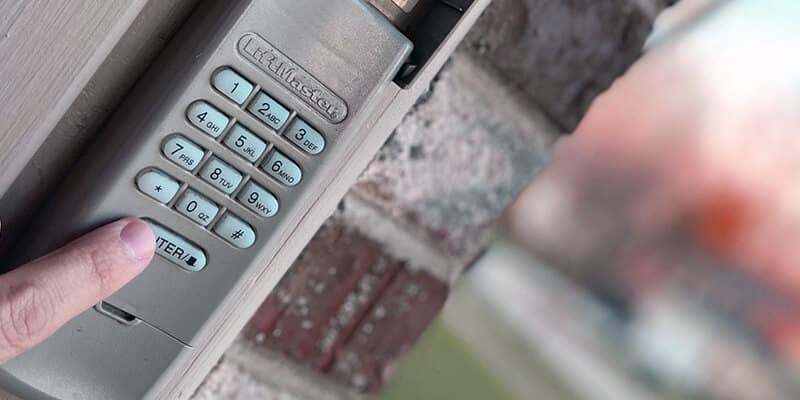
The outer shell is your keypad’s first line of defense. High-quality models use tightly sealed enclosures made from UV-stabilized plastics or powder-coated metals. Gaskets and rubber seals around buttons and battery compartments help keep water and dust out.
Sealed Electronics
Internal circuit boards are often coated with conformal materials to prevent corrosion from moisture. Some advanced models use potting compounds that fully encase sensitive electronics, offering superior protection against water ingress and condensation.
Wide Operating Temperature Range
Outdoor keypads should function reliably in both extreme cold and heat. Look for devices rated for operation from at least -20°F to 120°F (-29°C to 49°C). This ensures the keypad won’t freeze up in winter or overheat in direct sunlight.
UV-Resistant Materials
Sunlight can cause plastics to become brittle and fade over time. UV-stabilized materials help maintain the keypad’s appearance and structural integrity, even after years of exposure.
Ingress Protection (IP) Ratings
Some manufacturers provide an IP rating, which indicates the level of protection against solids and liquids. For example, an IP54 rating means the device is protected from most dust and splashing water. Higher numbers offer greater resistance.
Common Environmental Challenges for Garage Keypads
Even with robust construction, outdoor keypads face several environmental threats:
- Rain and Snow: Water can seep into poorly sealed units, causing short circuits or sticky buttons.
- Freezing Temperatures: Cold weather can drain batteries faster and make plastic brittle.
- Heat and Sun: Prolonged sun exposure may warp enclosures or fade button labels.
- Dust and Debris: Wind-blown particles can clog buttons or infiltrate the housing.
- Insects: Small gaps can allow bugs to nest inside, potentially damaging electronics.
Regular maintenance and choosing a keypad with strong environmental protections are the best ways to avoid these issues. For more on safe installation and handling, check out our tips on garage door keypad safety precautions.
How to Evaluate Environmental Resistance When Shopping
When selecting a new keypad, consider these steps to ensure it will withstand your local conditions:
- Check for Weatherproof Ratings: Look for IP ratings or explicit claims of water and dust resistance in the product description.
- Review Operating Temperature Range: Make sure the device is rated for the hottest and coldest temperatures in your region.
- Examine Build Quality: Inspect photos or, if possible, handle the product in person to assess the tightness of seals and sturdiness of materials.
- Read User Reviews: See how the keypad performs in real-world conditions, especially from users in climates similar to yours.
- Compare Brands: Some brands are known for superior outdoor performance. For a breakdown of top models, see this review of the best garage door openers for 2025.
Installation Tips for Maximum Weather Protection
Even the most rugged keypad can fail if installed incorrectly. Here are some practical tips to maximize environmental resistance:
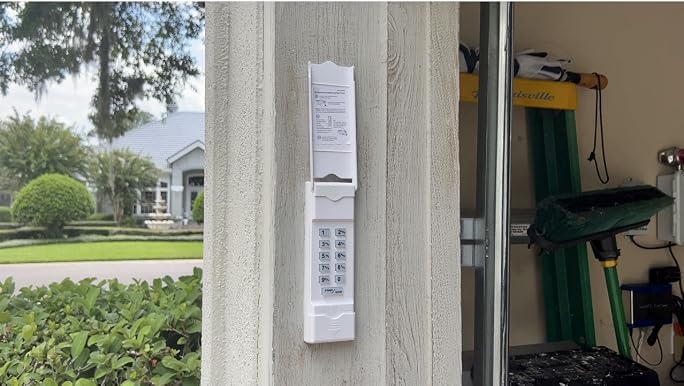
- Mount the keypad under an eave or awning to shield it from direct rain and sun.
- Ensure the mounting surface is flat and clean to allow gaskets to seal properly.
- Use weatherproof sealant around screw holes if mounting on rough surfaces like brick or stucco.
- Replace batteries with high-quality, temperature-resistant types as recommended by the manufacturer.
- Periodically inspect for cracks, loose seals, or signs of water ingress.
Maintaining Your Keypad’s Environmental Protection
Routine care helps extend the life of your outdoor keypad. Here’s how to keep it working reliably:
- Wipe down the exterior with a damp cloth to remove dirt and debris.
- Check for and remove any insect nests or cobwebs around the housing.
- Inspect seals and gaskets for wear or cracking, replacing them if needed.
- Test the keypad after severe weather events to ensure all buttons function properly.
- Replace batteries at least once a year, or as soon as you notice reduced performance.
If you have questions about common misconceptions, our resource on garage door keypad myths explained can help clarify what to expect from your device.
Frequently Asked Questions
How do I know if my garage keypad is weatherproof?
Check the product specifications for an IP rating or mention of weatherproof, waterproof, or dustproof features. If this information is missing, consult the manufacturer or look for user reviews discussing outdoor performance.
Can extreme cold or heat damage my keypad?
Yes, temperature extremes can affect both the electronics and the battery life. Choose a keypad rated for your climate and replace batteries with ones designed for high or low temperatures as needed.
What should I do if water gets inside my keypad?
Remove the keypad from its mount, open the battery compartment, and let it dry completely before reinstalling. If the device does not work after drying, you may need to replace it to maintain security.
Are some keypads better for harsh climates?
Yes, some models are specifically designed for high-humidity, coastal, or extremely cold environments. Look for those with higher IP ratings, UV-resistant materials, and wide temperature operating ranges.
Conclusion
Selecting a keypad with strong environmental resistance ensures reliable access and security for your garage, no matter the weather. By understanding the protective features, evaluating product ratings, and following good installation and maintenance practices, you can maximize the lifespan and performance of your outdoor entry system. For more answers to common questions, see our comprehensive garage door keypad FAQs.