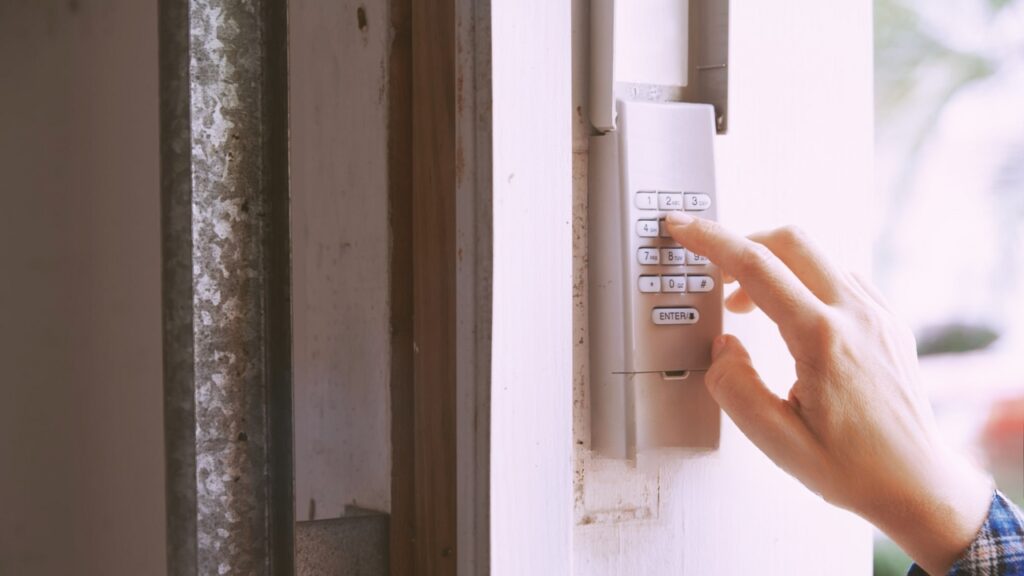
When temperatures drop, many homeowners discover that their garage door keypads become unreliable or stop working entirely. This issue is especially common in colder climates, where freezing temperatures can cause keypads to malfunction or become unresponsive. Understanding why this happens and how to address it can help you avoid frustration and keep your garage accessible all winter long.
In this article, we’ll explore the main reasons for garage door keypad freezing in cold weather, practical troubleshooting steps, and effective solutions to keep your entry system working smoothly. We’ll also discuss preventative measures and when it might be time to consider a replacement or upgrade.
If you’re also dealing with sensor issues, you might find this guide on how to fix garage door sensor mounting on metal studs helpful for related troubleshooting.
Common Causes of Keypad Malfunction in Low Temperatures
Cold weather can impact your garage door keypad in several ways. The most frequent reasons for keypad problems during winter include:
- Battery performance drops: Cold temperatures reduce battery efficiency, causing weak signals or complete failure.
- Condensation and moisture: Fluctuating temperatures can lead to condensation inside the keypad, resulting in short circuits or sticky buttons.
- Frozen or brittle components: Plastic and rubber parts may become stiff or brittle, making buttons hard to press or causing them to crack.
- Worn-out weather seals: If the keypad’s weatherproofing is compromised, moisture and cold air can penetrate the unit more easily.
How Freezing Temperatures Affect Garage Door Keypads
The technology inside most keypads is designed to operate within a certain temperature range. When exposed to extreme cold, several issues can arise:
- Electrical resistance increases, making it harder for the keypad to send a reliable signal to the opener.
- LCD screens (if present) may become sluggish or unreadable.
- Internal circuitry can develop condensation, leading to corrosion or shorting out.
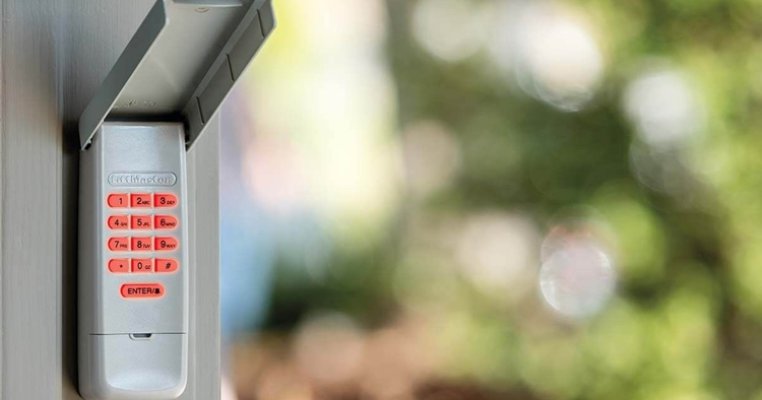
Troubleshooting a Non-Responsive Keypad in Winter
If your keypad stops working when it’s cold, try these steps before assuming it’s broken:
- Check the batteries: Replace old batteries with fresh, high-quality alkaline or lithium batteries, which perform better in low temperatures.
- Inspect for visible damage: Look for cracks, broken seals, or signs of water ingress.
- Warm up the keypad: If possible, gently warm the keypad with your hands or a warm (not hot) cloth to see if it becomes responsive.
- Test the signal: Try operating the garage door from a remote or wall button to rule out opener issues.
- Reset the keypad: Consult your manufacturer’s instructions for resetting or reprogramming the keypad.
If you notice blinking lights or intermittent operation, it could also be related to sensor issues. For more on this, see the article on why is my garage door sensor light blinking twice.
Preventing Keypad Freezing and Malfunctions
Proactive steps can help you avoid keypad problems during the winter months. Here’s what you can do:
- Install a weatherproof cover: Many keypads are designed to be weather-resistant, but an extra cover can shield against snow, ice, and wind.
- Use lithium batteries: These batteries maintain voltage better in freezing conditions compared to standard alkaline types.
- Seal gaps: Ensure that the keypad is mounted securely and that any openings are sealed with silicone or weatherproof tape.
- Regular maintenance: Clean the keypad gently to remove dirt, salt, or debris that could trap moisture.
- Upgrade to a newer model: Modern keypads often have improved weatherproofing and electronics designed for harsh climates.
For additional tips on electrical troubleshooting, you can read about how to fix garage door sensor wiring using electrical tape.
When to Replace Your Garage Door Keypad
Sometimes, repeated freezing and thawing cycles can permanently damage a keypad. Consider replacement if:
- The keypad is more than 8–10 years old and frequently malfunctions in cold weather.
- Buttons are cracked, stuck, or unresponsive even after warming up and changing batteries.
- There is visible corrosion or water damage inside the unit.
- Resetting and reprogramming does not restore normal function.
When shopping for a replacement, look for models rated for outdoor use in your climate zone. For a comparison of the latest options, check out this guide to the best garage door openers for 2025.
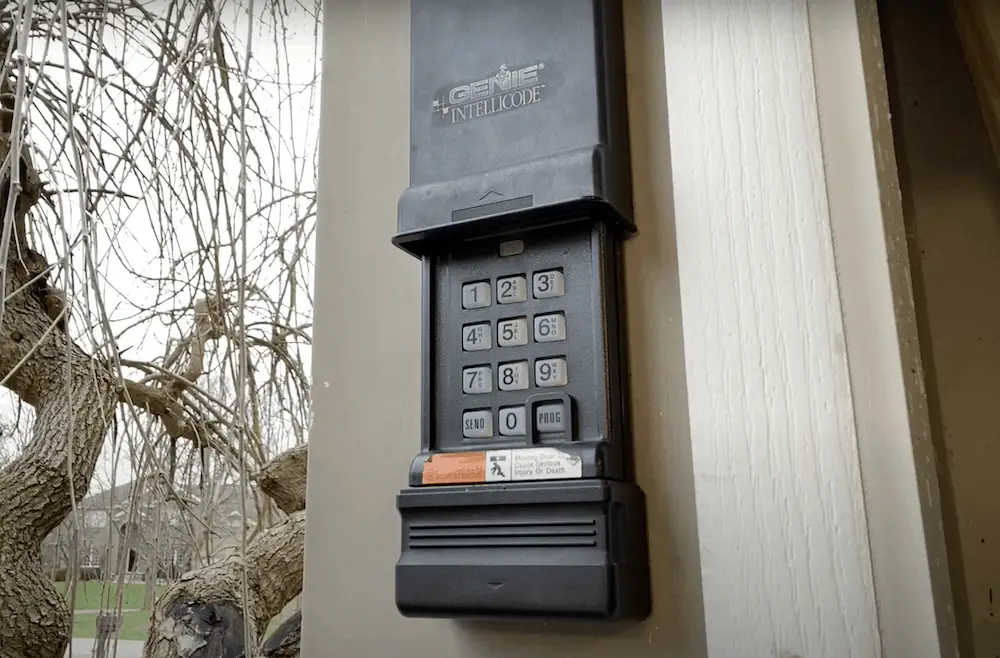
Additional Tips for Reliable Winter Operation
To further reduce the risk of keypad issues during cold snaps, consider these best practices:
- Test your keypad regularly throughout the winter so you can address issues before they become emergencies.
- Keep a spare key or remote accessible in case your keypad fails unexpectedly.
- Monitor for condensation after snow or freezing rain, and gently dry the keypad if you notice moisture buildup.
- Consider smart garage door solutions that allow you to control access via smartphone, reducing reliance on outdoor keypads.
If you’re experiencing humming or buzzing noises from your garage door system in winter, you may also want to review advice on how to fix garage door sensor hum or buzz.
FAQ: Cold Weather and Garage Door Keypads
Why does my garage door keypad only stop working when it’s cold?
Most keypads use batteries and electronic components that are sensitive to temperature changes. In cold weather, batteries lose capacity and internal parts may contract or become brittle, leading to unresponsive buttons or signal loss.
Can I prevent my keypad from freezing up?
Yes, you can minimize problems by using lithium batteries, installing a weatherproof cover, sealing gaps, and performing regular maintenance. Upgrading to a newer, weather-resistant model can also help.
Is it safe to use a hair dryer or heat gun to thaw a frozen keypad?
It’s best to avoid direct heat sources like hair dryers or heat guns, as they can damage plastic parts or cause condensation inside the unit. Instead, gently warm the keypad with your hands or a warm cloth.
Should I replace my keypad if it keeps freezing every winter?
If you’ve tried all troubleshooting and preventative steps but the keypad continues to fail in cold weather, replacing it with a modern, weatherproof model is recommended for reliable access.