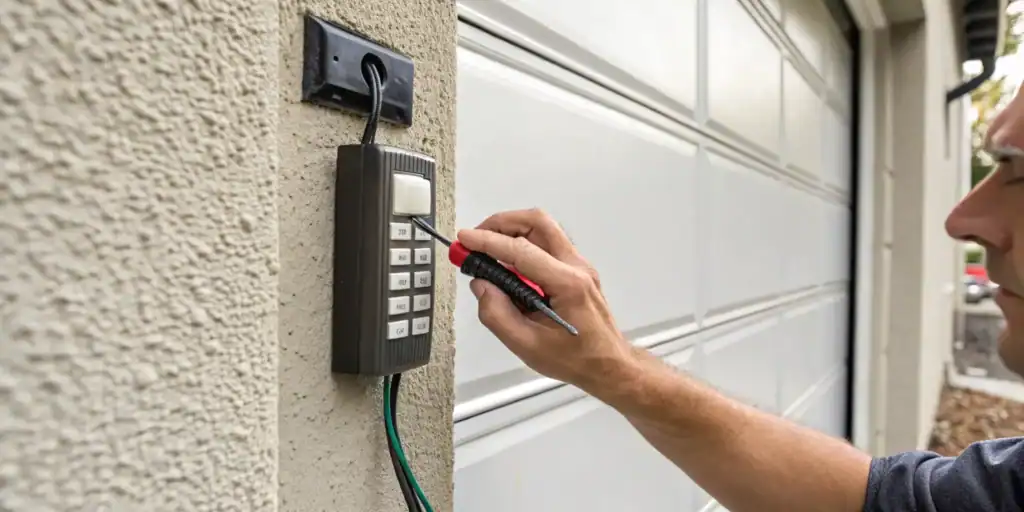
Understanding how your garage door keypad keeps your home secure is important for any homeowner. Modern systems use technology that goes far beyond simple codes, and one of the most effective features is the rolling code mechanism. If you’ve ever wondered what makes your keypad safer than older models, or why it’s so hard for others to copy your access code, this article will break down the essentials in plain language.
We’ll look at how these systems work, why they’re considered a major upgrade in security, and what you need to know about maintaining or troubleshooting your keypad. If you’re considering a new installation or just want to understand the technology behind your current setup, you’ll find clear, practical answers here.
For those troubleshooting related issues, you may also want to check out our guide on how to fix garage door sensor mounting on metal studs.
What Is a Rolling Code Garage Door Keypad?
A rolling code system, sometimes called a “hopping code,” is a security feature used in many modern garage door openers and keypads. Instead of sending the same code to your garage door opener every time you press a button, the keypad and opener use an algorithm to generate a new code for each use. This prevents would-be intruders from capturing and reusing your code with a device known as a code grabber.
When you enter your PIN or press your remote, the keypad sends a unique, encrypted code to the opener. The opener recognizes the code, opens the door, and both devices move on to the next code in their shared sequence. This process repeats every time, making it nearly impossible for anyone to predict or duplicate your access code.
How Rolling Code Technology Works
The heart of this technology lies in its synchronization. Both your keypad (or remote) and the garage door opener are programmed with the same algorithm and starting point. Each time you use the keypad, both devices advance to the next code in the sequence. If you press the button out of range, the opener will still recognize a certain number of future codes, so you won’t get locked out.
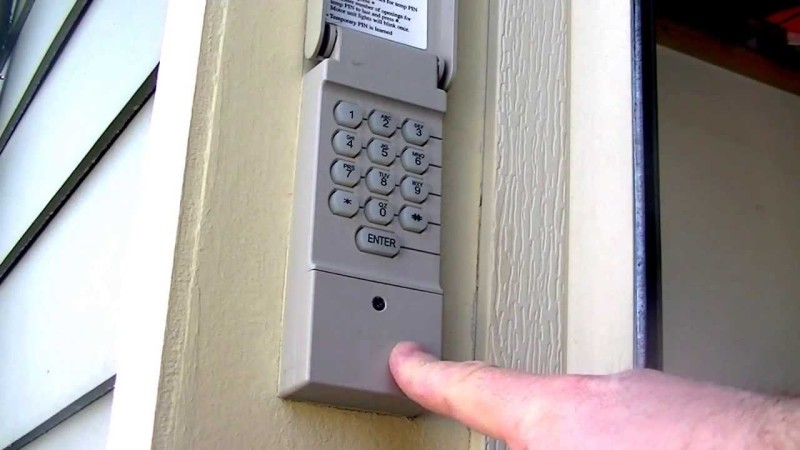
This approach is a significant improvement over fixed code systems, where a single code is used repeatedly. Fixed codes are vulnerable to interception, but with rolling codes, even if someone records your signal, it will be useless the next time you use your keypad.
Benefits of Rolling Code Keypads for Garage Security
The main advantage of a rolling code garage door keypad is enhanced security. Here’s why these systems are considered the gold standard:
- Prevents Code Theft: Since the code changes every time, code grabbers are rendered ineffective.
- Reduces Risk of Unauthorized Entry: Only devices programmed with the correct algorithm and sequence can open the door.
- Easy to Use: For the homeowner, there’s no extra effort—just enter your PIN or press your remote as usual.
- Widely Supported: Most major brands, including LiftMaster, Chamberlain, and Craftsman, use this technology in their newer models.
If you’re interested in a deeper dive into garage door opener keypads and their security features, you can read this comprehensive guide to garage door opener keypads.
Programming and Syncing Your Keypad
Setting up a rolling code keypad is usually straightforward, but it’s important to follow the manufacturer’s instructions closely. The process typically involves:
- Pressing a “learn” button on your garage door opener motor unit.
- Entering a chosen PIN on the keypad within a set time frame.
- Waiting for the opener to confirm the pairing, often with a light or beep.
If you ever replace your keypad or remote, you’ll need to repeat this process to ensure both devices are synchronized. This keeps your system secure and prevents accidental lockouts.
Troubleshooting Common Issues with Rolling Code Keypads
Even with advanced security, you might encounter occasional problems. Here are some common issues and solutions:
- Keypad Not Responding: Check the battery and replace it if necessary. Ensure the keypad is within range of the opener.
- Code Not Accepted: Reprogram the keypad following the manufacturer’s steps. Sometimes, interference or a missed code can cause desynchronization.
- Multiple Devices Not Working: If you have several remotes or keypads, re-sync all devices to the opener to restore proper function.
- Security Light Blinking: This may indicate a programming error or a sensor issue. For sensor troubleshooting, see our article on why is my garage door sensor light blinking twice.
Rolling Code vs. Fixed Code: Key Differences
It’s worth highlighting how rolling code systems differ from older fixed code models:
| Feature | Rolling Code | Fixed Code |
|---|---|---|
| Security | High – code changes every use | Low – same code reused |
| Vulnerability | Resistant to code grabbers | Susceptible to interception |
| Setup | Simple programming, automatic sync | Manual code setting, no sync |
| Compatibility | Most modern systems | Older models only |
Maintaining and Upgrading Your Garage Door Keypad
To keep your rolling code keypad functioning optimally:
- Replace batteries regularly and keep the keypad clean.
- Reprogram the keypad if you suspect a security breach or after replacing the opener.
- Consider upgrading if your system is more than 10 years old or uses fixed codes.
- Check for firmware updates or compatibility notes from your manufacturer.
If you’re dealing with wiring or sensor issues during maintenance, our resource on how to fix garage door sensor wiring using electrical tape may be helpful.
FAQ: Rolling Code Garage Door Keypads
How do I know if my garage door keypad uses rolling code technology?
Most keypads and remotes manufactured after the mid-1990s use rolling code technology. Check your product manual or look for terms like “Security+,” “rolling code,” or “hopping code” on your device or in the documentation. If unsure, contact your manufacturer for confirmation.
Can someone hack my rolling code garage door keypad?
While no system is completely immune to hacking, rolling code technology is highly resistant to common attacks like code grabbing. The constantly changing codes make it extremely difficult for unauthorized users to gain access.
What should I do if my keypad stops working after a battery change?
If your keypad isn’t responding after replacing the battery, try reprogramming it to the opener. Sometimes, a battery change can reset the memory or desynchronize the code sequence. Follow your manufacturer’s instructions for re-pairing the keypad.
Is it possible to add multiple keypads or remotes to one opener?
Yes, most modern openers allow you to program multiple keypads and remotes. Each device will share the rolling code sequence with the opener, ensuring secure access for all authorized users.
What are the signs that my keypad or opener needs replacing?
Frequent malfunctions, unresponsive buttons, or outdated security features (such as fixed code technology) are signs it may be time for an upgrade. Newer models offer better reliability and enhanced protection.