A malfunctioning garage door keypad can be a major inconvenience, especially when you rely on it for daily access. One of the most common issues homeowners encounter is garage door keypad stuck buttons. When the buttons on your keypad become unresponsive or get jammed, it can prevent you from opening or closing your garage door reliably. Understanding the causes and solutions for this problem can save you time, money, and frustration.
In this guide, we’ll cover the most frequent reasons why keypad buttons get stuck, practical troubleshooting steps, and when it’s time to consider a replacement. We’ll also touch on related garage door issues, such as how to fix garage door sensor mounting on metal studs, for a more comprehensive approach to garage door maintenance.
Common Causes of Stuck Garage Door Keypad Buttons
Several factors can lead to unresponsive or jammed buttons on your garage keypad. Identifying the root cause is the first step toward a solution. Here are some of the most frequent culprits:
- Dirt and Debris: Dust, grime, and other particles can accumulate between the buttons, causing them to stick or fail to register presses.
- Weather Exposure: Outdoor keypads are subject to rain, snow, and temperature fluctuations, which can lead to moisture ingress or button warping.
- Wear and Tear: Over time, frequent use can wear down the button mechanisms or the rubber membrane beneath.
- Electrical Issues: Corroded contacts, weak batteries, or faulty wiring can make buttons appear stuck when the issue is actually electrical.
- Physical Damage: Dropping or striking the keypad can misalign internal components, leading to sticky or non-responsive buttons.
Initial Troubleshooting Steps for Sticky Keypad Buttons
Before considering a replacement, try these practical steps to resolve stuck or unresponsive buttons on your garage entry keypad:
- Clean the Keypad Surface: Use a soft, damp cloth to wipe away dirt or residue. For stubborn grime, a cotton swab dipped in rubbing alcohol can help clean around the buttons.
- Inspect for Visible Damage: Check for cracks, warping, or other signs of physical damage. If the keypad is visibly broken, replacement may be necessary.
- Remove and Reinstall Batteries: Weak or corroded batteries can cause malfunction. Remove the battery cover, clean any corrosion with a dry cloth, and install fresh batteries.
- Test Button Functionality: Press each button individually. If only certain buttons are stuck, focus your cleaning efforts there.
- Let the Keypad Dry: If moisture is suspected, allow the keypad to dry out completely before further use.
Deeper Cleaning and Maintenance for Keypad Buttons
If basic cleaning doesn’t resolve the issue, a more thorough approach may be needed. Here’s how to perform a deeper clean:
- Remove the Keypad from Its Mount: Most keypads are held in place with a few screws. Carefully remove the unit from the wall or door frame.
- Open the Keypad Housing: Use a small screwdriver to open the casing. Take care not to damage internal components.
- Clean the Button Contacts: Gently wipe the circuit board and button contacts with a soft, dry cloth. If corrosion is present, a pencil eraser can help remove it.
- Check the Rubber Membrane: If the rubber layer beneath the buttons is torn or worn out, it may need to be replaced.
- Reassemble and Test: After cleaning, reassemble the keypad and test each button before remounting.
Regular maintenance, such as periodic cleaning and battery replacement, can help prevent button issues in the future.
When to Replace Your Garage Door Keypad
Sometimes, even with diligent cleaning and troubleshooting, the keypad remains unreliable. Here are signs it’s time for a new unit:
- Multiple buttons remain unresponsive after cleaning.
- The keypad is physically cracked, warped, or water-damaged.
- Internal components are corroded beyond repair.
- The keypad is over 10 years old and frequently malfunctions.
Modern keypads offer enhanced security and features, making replacement a worthwhile investment if your current unit is failing.
Preventing Future Keypad Button Problems
To avoid recurring issues with stuck or unresponsive buttons, consider these preventive measures:
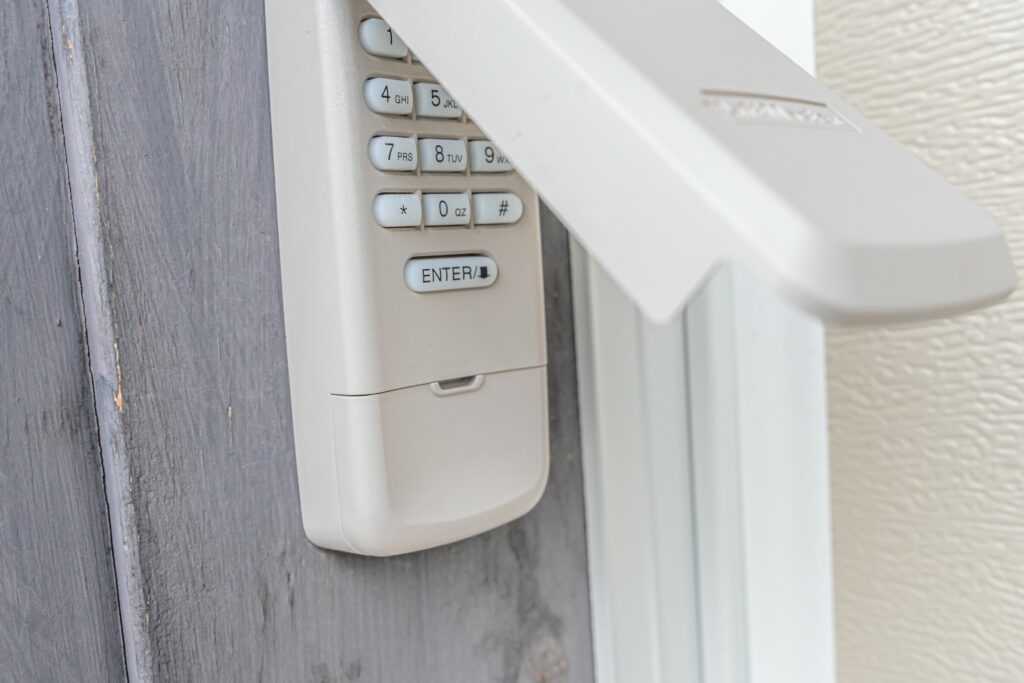
- Install a Weather Cover: Protect your keypad from rain, snow, and direct sunlight with a simple weather shield.
- Regularly Clean the Keypad: Wipe down the surface and buttons every few months to prevent buildup of dirt and debris.
- Replace Batteries Annually: Fresh batteries ensure consistent electrical contact and reduce the risk of corrosion.
- Check for Insect Intrusion: Seal any gaps to prevent bugs from nesting inside the keypad housing.
- Upgrade When Needed: If your keypad is outdated or frequently problematic, consider upgrading to a newer, more reliable model.
Related Garage Door Troubleshooting Resources
Button issues are just one aspect of garage door maintenance. If you’re experiencing other problems, such as sensor malfunctions, you may find these resources helpful:
- Learn why your garage door sensor indicator light might be missing and how to address it.
- Discover how to fix garage door sensor shifting due to temperature for reliable operation year-round.
- Find out how to fix garage door sensor bracket bending and damage to keep your system secure.
- Understand why your garage door sensor light is turning off and on and what it means for your opener’s performance.
For a comprehensive overview of keypad types, features, and installation tips, check out the ultimate guide to garage door keypads.
Frequently Asked Questions
What should I do if only one button on my keypad is stuck?
Focus your cleaning efforts on the affected button. Use a cotton swab with rubbing alcohol to clean around its edges. If the problem persists after cleaning, the internal membrane or contact may be damaged, and you might need to open the keypad for a deeper inspection or consider replacing the unit.
Can weather affect my garage keypad’s performance?
Yes, exposure to rain, snow, and extreme temperatures can cause moisture to enter the keypad or warp the buttons, leading to sticking or malfunction. Installing a weather cover and performing regular maintenance can help protect your keypad from the elements.
Is it safe to open and clean the inside of my garage door keypad?
Most keypads can be safely opened with a screwdriver, but always disconnect the power (remove batteries) before attempting internal cleaning. Handle the circuit board and components gently to avoid damage. If you’re unsure or the keypad is under warranty, consult the manufacturer or a professional technician.
When should I replace my garage door keypad instead of repairing it?
If multiple buttons remain unresponsive after cleaning, the unit is physically damaged, or you notice extensive corrosion inside, it’s usually more cost-effective and secure to replace the keypad. Newer models also offer improved features and reliability.