Outdoor keypads for garage doors are designed for convenience, but exposure to the elements can lead to a range of problems. From rain and humidity to extreme cold and direct sunlight, weather conditions can cause malfunctions, reduce lifespan, and even compromise security. Understanding how environmental factors impact these devices is essential for homeowners who want to keep their garage access reliable and safe.
In this article, we’ll break down the most common causes and symptoms of garage door keypad weather damage, offer practical prevention tips, and explain how to troubleshoot and fix weather-related issues. If you’re also interested in related garage door technology topics, you might find our guide on how to check garage door sensor voltage helpful for broader maintenance.
How Weather Affects Garage Door Keypads
Outdoor keypads are exposed to a variety of weather conditions throughout the year. Each type of weather brings its own risks and can affect the performance and longevity of your keypad in different ways.
- Rain and Moisture: Water can seep into the keypad housing, leading to short circuits, corrosion of internal components, and sticky or unresponsive buttons.
- Extreme Temperatures: Both freezing cold and intense heat can cause the plastic casing to crack, LCD displays to malfunction, and batteries to drain faster.
- Humidity: High humidity levels can result in condensation inside the keypad, which may cause erratic behavior or complete failure.
- Direct Sunlight: UV rays can degrade the keypad’s plastic, fade button labels, and cause warping or brittleness over time.
- Wind and Debris: Dust, dirt, and debris carried by wind can accumulate inside the keypad, interfering with electrical contacts and making buttons stick.
Common Signs of Weather-Related Keypad Issues
Recognizing the symptoms of weather damage to a garage door keypad early can help you address problems before they become severe. Here are some warning signs to watch for:
- Unresponsive or intermittent buttons: If some or all buttons stop working, moisture or corrosion may be affecting the contacts.
- Faded or cracked casing: Prolonged sun exposure or temperature extremes can degrade the keypad’s exterior.
- Erratic operation: The keypad may send random signals or fail to communicate with the opener, often due to internal condensation or water ingress.
- Visible rust or corrosion: Check the battery compartment and circuit board for signs of rust or greenish corrosion.
- Battery drain: If you’re replacing batteries more often than usual, moisture may be causing a short circuit.
Preventing Garage Door Keypad Weather Damage
Taking proactive steps can help you avoid the most common problems caused by the elements. Here are some practical ways to protect your keypad:
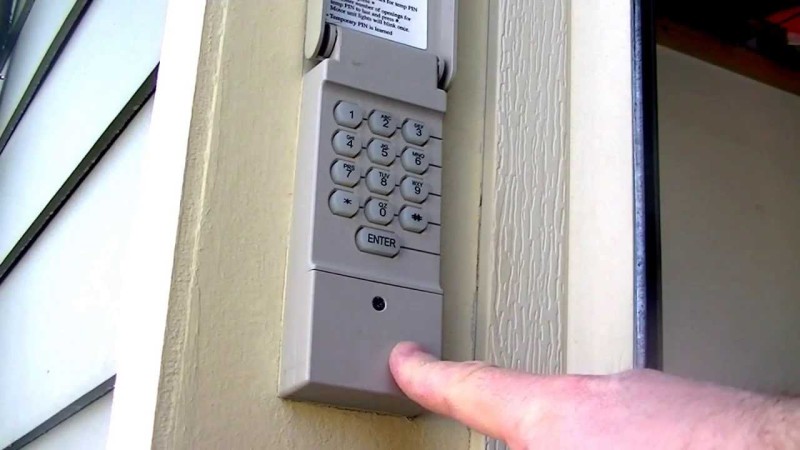
- Install a Protective Cover: Many manufacturers offer weather-resistant covers or hoods that shield the keypad from rain and direct sunlight.
- Choose a Sheltered Location: If possible, mount the keypad in a spot that’s naturally protected by an overhang or side wall.
- Seal Around the Edges: Use weatherproof silicone or gasket material to seal gaps between the keypad and the wall, preventing water ingress.
- Regular Maintenance: Wipe the keypad clean, check for cracks, and inspect the battery compartment for moisture or corrosion every few months.
- Upgrade to a Weather-Resistant Model: Some keypads are specifically designed to withstand harsh climates, with improved sealing and UV-resistant materials.
For more tips on protecting sensitive garage door components from environmental factors, our article on how to install garage door sensor sun shields covers sun protection strategies that can be adapted for keypads as well.
Troubleshooting and Fixing Weather-Related Keypad Problems
If your keypad is already showing signs of trouble, there are several steps you can take before considering a replacement:
- Dry Out the Unit: Remove the keypad from its mount and open the battery compartment. Allow it to air dry indoors for at least 24 hours if you suspect moisture is inside.
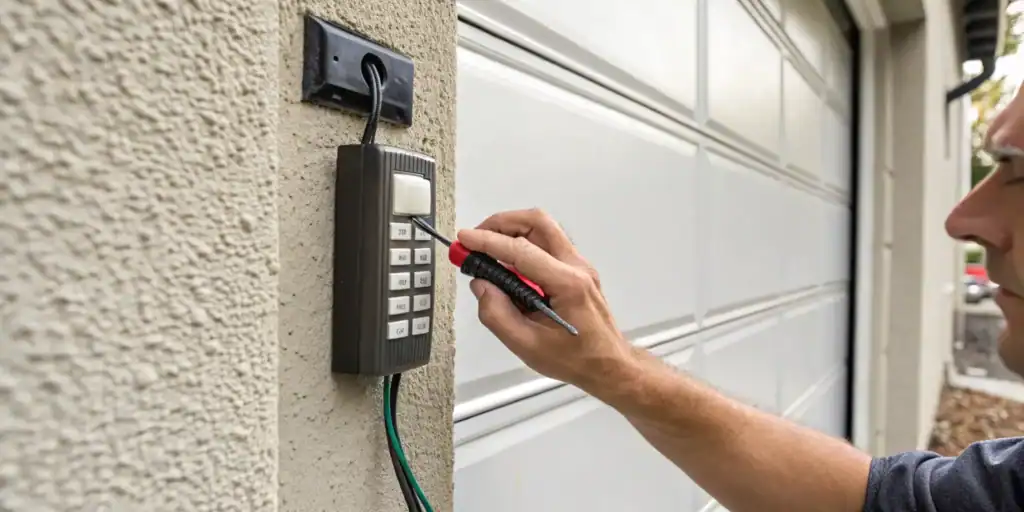
- Clean Corroded Contacts: Use a cotton swab and a small amount of rubbing alcohol to gently clean battery terminals and circuit board contacts.
- Replace Batteries: Always use fresh, high-quality batteries. If the issue persists, check for signs of corrosion or leakage.
- Inspect for Cracks: If the casing is damaged, water may be entering the unit. Small cracks can sometimes be sealed with waterproof tape as a temporary fix.
- Reprogram the Keypad: Weather-related glitches can sometimes disrupt programming. Follow your manufacturer’s instructions to reset and reprogram the device.
If these steps don’t resolve the issue, it may be time to invest in a new unit. For a comprehensive overview of keypad options, check out this essential guide to garage door opener keypads for advice on features and installation.
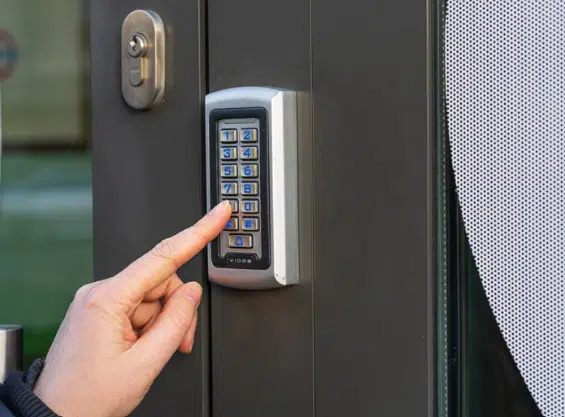
When to Replace Your Keypad After Weather Exposure
Even with the best care, outdoor keypads can eventually succumb to the elements. Here are some signs that it’s time to replace your device:
- Repeated failures: If the keypad frequently stops working despite troubleshooting, internal components may be permanently damaged.
- Severe corrosion: Rust or greenish deposits on the circuit board or battery contacts are often irreversible.
- Physical deterioration: Cracked, warped, or faded plastic can compromise the keypad’s weather resistance and security.
- Outdated technology: Older models may lack modern weatherproofing or security features, making an upgrade worthwhile.
If you’re experiencing persistent issues, consider replacing your keypad with a weather-resistant model. This can restore reliable access and improve your garage’s overall security.
Related Considerations for Garage Door Systems
Weather can affect more than just your keypad. Sensors, openers, and even the door itself are vulnerable to environmental factors. For example, moisture and humidity can disrupt sensor function, as discussed in our resource on how to fix garage door sensor moisture problems. Understanding the broader impact of weather on your garage system helps ensure long-term reliability.
Frequently Asked Questions
Can I waterproof my existing garage door keypad?
While you can’t make a standard keypad completely waterproof, you can improve its resistance by installing a weatherproof cover, sealing gaps with silicone, and mounting it in a sheltered location. For best results, consider upgrading to a model specifically designed for outdoor use.
What should I do if my keypad stops working after heavy rain?
First, remove the keypad from its mount and take out the batteries. Allow the unit to dry indoors for at least 24 hours. Clean any visible corrosion and replace the batteries with fresh ones. If the problem persists, the internal circuitry may be damaged and the keypad may need to be replaced.
How often should I inspect my garage door keypad for weather damage?
It’s a good idea to check your keypad every three to six months, especially after severe weather events. Look for signs of moisture, corrosion, cracks, or fading, and address any issues promptly to extend the life of your device.