Ensuring your garage door sensors work seamlessly with your opener is essential for both safety and convenience. If you’re considering replacing faulty sensors or upgrading to a new system, it’s important to understand how to check if garage door sensors are compatible with opener models. Compatibility issues can lead to malfunctioning doors, safety hazards, or wasted time and money on returns. This guide will walk you through the key steps, signs, and resources to help you make the right choice for your garage door setup.
Before diving into the details, it’s helpful to know that sensor compatibility depends on several factors, including the make and model of your opener, wiring types, sensor technology, and even the year of manufacture. By following a systematic approach, you can avoid common pitfalls and ensure your garage door system remains reliable and safe.
For those dealing with tricky installations, such as mounting sensors on metal studs, you might find this resource on how to fix garage door sensor mounting on metal studs helpful early in your process.
Understanding Garage Door Sensor Compatibility
Garage door sensors are designed to prevent the door from closing if an object or person is detected in the path. However, not all sensors are universal. Manufacturers often use proprietary technologies, connectors, and wiring standards. To determine if a sensor will work with your opener, you’ll need to consider:
- Brand and Model – Most sensors are only compatible with openers from the same manufacturer.
- Year of Manufacture – Technology and wiring can change over time, even within the same brand.
- Connector Type – Some use plug-in connectors, while others require direct wiring.
- Sensor Technology – Infrared, photo-eye, and other sensor types may not be interchangeable.
Review your opener’s manual or the label on the opener unit itself for details. If you don’t have the manual, many manufacturers provide online compatibility charts or support pages.
Steps to Verify Sensor and Opener Compatibility
To confidently determine if a new sensor will work with your garage door opener, follow these steps:
-
Identify Your Opener’s Make and Model
Locate the manufacturer’s label on your opener. This typically lists the brand, model number, and sometimes the year of manufacture. Write down this information before shopping for sensors. -
Check the Sensor Type and Connector
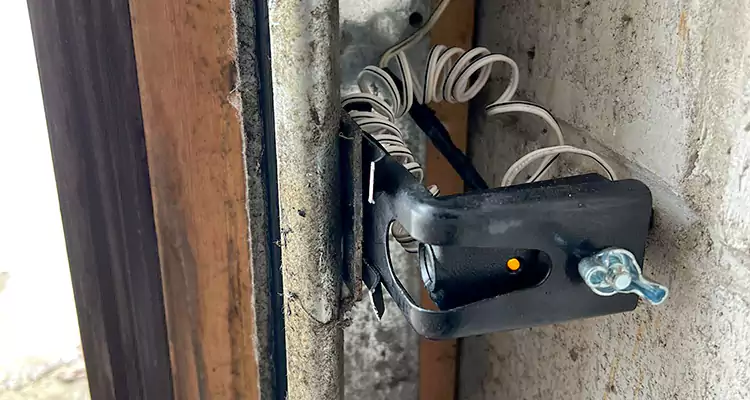
Inspect your current sensors. Are they wired or wireless? What do the connectors look like? Take clear photos if you plan to compare in-store or online. -
Consult Manufacturer Documentation
Visit the manufacturer’s website and look for compatibility charts or sensor part numbers. Most brands, such as Chamberlain, LiftMaster, Genie, and Craftsman, provide detailed lists of which sensors work with which openers. -
Compare Wiring and Mounting Requirements
Some sensors require two-wire connections, while others use three or more. Make sure the wiring matches your opener’s terminals. Also, check if the mounting brackets are compatible with your garage setup. -
Read Product Descriptions Carefully
When shopping online or in-store, look for explicit mentions of compatible opener models. Avoid generic “universal” sensors unless your opener is specifically listed. -
Seek Expert Advice if Unsure
If you’re still uncertain, contact the manufacturer’s support line or consult a professional installer. They can verify compatibility and may suggest alternatives if your opener is outdated.
Common Compatibility Issues and Solutions
Even after careful research, you might encounter some common problems when pairing sensors with your opener:
-
Sensor Lights Blinking or Not Turning On
This often indicates a wiring mismatch or incompatible sensor. Double-check the wiring diagram and ensure you’re using the correct sensor model. For more details on troubleshooting sensor lights, see this guide to resolving blinking garage door sensor lights. -
Door Won’t Close or Reverses Immediately
Incompatible sensors may not communicate properly with the opener, causing the door to refuse to close. Try reconnecting the original sensors to confirm if the issue is with the new sensors. -
Physical Mounting Problems
Some sensors may not fit your existing brackets or may require different mounting hardware. If you’re dealing with unique mounting situations, such as metal studs, refer to specialized guides or consider universal mounting kits.
If you’re troubleshooting older systems, you may also find value in resources like how to troubleshoot older garage door sensor models, which covers legacy compatibility and wiring issues.
Tips for Choosing the Right Garage Door Sensors
When shopping for replacement sensors, keep these tips in mind to avoid compatibility headaches:
- Stick to the Same Brand whenever possible. Even within the same brand, check for model-year compatibility.
- Use Official Parts or manufacturer-recommended alternatives. Aftermarket sensors may not always work as advertised.
- Double-Check Wiring Diagrams and connector types before making a purchase.
- Read Reviews from other users with the same opener model to learn about real-world compatibility experiences.
- Consult Professionals if you have a unique setup or an older opener.
If you encounter wiring challenges, such as needing to repair or extend sensor wires, you might benefit from this guide on how to fix garage door sensor wiring using electrical tape for safe and effective solutions.
Maintaining Sensor Performance After Installation
Once you’ve installed compatible sensors, regular maintenance ensures ongoing safety and reliability:
- Keep sensor lenses clean and free of dust or debris.
- Check alignment periodically, especially if the door is bumped or adjusted.
- Inspect wiring for wear or corrosion.
- Test the door’s auto-reverse function monthly to confirm sensors are working.
Environmental factors, such as direct sunlight, can sometimes interfere with sensor operation. If you notice issues during certain times of day, see this resource on how to fix garage door sensor when the sun is low for practical adjustments.
Frequently Asked Questions
How do I know if my garage door sensors are universal?
Most garage door sensors are not universal. While some aftermarket products claim to fit multiple brands, it’s best to use sensors specifically listed as compatible with your opener’s make and model. Always verify with the manufacturer’s compatibility chart or documentation.
Can I mix and match sensors from different brands?
Mixing sensors from different brands is generally not recommended. Differences in wiring, technology, and communication protocols can prevent proper operation. For best results, use sensors designed for your opener’s brand and model.
What should I do if my new sensors aren’t working?
If your new sensors aren’t functioning, double-check the wiring, alignment, and compatibility with your opener. Look for blinking lights or error codes on the opener. If problems persist, consult the manufacturer or a professional technician for assistance.
Are there any signs that my sensors are incompatible?
Common signs include the door refusing to close, sensor lights not illuminating or blinking, and the opener displaying error codes. Incompatibility can also cause intermittent operation or require frequent realignment.
Where can I find more troubleshooting help?
Manufacturer websites, user manuals, and professional garage door service providers are excellent resources. For specific issues like syncing problems, see this article on how to fix garage door sensor sync issues.
Taking the time to verify compatibility before purchasing new sensors will save you time, money, and frustration. By following the steps outlined above and consulting reliable resources, you can ensure your garage door system remains safe and functional for years to come.