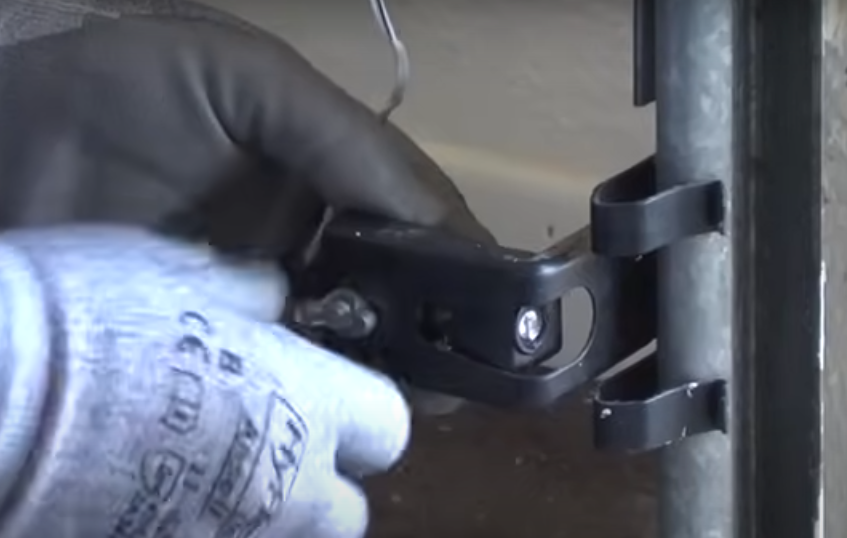
Garage door sensors play a crucial role in maintaining the safety and functionality of your garage door system. When these sensors become dirty or obstructed, they can cause the door to malfunction, refuse to close, or even reverse unexpectedly. For homeowners, understanding the best tips for keeping garage door sensors clean can prevent unnecessary repairs and ensure smooth operation year-round.
Regular maintenance of these small yet vital devices is simple but often overlooked. By dedicating a few minutes each month to basic cleaning and inspection, you can extend the life of your sensors and avoid common issues such as flickering lights or unresponsive doors. If you ever notice persistent problems, it may be helpful to review resources like how to fix garage door sensor flickering for additional troubleshooting steps.
Why Clean Garage Door Sensors Matter
Sensors are designed to detect obstacles and prevent the garage door from closing on people, pets, or objects. Dirt, dust, spider webs, and even sunlight glare can interfere with the sensor’s infrared beam, leading to operational failures. Keeping these components clear is not just about convenience—it’s a matter of safety.
Neglecting sensor maintenance can result in:
- Doors refusing to close or reversing unexpectedly
- Flashing sensor lights indicating alignment or obstruction issues
- Unnecessary service calls and repair costs
- Potential safety hazards for family members and pets
Essential Steps for Maintaining Sensor Clarity
Following a few straightforward practices can help you keep your garage door sensors in top condition. Here are the most effective tips for keeping garage door sensors clean and clear:
1. Regular Dusting and Wiping
Use a soft, dry cloth to gently wipe the sensor lenses. Avoid abrasive materials that could scratch the surface. For stubborn grime, lightly dampen the cloth with water—never use harsh chemicals, as they may damage the lens or housing.
2. Remove Cobwebs and Debris
Spider webs, leaves, and other debris can block the sensor’s path. Check around the sensor brackets and mounting area, clearing away anything that could interfere with the beam.
3. Inspect for Alignment Issues
Even clean sensors won’t function properly if they’re misaligned. Ensure both sensors face each other directly and are mounted at the same height. If you notice the indicator lights flickering, consult a guide such as how to test garage door safety sensors for step-by-step alignment checks.
4. Check for Moisture and Condensation
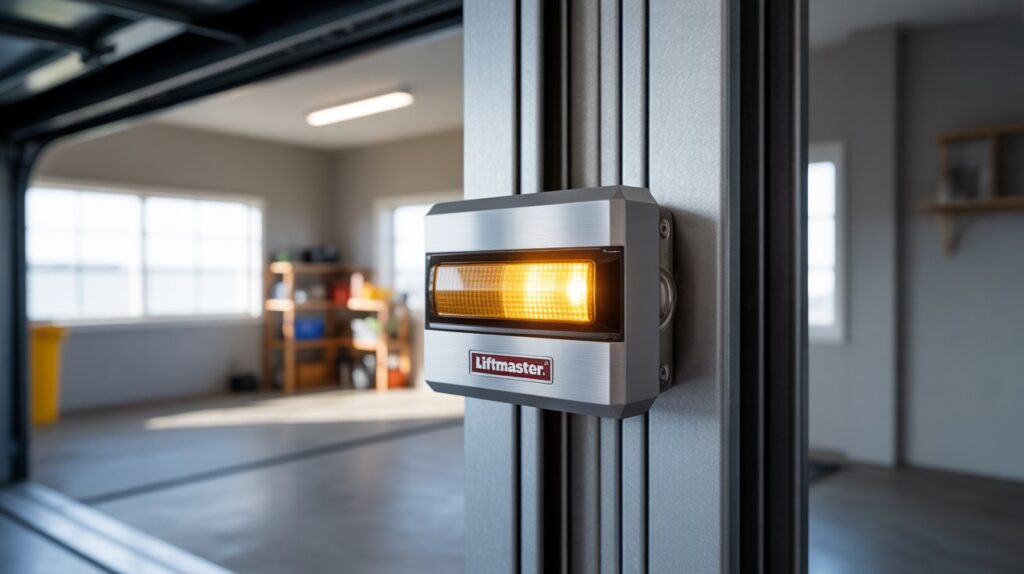
In humid environments or after rain, moisture can collect on the sensor lens. Wipe away any condensation promptly, as water droplets can scatter the infrared beam and cause malfunctions.
5. Shield from Direct Sunlight
Sunlight shining directly into the sensor can disrupt its operation. If your garage faces the sun, consider installing a small shade or repositioning the sensors slightly to minimize interference.
Common Causes of Sensor Obstruction
Understanding what typically blocks or disrupts your sensors will help you prevent issues before they start. The most frequent culprits include:
- Dirt and dust buildup on the lens
- Leaves, grass clippings, or other yard debris
- Spider webs and insect nests
- Physical misalignment from accidental bumps
- Wiring issues or loose connections
If you suspect wiring problems, it’s wise to review a resource like how to check garage door sensor wiring for damage to rule out electrical faults.
How Often Should You Clean Garage Door Sensors?
For most homes, a monthly cleaning routine is sufficient. However, if your garage is exposed to heavy dust, pollen, or insects, you may need to check and clean the sensors more frequently. Always inspect the sensors after storms, landscaping work, or if you notice the door behaving abnormally.
When to Seek Professional Help
While most cleaning and minor adjustments are easy DIY tasks, some issues require expert attention. If your sensors remain unresponsive after cleaning and realignment, or if you notice damaged wires, it’s best to contact a qualified technician. For troubleshooting guidance, you can refer to this comprehensive guide to troubleshooting garage door sensor issues.
Additional Maintenance Tips for Reliable Sensors
- Keep the garage floor around the sensors free of clutter.
- Periodically check sensor brackets for tightness and stability.
- Test the sensors by closing the door and waving an object in front of the beam—the door should reverse immediately.
- Replace sensor lights or covers if they become cracked or cloudy.
- Review your garage door opener’s manual for specific maintenance instructions.
For more in-depth instructions on DIY repairs, see how to rewire garage door sensors for step-by-step guidance.
Frequently Asked Questions
How do I know if my garage door sensors need cleaning?
Signs include the door refusing to close, reversing unexpectedly, or the sensor lights flashing or turning off. Visible dirt, dust, or cobwebs on the sensor lens are also clear indicators that cleaning is needed.
Can I use household cleaners on my garage door sensors?
It’s best to avoid harsh chemicals or abrasive cleaners. Use a soft, dry or slightly damp cloth to gently wipe the sensor lens. If needed, a mild soap solution can be used, but ensure no residue is left behind.
What should I do if cleaning doesn’t fix the sensor problem?
If cleaning and realignment don’t resolve the issue, inspect for wiring problems or physical damage. Persistent problems may require professional service. For further troubleshooting, consult resources like why does my garage door only close when I hold the button for additional insights.
Do I need to turn off power before cleaning sensors?
For basic dusting or wiping, turning off the power isn’t necessary. However, if you need to adjust wiring or brackets, always disconnect the opener from power to ensure safety.
Conclusion
Keeping your garage door sensors clean and clear is a simple yet vital part of home maintenance. By following these practical steps, you’ll ensure reliable operation, enhance safety, and avoid unnecessary repairs. Consistent care will keep your garage door system running smoothly for years to come.