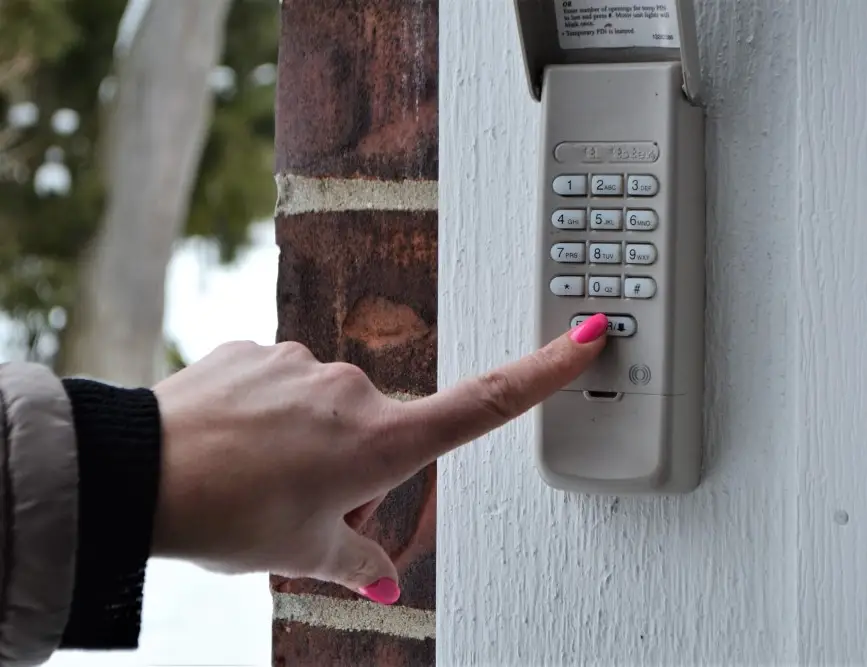
A malfunctioning garage door keypad can be a source of daily frustration, especially when you rely on it for convenient, secure access to your garage. Many homeowners encounter problems with their keypads not responding, intermittent operation, or complete failure to open the door. Often, these troubles are rooted in garage door keypad wiring issues—a problem that can range from simple loose connections to more complex electrical faults.
Understanding how to identify and address wiring problems is essential for restoring your keypad’s reliability and ensuring your garage remains both accessible and secure. In this article, we’ll break down the most common symptoms, causes, and step-by-step solutions for keypad wiring faults. You’ll also find tips on when to tackle repairs yourself and when to call a professional.
If you’re also dealing with sensor problems, you may find it helpful to review related guides like how to fix garage door sensor mounting on metal studs for additional troubleshooting tips.
Recognizing Signs of Keypad Wiring Problems
Before diving into repairs, it’s important to recognize the telltale signs of garage door keypad wiring issues. These symptoms can help you pinpoint whether the problem is truly with the wiring or if another component is at fault.
- Unresponsive keypad: Pressing buttons yields no lights or sounds.
- Intermittent operation: The keypad works only sometimes, often after repeated presses.
- Dim or flickering lights: The keypad’s backlight or indicator lights are weak or inconsistent.
- Partial button function: Some keys work while others do not.
- Door opens or closes unexpectedly: The keypad triggers the door without input, or fails to respond at all.
These symptoms often indicate a break, short, or loose connection in the wiring between the keypad and the garage door opener unit.
Common Causes of Garage Door Keypad Wiring Issues
Several factors can contribute to wiring problems in a garage door keypad system. Understanding these causes can help you prevent future issues and make repairs more efficiently.
- Weather exposure: Outdoor keypads are vulnerable to moisture, temperature swings, and corrosion.
- Physical damage: Accidental bumps, impacts, or tampering can loosen wires or connectors.
- Rodent activity: Mice and other pests may chew through exposed wiring.
- Old or brittle wires: Over time, insulation can crack, and wires may break or lose conductivity.
- Poor installation: Wires not properly secured or connected during initial setup can lead to early failures.
If your keypad wiring runs alongside other garage door components, such as sensors, it’s wise to check those as well. For example, if you notice issues with your sensors, guides like how to fix garage door sensor wiring using electrical tape can be helpful.
Step-by-Step Troubleshooting for Faulty Keypad Wiring
Addressing garage door keypad wiring issues often starts with a careful inspection and some basic troubleshooting steps. Here’s a practical approach:
- Power check: Ensure the keypad has fresh batteries (if battery-powered). For hardwired models, confirm the opener unit is plugged in and powered.
- Visual inspection: Remove the keypad cover and look for loose, corroded, or disconnected wires. Check for any visible damage along the wire path.
- Test connections: Gently wiggle the wires at both the keypad and the opener terminal. If the keypad responds, a loose connection is likely.
- Check for continuity: Use a multimeter to test the wire for breaks or shorts between the keypad and opener.
- Secure or replace wires: Tighten any loose screws, clean corroded contacts, and replace damaged wire sections as needed.
- Reprogram the keypad: After repairs, follow your manufacturer’s instructions to re-sync the keypad with the opener.
If you’re unsure about using a multimeter or working with electrical components, consider seeking help from a professional garage door technician.

How to Prevent Future Keypad Wiring Faults
Once you’ve resolved any wiring problems, taking a few preventative steps can help extend the life of your garage door keypad and its wiring:
- Weatherproofing: Use silicone sealant around the keypad housing and wire entry points to block moisture.
- Protective conduit: Run wires through plastic or metal conduit to shield them from rodents and physical damage.
- Routine inspection: Check wiring connections annually, especially after storms or extreme weather.
- Secure mounting: Ensure the keypad is firmly attached to prevent movement that could loosen wires.
- Professional installation: If replacing your keypad, consider hiring a professional to ensure all wiring is properly routed and secured.
For more on troubleshooting related garage door issues, see guides like why is my garage door sensor transmitter dead for sensor-specific advice.
When to Replace Your Garage Door Keypad
Sometimes, even after addressing wiring concerns, the keypad itself may be at the end of its lifespan. Consider replacing your keypad if:
- The unit is more than 10 years old and frequently malfunctions.
- Buttons are physically worn out or unresponsive despite working wiring.
- Corrosion or water damage is extensive.
- Upgrading to a model with better security or wireless features is desired.
Replacement keypads are widely available and often compatible with most major garage door opener brands. For a comprehensive overview of keypad options, you can refer to resources like the ultimate guide to garage door keypads.
Frequently Asked Questions
What should I do if my garage door keypad stops working after a storm?
Storms can cause power surges, water intrusion, or physical damage to exposed wiring. First, check for visible signs of moisture or corrosion inside the keypad. Dry the area thoroughly and inspect all wiring connections. Replace any damaged wires and reprogram the keypad if necessary. If the problem persists, consult a professional.
Can I fix garage door keypad wiring issues myself, or should I hire a professional?
Many simple wiring problems, such as loose connections or minor corrosion, can be handled by a homeowner with basic tools. However, if you’re uncomfortable with electrical work, or if the wiring is severely damaged or inaccessible, it’s best to contact a qualified technician for safe and reliable repairs.
Why does my keypad only work intermittently?
Intermittent operation is often caused by loose or corroded wiring, weak batteries (for wireless models), or environmental factors like moisture. Inspect the wiring for secure connections and replace batteries if needed. If the issue continues, the keypad or opener circuitry may require further diagnosis.
Is it safe to use electrical tape for temporary wiring repairs?
Electrical tape can be used for short-term fixes on minor wire insulation damage, but it’s not a permanent solution. For lasting safety and reliability, replace damaged wires or use proper connectors. For more on this, see how to fix garage door sensor wiring using electrical tape.