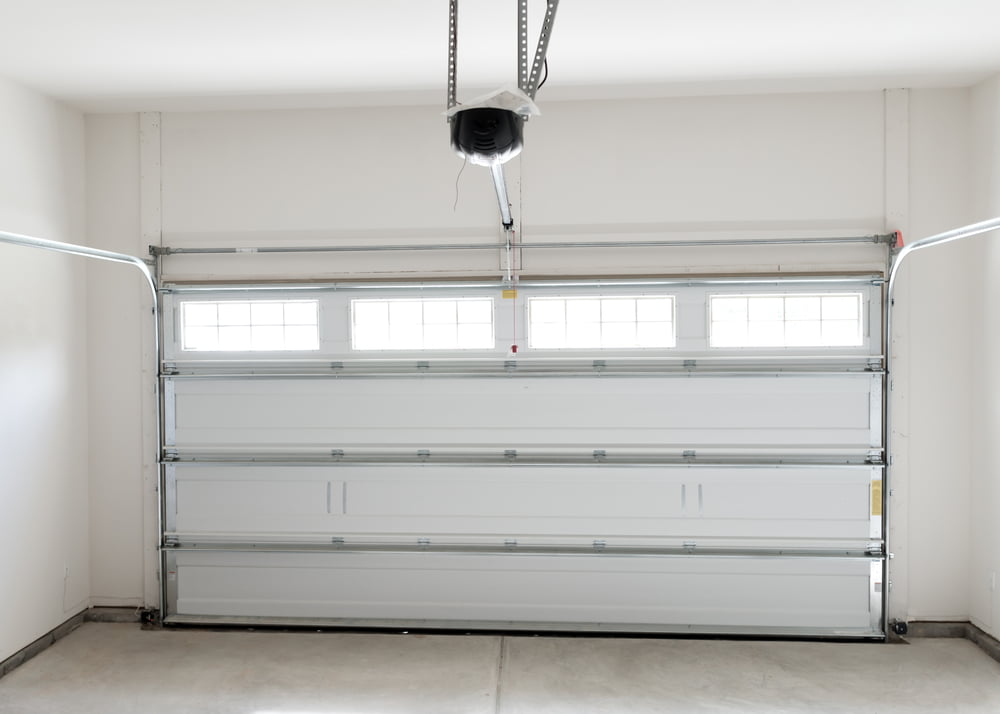
Regular maintenance is essential for keeping your garage door operating safely and smoothly. One of the most important safety checks is the garage door halfway test procedure, which helps you determine whether your door is properly balanced and functioning as intended. Performing this check can prevent unexpected breakdowns, reduce wear on your opener, and ensure your garage door remains safe for everyone in your household.
In this article, you’ll find a detailed walkthrough of the halfway test, tips for interpreting your results, and advice on what to do if you discover any issues. If you’re dealing with related concerns, such as sensor problems, you might also find our guide on how to fix garage door sensor mounting on metal studs helpful.
Why Perform a Balance Test on Your Garage Door?
The halfway test is a straightforward way to check if your garage door is balanced. A properly balanced door will stay in place when opened halfway, while an unbalanced door may drift up or down. This check is crucial because an unbalanced door can strain your opener, cause premature wear, and even create safety hazards.
- Safety: Prevents sudden door drops or uncontrolled movement.
- Longevity: Reduces stress on your garage door opener and hardware.
- Performance: Ensures smooth, reliable operation every time you use your door.
Preparation: Tools and Safety Precautions
Before starting the garage door halfway test procedure, gather the following:
- Step ladder (if needed for visibility)
- Work gloves for hand protection
- Garage door lubricant spray (for maintenance after the test)
Important: Never attempt to adjust garage door springs yourself. If you notice issues with the balance, contact a professional for repairs.
Step-by-Step Instructions for the Halfway Test
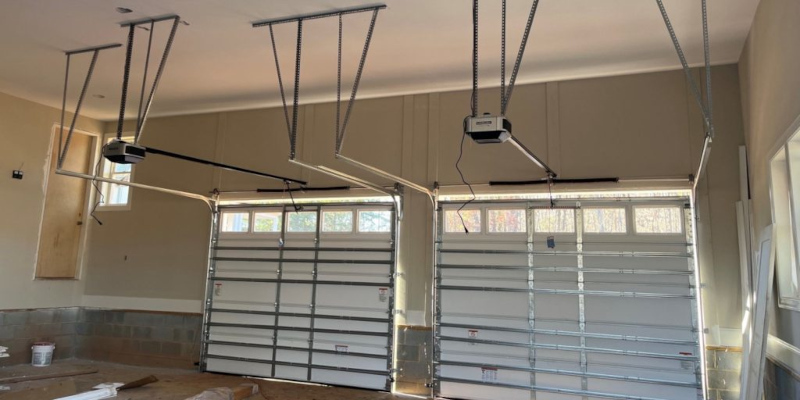
1. Disconnect the Opener
Pull the emergency release cord, usually a red handle hanging from the opener rail. This disconnects the door from the automatic opener, allowing you to move it by hand.
2. Move the Door Manually
Carefully lift the garage door about halfway (roughly waist height) and let go. Stand clear of the door’s path and observe what happens.
3. Observe the Door’s Behavior
- Stays in Place: The door is balanced.
- Rises Up: The springs may be too tight.
- Falls Down: The springs may be too loose.
If the door moves up or down on its own, it’s a sign that adjustments are needed. Do not attempt to adjust torsion or extension springs yourself, as they are under high tension and can be dangerous.
What to Do If Your Garage Door Fails the Balance Test
If your door doesn’t stay in the halfway position, it’s best to consult a professional technician. Attempting to fix spring tension without proper training can result in serious injury. For more troubleshooting tips and repair options, you can refer to resources like how to address a garage door stuck halfway.
In addition to spring issues, check for obstructions in the tracks, worn rollers, or misaligned hardware. Lubricating moving parts with a quality spray can also help maintain smooth operation.
Maintaining Your Garage Door After the Test

After completing the balance check, take a few minutes to inspect and maintain your garage door system:
- Lubricate all moving parts, including rollers, hinges, and springs, with a recommended garage door lubricant.
- Check for loose bolts or screws and tighten as needed.
- Inspect the tracks for debris and clean them to prevent jams.
- Test the auto-reverse safety feature by placing a small object in the door’s path and closing it.
For more troubleshooting and repair tips, see our articles on why is my garage door sensor transmitter dead and why is my garage door sensor light blinking twice.
Common Issues Detected by the Halfway Test
The halfway test can reveal several common problems:
- Spring Tension Problems: Door won’t stay put or slams shut.
- Worn Rollers: Door feels jerky or noisy during movement.
- Track Misalignment: Door binds or gets stuck partway.
- Opener Strain: Door is difficult to lift manually, indicating the opener is doing too much work.
Addressing these issues promptly can help you avoid more costly repairs down the line.
Frequently Asked Questions
How often should I perform the halfway balance test?
It’s a good idea to check your garage door’s balance every six months, or whenever you notice unusual movement or noise. Regular checks help catch problems early.
Can I adjust the springs myself if the door fails the test?
No. Garage door springs are under high tension and can cause serious injury if handled improperly. Always contact a trained technician for spring adjustments or replacements.
What should I do if my garage door is stuck halfway?
If your door is stuck, first disconnect the opener and try moving it manually. If it remains stuck, check for visible obstructions or damage. For more detailed troubleshooting, refer to guides like steps to fix a garage door stuck halfway.
Are there other maintenance tasks I should do after the halfway test?
Yes. Lubricate moving parts, inspect hardware, and check the auto-reverse feature. Keeping up with these tasks will extend the life of your garage door system.
For further reading on garage door sensor issues and solutions, explore our resources on how to fix garage door sensor wiring using electrical tape and how to fix garage door sensor hum or buzz.
Performing the garage door halfway test procedure regularly is a simple yet powerful way to keep your garage door safe, reliable, and long-lasting.