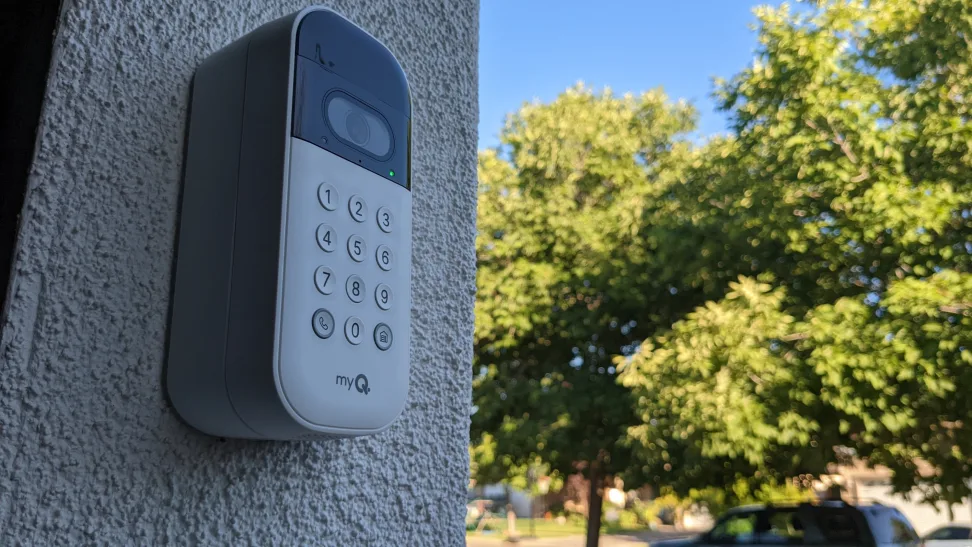
Over time, the buttons on a garage door keypad can become unresponsive, faded, or difficult to press. This is a common issue for many homeowners and can lead to frustration when trying to access the garage. Understanding the typical causes of garage door keypad worn buttons and knowing how to address them can help you restore reliable access and extend the life of your keypad.
In this article, we’ll explore what leads to keypad button wear, how to recognize the signs, and practical solutions for repair or replacement. If you’re also troubleshooting related garage door sensor issues, you might find our guide on how to fix garage door sensor mounting on metal studs helpful.
Common Reasons for Worn Keypad Buttons
Keypads for garage doors are designed to withstand outdoor conditions, but daily use and exposure can take a toll. Here are some of the most frequent causes of button deterioration:
- Frequent Usage: Repeated pressing of the same numbers, especially those used in your PIN, leads to faster wear on certain keys.
- Weather Exposure: Sunlight, rain, snow, and temperature swings can degrade the rubber or plastic covering the buttons, causing them to crack or fade.
- Dirt and Debris: Dust, pollen, and grime can build up around and under the buttons, making them sticky or unresponsive.
- Age of the Device: Older keypads naturally experience more wear and tear, which can result in faded numbers or buttons that no longer spring back.
- Poor Manufacturing Quality: Some models use lower-quality materials that break down more quickly than others.
How to Identify Button Wear and Malfunction
Recognizing the early signs of keypad button wear can help you act before the device fails completely. Here’s what to look for:
- Numbers or symbols on the keys are faded or illegible.
- Buttons feel mushy, stick, or require extra force to register a press.
- Some keys do not respond at all, even after multiple attempts.
- Intermittent operation, where the keypad sometimes works and sometimes doesn’t.
- Visible cracks or splits in the button material.
If you notice these symptoms, it’s time to consider cleaning, repairing, or replacing the keypad.
Cleaning and Maintaining Your Garage Door Keypad
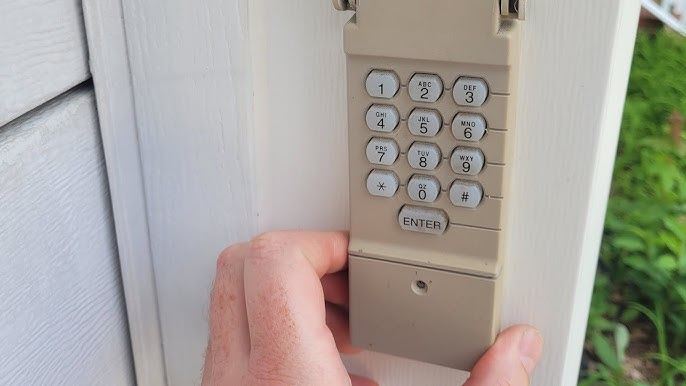
Sometimes, the issue is simply dirt or minor corrosion. Regular cleaning can help prolong the life of your keypad and keep the buttons working smoothly. Follow these steps:
- Turn off power to the keypad if possible, or remove the batteries.
- Use a soft, damp cloth to wipe the surface. Avoid harsh chemicals that can degrade plastic or rubber.
- For stubborn grime, use a cotton swab dipped in rubbing alcohol to gently clean around the buttons.
- Let the keypad dry completely before restoring power or replacing batteries.
If cleaning doesn’t restore function, the issue may be internal, such as worn contacts or broken button mechanisms.
Repairing or Replacing Worn Buttons
When cleaning isn’t enough, you have a few options to address garage door keypad worn buttons:
- Button Overlay Replacement: Some manufacturers offer replacement overlays or button pads. This can be a cost-effective fix if the underlying electronics are still functional.
- Internal Contact Repair: For those comfortable with DIY repairs, opening the keypad and cleaning or adjusting the internal contacts may restore function. Be sure to follow manufacturer instructions and take safety precautions.
- Full Keypad Replacement: If the keypad is old, has extensive damage, or repairs are not possible, replacing the entire unit is often the most reliable solution. Modern keypads offer improved weather resistance and security features.
For a step-by-step breakdown of troubleshooting keypad issues, you can refer to this comprehensive guide to garage door keypad problems.
When to Replace Instead of Repair
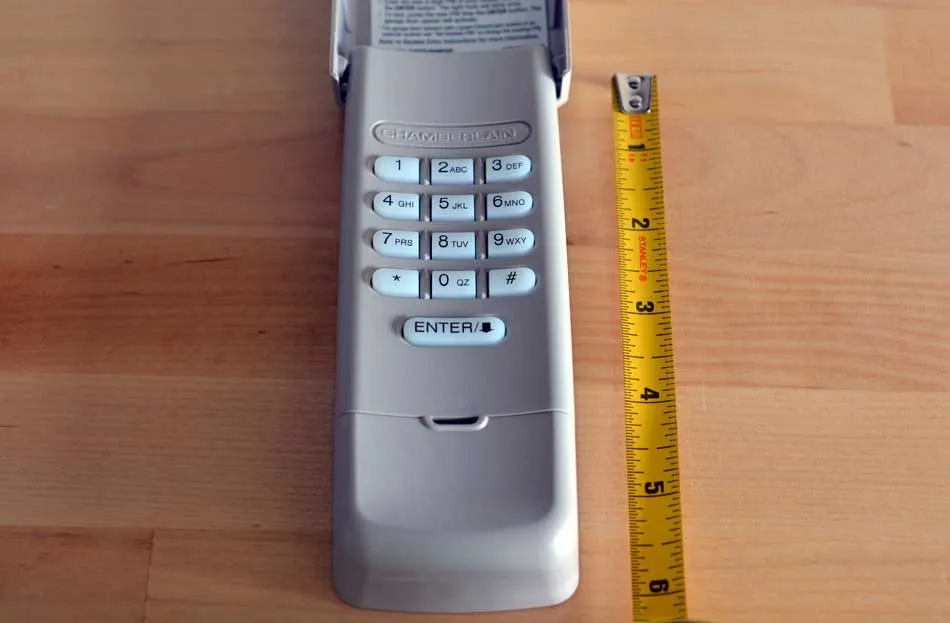
While minor issues can often be fixed, there are situations where replacement is the better option:
- The keypad is more than 7–10 years old and shows extensive wear.
- Multiple buttons are unresponsive, or the keypad fails intermittently despite cleaning and repairs.
- Replacement parts are unavailable for your model.
- You want to upgrade to a newer, more secure, or weather-resistant keypad.
Newer models are often easier to program and offer features like backlit keys and improved wireless range. If you’re experiencing other garage door issues, such as sensor malfunctions, you may also want to check out our article on why is my garage door sensor transmitter dead for additional troubleshooting tips.
Preventing Future Wear on Garage Keypad Buttons
To extend the life of your new or repaired keypad, consider these practical tips:
- Install a Weather Shield: Many keypads can be fitted with a plastic cover to protect against rain and sun.
- Clean Regularly: Wipe down the keypad every few months to prevent dirt buildup.
- Use All Buttons: Change your PIN periodically to distribute wear across different keys.
- Check for Updates: Some manufacturers offer firmware or hardware updates that improve durability.
Taking these steps can help you avoid frequent replacements and ensure reliable access to your garage.
Frequently Asked Questions
Can I fix unresponsive garage keypad buttons myself?
Yes, in many cases you can restore function by cleaning the keypad or replacing the button overlay. If the problem is with the internal contacts, some basic DIY repairs may help. However, if the keypad is old or the damage is extensive, replacement is often more effective.
How long do garage door keypads typically last?
Most keypads last between 7 and 10 years with regular use and proper maintenance. Exposure to harsh weather or frequent use of the same buttons can shorten their lifespan.
Are replacement keypads compatible with all garage door openers?
Not all keypads are universal. It’s important to choose a replacement that matches your garage door opener’s brand and model. Check the manufacturer’s compatibility list before purchasing.
What should I do if my keypad still doesn’t work after cleaning?
If cleaning does not resolve the issue, try replacing the batteries or resetting the keypad. If it remains unresponsive, the internal contacts or circuitry may be damaged, and it’s likely time for a replacement.