A well-functioning garage door relies on a network of interconnected parts, with the cable system playing a central role in ensuring smooth, safe, and balanced movement. Understanding the garage door cable system overview is essential for homeowners, DIY enthusiasts, and anyone interested in garage door maintenance or repair. This article breaks down the major components, explains how the mechanics work, and highlights what to watch for to keep your door operating reliably.
The cable system is responsible for lifting and lowering the heavy garage door with the help of springs, pulleys, and drums. When any part of this system fails, it can lead to operational issues or even safety hazards. By learning how these elements work together, you can spot early warning signs of wear, perform basic troubleshooting, and make informed decisions about repairs or upgrades.
If you want a deeper dive into the role of cables in lifting your garage door, check out how garage door cables work for a detailed explanation.
Key Components of a Garage Door Cable System
A typical garage door cable setup consists of several critical parts, each with a unique function. Here’s a closer look at the main elements found in most residential systems:
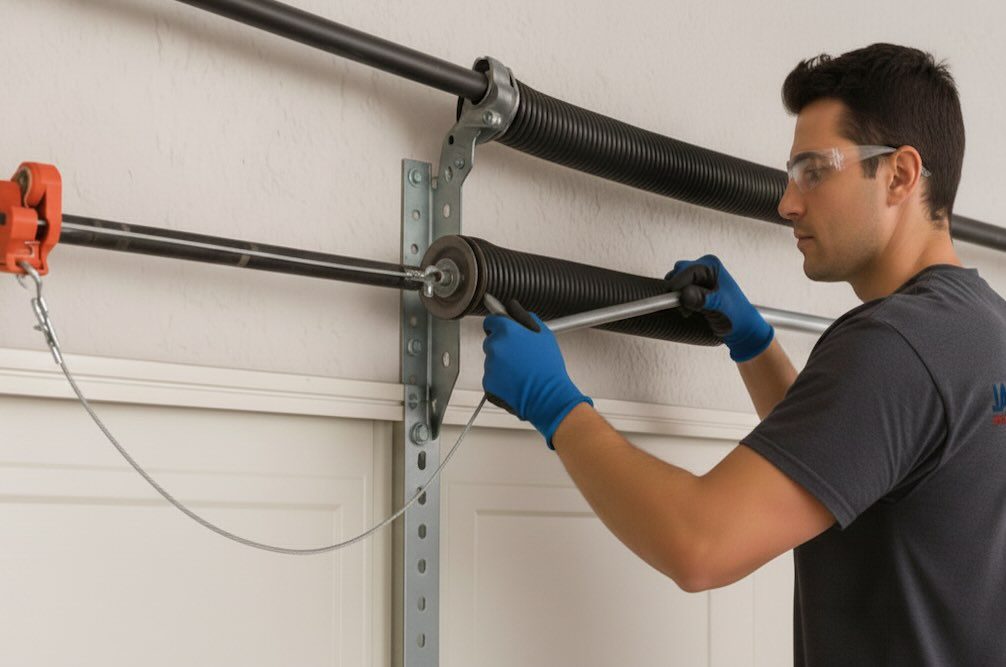
- Cables: Made from galvanized steel, these strong wires connect the bottom of the door to the lifting mechanism. They bear the door’s weight and transfer force from the springs to the door itself.
- Drums: Located at each end of the torsion bar above the door, drums wind and unwind the cables as the door moves up or down, keeping tension even and movement smooth.
- Pulleys: Commonly found in extension spring systems, pulleys guide the cables and help distribute force, reducing wear and friction.
- Springs: Either torsion or extension springs counterbalance the door’s weight, making it possible to lift even heavy doors with minimal effort.
- Brackets and Fasteners: These secure the cables to the door and the lifting system, ensuring everything stays in place during operation.
Each of these parts must be in good condition for the system to function safely. Damaged or worn cables, misaligned drums, or faulty pulleys can lead to uneven lifting, noisy operation, or even door failure.
How the Cable System Works With Springs and Pulleys
The mechanics behind a garage door’s movement rely on a careful balance between tension and force. Here’s how the cable system interacts with other components:
- Torsion Spring Systems: In this design, cables attach to the bottom brackets of the door and wind around drums as the door opens. The torsion spring, mounted above the door, stores energy and releases it to assist in lifting. As the door closes, the spring winds up, storing energy for the next lift.
- Extension Spring Systems: Here, cables run through pulleys attached to extension springs along the horizontal tracks. As the door opens, the springs stretch and the pulleys guide the cables, helping to balance the door’s weight.
Both systems rely on precise cable tension. Too much slack or excessive tightness can cause operational issues and increase the risk of cable breakage.

Types of Garage Door Cables and Their Applications
Not all garage door cables are created equal. The type of cable used depends on the door’s weight, size, and the spring system in place. The most common types include:
- Lifting Cables: These are the main cables that attach to the bottom of the door and wind around the drums or pass through pulleys, doing the heavy lifting.
- Retaining Cables: Used in extension spring systems, these cables run through the center of the springs to prevent them from flying loose if they break, adding an extra layer of safety.
- Safety Cables: Sometimes installed as a backup, safety cables help contain broken springs or cables, reducing the risk of injury or property damage.
For a more detailed breakdown of cable types and their uses, see this guide to different garage door cables.
Common Issues and Warning Signs in Cable Systems
Garage door cables are subject to wear and tear due to frequent use, exposure to moisture, and the high tension they endure. Recognizing early signs of trouble can help prevent sudden failures:
- Fraying or Rust: Visible wear, broken strands, or rust on the cables are clear indicators that replacement is needed.
- Uneven Door Movement: If the door lifts unevenly or gets stuck, a cable may be loose, off the drum, or broken.
- Unusual Noises: Squeaking, grinding, or popping sounds often point to cable or pulley issues.
- Slack Cables: Cables that appear loose or have come off their drums can compromise the door’s balance and safety.
If you notice any of these problems, it’s best to stop using the door and consult a professional or refer to a simple guide on garage door cables for troubleshooting steps.
Maintenance Tips for a Reliable Cable System
Regular maintenance can extend the lifespan of your garage door’s cable system and reduce the risk of sudden breakdowns. Here are some practical steps:
- Visual Inspections: Check cables, drums, and pulleys for signs of wear, rust, or fraying at least twice a year.
- Lubrication: Apply a light garage door lubricant to moving parts, but avoid getting oil directly on the cables, as this can attract dirt and accelerate wear.
- Balance Testing: Disconnect the opener and manually lift the door halfway. If it stays in place, the springs and cables are likely balanced. If it falls or shoots up, adjustment is needed.
- Professional Service: For any repairs involving high-tension springs or cables, always call a qualified technician to avoid injury.
Staying proactive with these steps helps ensure your garage door operates safely and efficiently for years to come.
When to Replace or Upgrade Your Cable System
Knowing when to replace cables or upgrade components is crucial for safety. Consider replacement if:
- Cables show visible damage, rust, or fraying.
- The door moves unevenly or makes unusual noises.
- There have been recent spring or pulley failures.
- The system is over 10 years old and has not been serviced.
Upgrading to higher-quality cables or switching to a torsion spring system can improve reliability and reduce maintenance needs. Always use cables rated for your door’s weight and consult a professional for installation.
Frequently Asked Questions
What happens if a garage door cable snaps?
If a cable breaks, the door may become unbalanced, tilt to one side, or get stuck. In some cases, the door can fall suddenly, posing a safety risk. Avoid using the door and contact a professional for repairs.
How often should garage door cables be replaced?
Cables typically last 7–10 years with regular use and maintenance. Replace them sooner if you notice fraying, rust, or any operational issues.
Can I replace garage door cables myself?
While some experienced DIYers tackle cable replacement, it involves high tension and risk of injury. It’s generally safer to hire a professional, especially for torsion spring systems.
Are there different cables for different garage doors?
Yes, cable type and thickness depend on the door’s weight, size, and spring system. Always use cables specified by the manufacturer or a trusted technician.
For more on troubleshooting and related topics, explore resources like why is my garage door sensor indicator light missing or how to fix garage door sensor mounting on metal studs for broader garage door care advice.