Understanding the garage door cable function is essential for homeowners who want to keep their garage doors operating smoothly and safely. While often overlooked, these cables play a critical role in the lifting and lowering of your garage door, working in tandem with springs and pulleys to manage the door’s heavy weight. If you’ve ever wondered what those steel cables on the sides of your garage door actually do, this article will break down their purpose, how they work, and why proper maintenance is so important.
Before diving into the mechanics, it’s helpful to get a broader view of how garage door systems operate. For a detailed explanation of the cable’s role in lifting, check out how garage door cables work, which provides a step-by-step look at the process.
Why Garage Door Cables Matter
Garage doors can weigh anywhere from 100 to over 400 pounds, depending on their size and material. Lifting this weight manually would be nearly impossible without a system of counterbalancing components. Cables are a key part of this system, working alongside springs to make opening and closing the door manageable and safe.
When the cables are in good condition, they help distribute the door’s weight evenly, prevent sudden drops, and ensure smooth movement. If a cable snaps or becomes frayed, the door can become unbalanced or even dangerous to operate. That’s why understanding their function and keeping them in good repair is so important for every homeowner.
Types of Garage Door Cables and Their Roles
There are two main types of cables used in residential garage doors:
- Lifting cables (also called torsion cables): These are attached to the bottom corners of the door and wind around a drum as the door opens. They work with the torsion spring system, which is mounted above the door.
- Extension spring cables: These run alongside the horizontal tracks and are used with extension spring systems, which stretch and contract to assist with lifting.
Both types of cables are made from strong, flexible steel wire designed to withstand repeated tension and movement. Their main job is to transfer the force from the springs to the door, allowing it to move up and down with minimal effort from the opener or from manual lifting.

How Cables Work With Springs and Pulleys
The function of garage door cables centers on their partnership with springs and pulleys. Here’s how the process works:
- When you activate the opener or manually lift the door, the springs provide the necessary force to counterbalance the door’s weight.
- The cables, attached to the bottom of the door, wind around drums (in torsion systems) or move along pulleys (in extension systems).
- As the door rises, the cables keep tension on the door, guiding it smoothly along the tracks and preventing it from slamming shut.
- When lowering the door, the cables help control the descent, ensuring a gentle, controlled movement.
This system allows even heavy doors to be operated with minimal effort. If any part of this system fails—especially the cables—the door can become stuck, unbalanced, or even fall unexpectedly.
Signs of Cable Wear and When to Replace
Because garage door cables are under constant tension, they are subject to wear and tear over time. Here are some signs that your cables may need attention:
- Visible fraying or broken strands in the cable
- Rust or corrosion on the cable surface
- Slack or loose cables hanging from the drum or pulley
- Uneven movement or the door appearing crooked when opening or closing
If you notice any of these issues, it’s important to address them promptly. Replacing cables can be dangerous due to the high tension involved, so it’s usually best to call a professional. For those interested in the installation process, you can read a step-by-step guide on how to install garage door springs and cables for a better understanding of what’s involved.
Maintenance Tips for Garage Door Cables
Regular maintenance can extend the life of your cables and help prevent sudden failures. Here are some practical tips:
- Visually inspect cables every few months for signs of wear, rust, or fraying.
- Keep the area around the cables clean and free of debris.
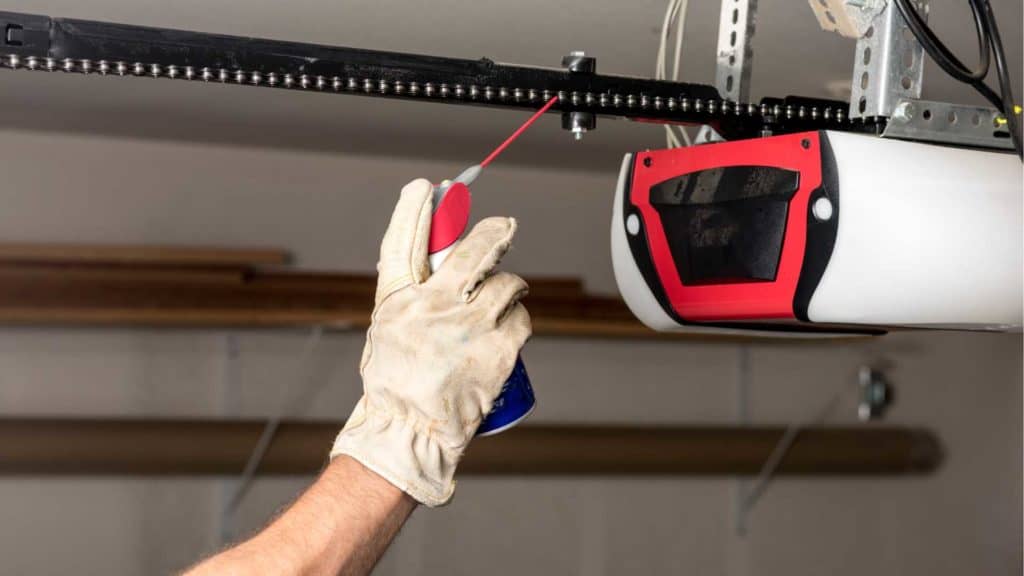
- Lubricate moving parts (but not the cables themselves) to reduce friction and wear on the system.
- Test the door’s balance by disconnecting the opener and lifting the door manually; if it feels heavy or uneven, cables or springs may need attention.
- Never attempt to adjust or replace cables yourself unless you have proper training and tools—call a professional for repairs.
For a simple overview of cable types and their roles, see what are garage door cables for more homeowner-friendly information.
Common Problems and Safety Concerns
When garage door cables fail, the results can be both inconvenient and dangerous. Some common problems include:
- The door becomes stuck halfway open or closed
- The door slams shut unexpectedly
- One side of the door rises or falls faster than the other, causing it to become crooked
- Cables come off the drum or pulley, leaving the door unsupported
Because cables are under high tension, a sudden break can cause injury or property damage. If you suspect a cable issue, avoid using the door and contact a qualified technician immediately. Regular inspections and timely replacements are the best ways to keep your garage door system safe and reliable.
FAQ: Garage Door Cable Function and Care
What happens if a garage door cable breaks?
If a cable snaps, the door can become unbalanced and may not open or close properly. In some cases, the door could fall suddenly, posing a safety risk. It’s important to stop using the door and have it repaired by a professional as soon as possible.
How often should garage door cables be replaced?
There’s no set schedule, as cable lifespan depends on usage, climate, and maintenance. However, most cables last 7–10 years with regular use. Inspect them at least twice a year and replace them at the first sign of wear or damage.
Can I replace garage door cables myself?
Replacing cables involves dealing with high-tension springs, which can be dangerous without proper tools and experience. It’s generally safer to hire a professional for cable replacement. If you’re curious about the process, you can read about how to install garage door springs and cables for a better understanding.
Are there different cables for different garage door systems?
Yes, torsion spring systems use lifting cables that wind around a drum, while extension spring systems use cables that run through pulleys. Always use the correct type and length for your specific door system.
Conclusion
The garage door cable function is vital to the safe and smooth operation of your garage door. By understanding how these cables work, recognizing signs of wear, and performing regular maintenance, you can help ensure your door remains reliable for years to come. For more in-depth information on related topics, explore guides such as how to fix garage door sensor mounting on metal studs or how to test garage door sensor range to keep your entire system in top shape.