Garage doors are among the heaviest moving objects in most homes, often weighing between 150 and 400 pounds. Yet, with a simple press of a button or a gentle pull, these massive doors glide open and closed with surprising ease. The secret behind this smooth operation lies in a set of critical components—most notably, the garage door cables. Understanding how garage door cables work is essential for homeowners who want to maintain a safe and functional garage entryway.
This article explores the mechanics of garage door cables, their role in balancing heavy doors, and why proper maintenance is crucial. We’ll also touch on related safety devices, such as sensors, which are vital for overall garage door performance. For those troubleshooting sensor issues, you may find our guide on how to test garage door sensor range particularly helpful.
The Role of Garage Door Cables in Lifting Heavy Doors
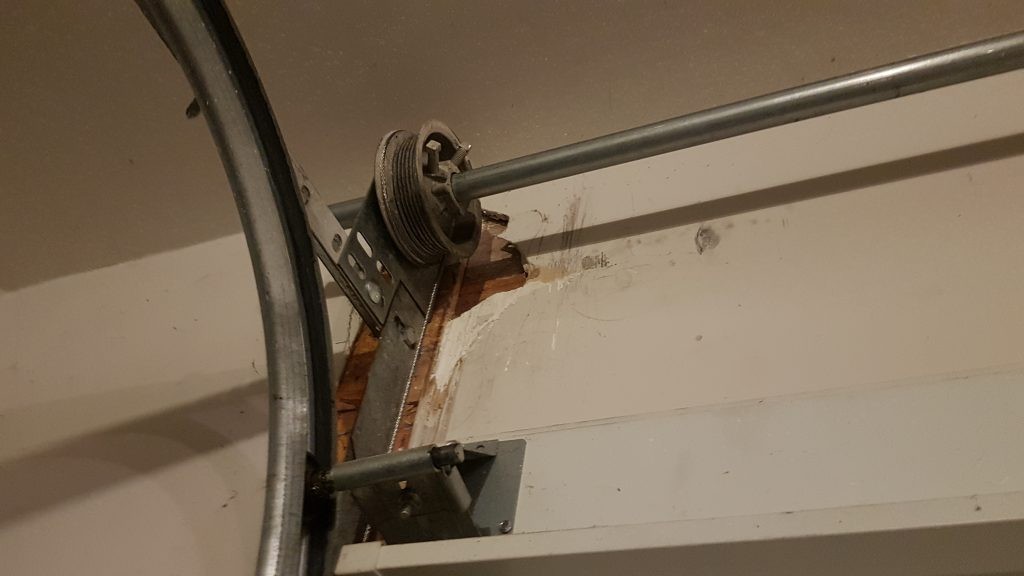
Garage door cables are strong, flexible wires made from galvanized steel. They are designed to withstand the immense tension and weight of the door. These cables are attached to the bottom corners of the door and loop around drums or pulleys located near the top of the vertical tracks. When the door is operated, the cables wind or unwind, working in tandem with the spring system to lift or lower the door safely.
There are two main types of garage door systems that use cables:
- Torsion spring systems: Cables wind around drums mounted on a shaft above the door. The torsion springs provide the necessary force to counterbalance the door’s weight.
- Extension spring systems: Cables run through pulleys and attach to extension springs that stretch along the horizontal tracks. The springs stretch and contract to assist with lifting and lowering.
In both systems, the cables are essential for transferring the energy from the springs to the door, making it possible to move even the heaviest doors with minimal effort.
How the Cable and Spring Mechanism Works
The process by which garage door cables help lift a heavy door is a clever application of physics. When the door is closed, the springs—either torsion or extension—are under maximum tension. As the door opens, the tension is released, and the energy stored in the springs is transferred through the cables. This energy assists in lifting the door, effectively reducing the amount of force needed from the opener or manual effort.
Here’s a step-by-step look at the operation:
- The opener (or manual force) initiates the upward movement of the door.
- The cables, attached to the bottom brackets, begin to wind around the drums or move through pulleys.
- The springs unwind or contract, releasing stored energy that helps lift the door.
- The door rises smoothly, guided by the tracks and supported by the cables.
When closing, the process reverses. The weight of the door causes the cables to unwind or move back, re-tensioning the springs and storing energy for the next lift.
Common Cable Problems and Safety Considerations
Despite their strength, garage door cables are subject to wear and tear. Fraying, rust, or improper tension can lead to cable failure, which can be dangerous. A snapped cable can cause the door to drop suddenly, risking injury or property damage. Regular inspection and maintenance are essential to ensure cables remain in good condition.
Signs of cable issues include:
- Visible fraying or broken strands
- Rust or corrosion on the cable surface
- Slack or loose cables
- Uneven door movement or the door hanging at an angle
If you notice any of these warning signs, it’s important to address the problem promptly. Replacing cables is a job best left to professionals, as the high tension in the spring system can be hazardous.
For more tips on safe cable handling, check out this comprehensive guide to garage door cable safety.
Why Proper Cable Maintenance Matters
Maintaining your garage door cables is not just about convenience—it’s about safety. Well-maintained cables ensure that your door operates smoothly and reliably. Neglecting cable care can lead to sudden failures, expensive repairs, and even injury. Here are a few maintenance tips:
- Inspect cables visually every few months for signs of wear.
- Keep cables clean and free of debris.
- Do not attempt to adjust or replace cables yourself unless you have proper training and tools.
- Schedule annual professional inspections to ensure all components are in good working order.
Remember, the cables work as part of a larger system. If you’re experiencing issues with your garage door sensors, you may also want to read about why your garage door sensor indicator light might be missing or how to fix sensor mounting on metal studs.

Choosing the Right Replacement Cables
If your garage door cables need replacement, it’s important to choose the correct type and size for your specific door system. Using the wrong cables can result in improper operation or even damage to your door. Here’s what to consider:
- Material: Most cables are made from galvanized steel for strength and corrosion resistance.
- Diameter and length: These must match your door’s specifications. Check your owner’s manual or consult a professional.
- Compatibility: Ensure the cables are designed for your spring system—torsion or extension.
Many homeowners opt for a complete pulley and cable kit for easier installation and compatibility. If you’re considering a DIY approach, always follow safety guidelines and manufacturer instructions.
Frequently Asked Questions
What happens if a garage door cable snaps?
If a cable breaks, the door may become unbalanced and could fall suddenly, posing a serious safety risk. In most cases, the opener may struggle or fail to lift the door. If you suspect a cable has snapped, avoid using the door and contact a professional for repairs.
How often should garage door cables be replaced?
There is no set schedule for replacing cables, as their lifespan depends on usage and environmental factors. However, most experts recommend inspecting cables at least once a year and replacing them if you notice fraying, rust, or other signs of wear.
Can I replace garage door cables myself?
While some experienced DIYers may attempt cable replacement, it’s generally safer to hire a professional. The high tension in the spring system can cause serious injury if not handled properly. If you do choose to replace cables yourself, use a quality pulley and cable kit and follow all safety instructions.
Are there signs that indicate cable problems before failure?
Yes. Watch for fraying wires, rust, slack cables, or the door moving unevenly. Addressing these issues early can prevent sudden failures and keep your garage door operating safely.
Conclusion
Garage door cables are a vital part of the lifting system, working alongside springs and pulleys to make heavy doors manageable. Regular inspection and prompt maintenance are key to keeping your garage door safe and reliable. For more in-depth troubleshooting, especially with sensors and brackets, explore our resources on fixing garage door sensor bracket bending and sensor light issues. By understanding the mechanics behind your garage door, you can ensure years of smooth, safe operation.