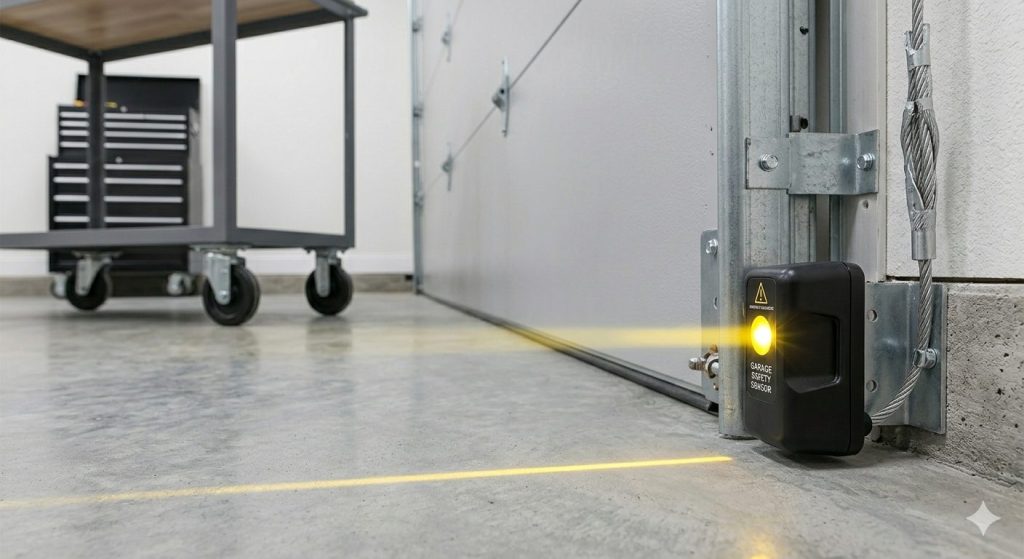
Garage door sensors are essential for the safety and smooth operation of your garage door. Over time, exposure to moisture, road salt, and changing weather can cause the metal brackets that hold these sensors in place to develop rust and corrosion. When this happens, the sensors may become misaligned or stop working altogether, leading to potential safety hazards and inconvenience.
Addressing rust and corrosion on your garage door sensor brackets promptly can extend the life of your system and help avoid costly repairs. In this guide, you’ll learn practical steps for identifying, treating, and preventing rust on these critical components. We’ll also share tips for maintaining your garage door sensors and highlight common mistakes to avoid.
If your brackets are mounted on metal studs or you face other installation challenges, you might find it helpful to review how to fix garage door sensor mounting on metal studs for additional insights.
Understanding Why Garage Door Sensor Brackets Rust
Metal brackets are prone to rust and corrosion due to exposure to moisture, humidity, and sometimes chemicals like road salt or cleaning agents. The process starts when water and oxygen interact with the metal, forming iron oxide, which weakens the bracket and can eventually cause it to fail. In garages that are not climate-controlled or are near coastal areas, this process can accelerate.
Corroded brackets can lead to sensor misalignment, causing the door to malfunction or refuse to close. This is not just inconvenient—it can also be a safety issue, as the sensors are designed to prevent the door from closing on people, pets, or objects.
Signs of Rust and Corrosion on Sensor Brackets
Early detection is key to preventing further damage. Here are some common indicators that your garage door sensor brackets may be affected:
- Visible reddish-brown patches on the metal bracket
- Flaking or pitting of the metal surface
- Difficulty keeping sensors aligned due to bracket instability
- Sensor lights flickering or not illuminating at all
If you notice any of these signs, it’s time to take action to restore your brackets and ensure your sensors function correctly.
Step-by-Step Process for Addressing Rusty Garage Door Sensor Brackets
Fixing a rusty sensor bracket is a straightforward process if you have the right tools and follow these steps:
- Disconnect Power: For safety, unplug your garage door opener or turn off the circuit breaker before working near the sensors.
- Remove the Sensor and Bracket: Carefully detach the sensor from the bracket. Most brackets are held in place with screws or bolts. Take care not to damage the wiring.
- Clean Off Loose Rust: Use a wire brush or sandpaper to remove as much surface rust as possible. For stubborn spots, a rust remover or vinegar solution can help break down corrosion.
- Treat the Metal: Once the loose rust is gone, wipe the bracket clean. Apply a rust converter or primer to neutralize any remaining corrosion and prepare the surface for painting.
- Paint or Coat: Use a rust-resistant spray paint or protective coating designed for metal. Allow it to dry completely before reinstallation.
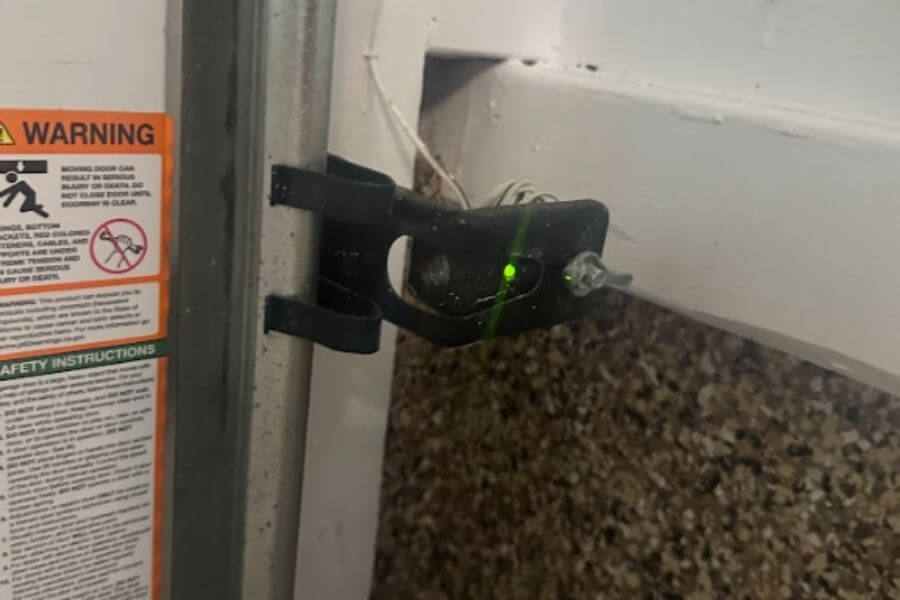
- Reinstall the Bracket and Sensor: Attach the bracket securely and realign the sensor. Make sure the sensors are facing each other and the indicator lights are on.
- Test the System: Restore power and test the garage door to ensure the sensors are working correctly.
If the bracket is severely corroded or weakened, replacement is often the best option. Replacement brackets are inexpensive and widely available at hardware stores.
Preventing Future Rust and Corrosion
Once you’ve addressed existing rust, taking steps to prevent recurrence is essential. Here are some practical tips:
- Apply a protective coating or paint to all metal parts, especially if your garage is damp or unheated.
- Inspect brackets regularly for early signs of rust and address them promptly.
- Keep the area dry by improving garage ventilation and avoiding water pooling near the door.
- Use stainless steel or galvanized brackets for better resistance to corrosion.
Regular maintenance not only prevents rust but also ensures your garage door sensors remain reliable and safe.
Common Mistakes to Avoid When Repairing Sensor Brackets
While fixing sensor bracket rust is generally straightforward, there are a few pitfalls to watch out for:
- Neglecting to disconnect power before working on the sensors, which can pose a safety risk.
- Using the wrong type of paint or coating that doesn’t protect against rust.
- Failing to realign sensors after reinstalling the bracket, leading to operational issues.
- Ignoring underlying moisture problems that cause repeated rusting.
If you notice your sensor indicator light is missing or malfunctioning after repairs, you may want to consult why is my garage door sensor indicator light missing for troubleshooting tips.
When to Replace Instead of Repair
Sometimes, cleaning and treating rust is not enough. If the bracket is structurally compromised, bent, or the sensor cannot be secured firmly, replacement is the safest option. For guidance on dealing with physical damage or bending, see how to fix garage door sensor bracket bending.
Replacement brackets are usually inexpensive and easy to install. Choose brackets made from rust-resistant materials for better long-term performance.
Additional Resources for Garage Door Sensor Maintenance
For more detailed troubleshooting of sensor issues, including alignment and electrical problems, check out this comprehensive guide to troubleshooting garage door sensors.
If you experience issues with your sensor lights turning off and on unexpectedly, you might also benefit from reading why is my garage door sensor light turning off and on.
Temperature changes can also affect sensor alignment and performance. Learn how to address this with how to fix garage door sensor from shifting due to temperature.
FAQ
What causes garage door sensor brackets to rust so quickly?
Garage environments are often exposed to moisture, humidity, and sometimes chemicals like road salt or cleaning agents. These conditions accelerate the oxidation process, especially if the brackets are made from untreated steel or if protective coatings have worn away.
Can I use household products to remove rust from sensor brackets?
Yes, common household items like white vinegar or baking soda can help remove light rust. For heavier corrosion, a commercial rust remover or a wire brush may be necessary. Always finish by applying a rust-resistant primer or paint to prevent recurrence.
How do I know if my garage door sensor needs realignment after fixing the bracket?
After reinstalling the bracket, check that the sensors are facing each other directly and that the indicator lights are steady (not blinking). If the door still won’t close or the lights are off, adjust the sensors until they are properly aligned and test the system.
Is it safe to operate my garage door if the sensor bracket is rusty?
Operating your garage door with a rusty or unstable bracket is not recommended. The sensor could become misaligned or fall off, disabling the safety mechanism and increasing the risk of injury or property damage.