Garage door sensors are essential for the safety and smooth operation of your garage door system. When these sensors experience pulse issues or glitches, your garage door may refuse to close, reverse unexpectedly, or display blinking lights. Understanding how to fix garage door sensor pulse issues can save you time, money, and frustration, while also ensuring your garage remains secure and functional.
This guide will walk you through the most common causes of sensor pulse malfunctions, step-by-step troubleshooting, and practical solutions. Whether you’re a homeowner tackling a DIY repair or simply want to understand what’s happening before calling a professional, you’ll find actionable advice here.
Before diving into the details, it’s helpful to know that some sensor problems are unique to certain setups. For example, if your sensors are mounted on metal studs, you may want to check out this resource on how to fix garage door sensor mounting on metal studs for additional guidance.
Understanding Garage Door Sensor Pulse Malfunctions
Garage door sensors use an infrared beam to detect obstacles and ensure safe operation. When the pulse signal between the sending and receiving sensor is disrupted, the door may not function as intended. Typical symptoms of pulse issues include:
- The door won’t close or reverses immediately after trying to close.
- Sensor indicator lights are blinking or off.
- Intermittent operation, where the door works sometimes but not consistently.
Pulse glitches can be caused by misalignment, wiring problems, dirt or debris, electrical interference, or even environmental factors like sunlight or temperature changes. Recognizing these symptoms is the first step in resolving the problem.
Common Causes of Sensor Pulse Glitches
To effectively address garage door sensor pulse issues, it’s important to identify the root cause. Here are some of the most frequent culprits:
- Sensor Misalignment: If the sensors are not facing each other directly, the infrared beam cannot travel between them, leading to pulse interruptions.
- Dirty or Obstructed Lenses: Dust, spider webs, or debris on the sensor lenses can block the signal.
- Wiring Problems: Loose, frayed, or damaged wires can disrupt the electrical connection and cause signal loss.
- Electrical Interference: Nearby electrical devices or faulty power sources can interfere with sensor pulses.
- Sunlight or Weather Effects: Direct sunlight or extreme temperatures can sometimes affect sensor performance.
For more on how environmental factors can affect your sensors, see this article on how to troubleshoot garage door sensor issues in summer.

Step-by-Step Guide to Resolving Sensor Pulse Problems
Follow these steps to diagnose and fix most sensor pulse glitches:
1. Inspect Sensor Alignment
Check that both sensors are mounted at the same height and facing each other directly. Even a slight misalignment can break the infrared beam. Adjust the brackets as needed, and tighten any loose screws. If you notice bracket damage, refer to this resource on how to fix garage door sensor bracket bending for repair tips.
2. Clean Sensor Lenses
Use a soft, dry cloth to gently wipe the lenses. Avoid using harsh chemicals, as they can damage the plastic. Remove any cobwebs, dust, or debris that might be blocking the beam.
3. Check for Obstructions
Look for any objects, such as bikes, tools, or storage bins, that might be blocking the path between the sensors. Even small items can disrupt the signal.
4. Examine Wiring Connections
Inspect the wires leading to each sensor for visible damage or loose connections. If you find frayed wires, carefully strip and reconnect them, or replace them if necessary. Make sure all connections are secure.
5. Test the Indicator Lights
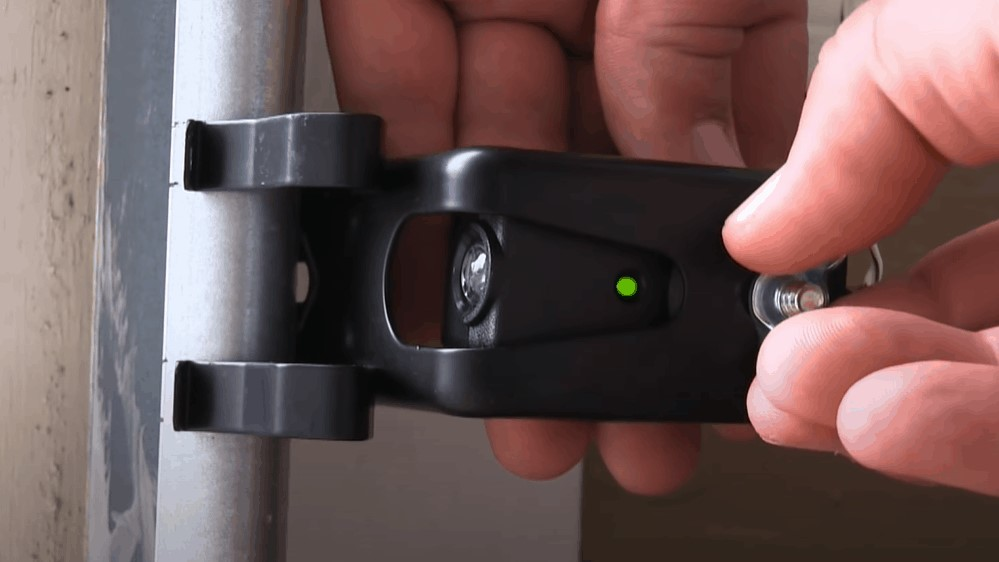
Most sensors have indicator lights that show their status. A steady light usually means the sensor is working, while blinking or no light indicates a problem. If your indicator light is missing or not functioning, see this article on why is my garage door sensor indicator light missing for troubleshooting help.
6. Address Electrical Interference
Unplug or move any electronic devices near the sensors that could cause interference. If the problem persists, try plugging the garage door opener into a different outlet or using a surge protector.
7. Protect from Sunlight and Weather
If direct sunlight is hitting the sensors, try shading them with a small cover or repositioning them slightly. For temperature-related issues, ensure the sensors are rated for your climate and check for condensation or ice buildup.
Advanced Troubleshooting for Persistent Pulse Glitches
If you’ve tried the above steps and your garage door is still experiencing pulse problems, consider these additional measures:
- Replace Faulty Sensors: Sensors can wear out over time. If cleaning and realignment don’t help, replacing the sensors may be necessary.
- Check the Garage Door Opener: Sometimes, the problem lies with the opener’s circuit board or logic unit. Consult your manufacturer’s manual for diagnostic procedures.
- Consult a Professional: If you’re unable to resolve the issue, a qualified technician can perform more advanced diagnostics and repairs.
For more details on sensor light behavior, see this helpful guide on why is my garage door sensor light turning off and on.

When to Replace or Upgrade Your Sensors
If your sensors are more than 10 years old or have been exposed to harsh conditions, they may be due for replacement. Modern sensors are more reliable and often easier to install. If you’re considering an upgrade, look for models with improved weather resistance and diagnostic features.
For those looking to purchase new sensor lights, you can find a range of options online. Always ensure compatibility with your garage door opener brand and model.
Additional Resources and Expert Help
Sometimes, blinking lights on your sensors can indicate specific error codes. For a detailed explanation of what different blinking patterns mean and how to address them, refer to this comprehensive guide to garage door sensor blinking lights.
Remember, while many sensor pulse problems can be fixed with basic tools and a methodical approach, don’t hesitate to call a professional if you’re unsure or uncomfortable with electrical work.
Frequently Asked Questions
Why does my garage door reverse after closing partway?
This usually indicates a sensor pulse interruption. Check for misalignment, obstructions, or dirty lenses. If the problem persists, inspect wiring and test the sensors for faults.
How can I tell if my garage door sensor is bad?
Signs of a faulty sensor include no indicator light, persistent blinking, or inconsistent operation even after cleaning and realignment. If replacing the sensor resolves the issue, the old one was likely defective.
Can sunlight really affect garage door sensors?
Yes, direct sunlight can sometimes interfere with the infrared beam, causing false readings or pulse glitches. Shading the sensors or repositioning them can help reduce this problem.
What should I do if my sensor lights are not turning on?
Check the power supply, wiring connections, and ensure the sensors are properly connected to the opener. If the lights remain off, the sensors or the opener’s circuit board may need replacement.
Is it safe to bypass garage door sensors?
Bypassing sensors is not recommended, as it disables a critical safety feature. Always repair or replace malfunctioning sensors to keep your garage door system safe for everyone.