Garage door sensors are a critical safety feature, preventing your door from closing if something is in its path. However, many homeowners encounter a frustrating problem: sunlight can interfere with these sensors, causing the door to refuse to close even when nothing is blocking the way. If you’re searching for practical advice on how to fix garage door sensor sun glare issues, you’re not alone. Sun glare is a common culprit behind malfunctioning sensors, especially during certain times of the day or year.
This article provides clear, step-by-step solutions to eliminate sun interference for good. You’ll learn why sunlight affects your sensors, how to identify the symptoms, and which proven fixes will restore reliable operation. Along the way, we’ll reference additional resources, such as guidance on how to fix garage door sensor mounting on metal studs, to ensure you have all the information you need for a safe, smoothly operating garage door.
Understanding Sunlight Interference with Garage Door Sensors
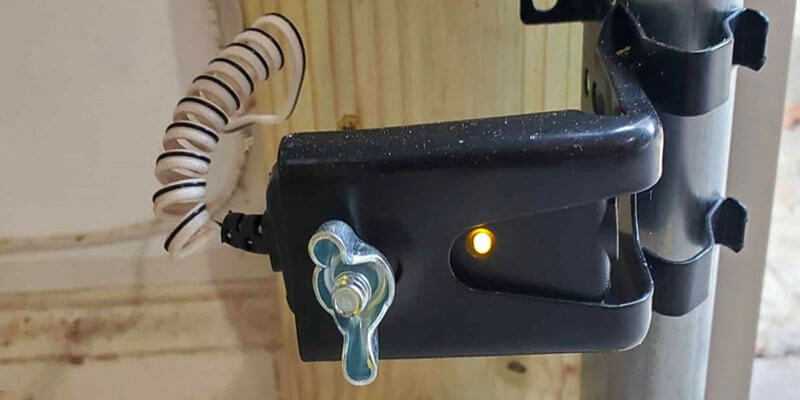
Most modern garage doors use a pair of photoelectric sensors—one sends an infrared beam, and the other receives it. If the beam is blocked, the door won’t close. Unfortunately, direct sunlight can overwhelm the receiver, mimicking an obstruction and preventing the door from closing. This is especially common in the morning or evening when the sun is low and shines directly onto the sensor lens.
Common symptoms of sun glare problems include:
- The garage door reverses or refuses to close during certain times of day.
- The sensor indicator light flickers or turns off when exposed to sunlight.
- The door works fine at night or on cloudy days.
If you’re experiencing these issues, you’re likely dealing with sun interference. For other sensor troubleshooting, such as when your garage door sensor indicator light is missing, consult specialized guides.
Step-by-Step Solutions for Sun Glare on Garage Door Sensors
There are several effective methods to resolve sunlight interference. Here’s how to address the issue and prevent future problems:
1. Adjust the Sensor Alignment and Position
Sometimes, a small adjustment is all it takes. Try the following:
- Gently pivot the sensor away from direct sunlight while maintaining alignment with the other sensor.
- Lower or raise the sensor bracket slightly to change the angle of exposure.
- Ensure both sensors are clean and free from dust or debris, which can amplify glare.
If your sensors are mounted on metal studs, you may need to review tips on how to fix garage door sensor mounting on metal studs for secure positioning.

2. Install a Sun Shield or Shade
One of the most reliable ways to block sunlight is by adding a physical barrier:
- Use a small piece of opaque plastic, cardboard, or even a section of PVC pipe to create a shield around the receiver sensor.
- Ensure the shield does not block the infrared beam between the sensors.
- Commercial sun shields are available for many sensor models and offer a clean, durable solution.
This simple fix is often enough to prevent sunlight from interfering with the sensor’s operation.
3. Swap Sensor Sides (If Possible)
Some garage door openers allow you to swap the sending and receiving sensors. If only one side is exposed to sunlight, moving the receiver to the shaded side can resolve the issue. Consult your opener’s manual to see if this is an option for your system.
4. Use Polarizing or Tinted Film
Applying a small piece of polarizing or tinted film over the receiver lens can help filter out sunlight while still allowing the infrared beam to pass through. Be careful not to use material that is too dark, as this could interfere with normal operation.
5. Upgrade to Sunlight-Resistant Sensors
If you live in an area with intense sunlight or if other fixes don’t work, consider upgrading to sensors specifically designed to resist sun interference. Modern sensors often include filters or improved circuitry to minimize false triggers from sunlight.
Testing and Confirming the Fix
After making adjustments, it’s important to test your sensors:
- Close the garage door during the time of day when sun glare is usually a problem.
- Check that the indicator lights on both sensors remain steady (not flickering or off).
- If the door still won’t close, try additional fixes or combine solutions for better results.
For a detailed process on checking sensor function, see this step-by-step guide to testing garage door sensors.
Preventing Future Sun Glare Problems
Once you’ve resolved the immediate issue, consider these tips to prevent future problems:
- Regularly clean the sensor lenses to remove dust and debris.
- Inspect the sensor brackets for bending or damage—see advice on fixing garage door sensor bracket bending if needed.
- Monitor the area around your sensors for changes (such as new landscaping or objects) that could reflect sunlight onto the lens.
- Test your sensors seasonally, as the sun’s angle changes throughout the year.
Proactive maintenance will help ensure your garage door operates smoothly and safely, regardless of weather or sunlight conditions.
Related Sensor Issues and Troubleshooting
Sun glare isn’t the only factor that can cause sensor malfunctions. Other common issues include:
- Temperature fluctuations causing sensor misalignment—see how to fix garage door sensor shifting due to temperature.
- Indicator lights turning off and on unexpectedly—learn more at why is my garage door sensor light turning off and on.
- Physical damage to sensor brackets or wiring.
Addressing these related problems can further improve your garage door’s reliability and safety.
Frequently Asked Questions
What causes sunlight to interfere with garage door sensors?
Sunlight, especially when direct, can overwhelm the receiver sensor’s ability to detect the infrared beam from the sender. This mimics an obstruction and prevents the door from closing, even when the path is clear.
Can I use any material to shield my sensors from the sun?
It’s best to use opaque materials that do not block the infrared beam between the sensors. Cardboard, plastic, or commercial sun shields work well. Avoid materials that reflect light or are too thick, as they may cause other issues.
How do I know if my sensors are misaligned or just affected by sunlight?
If your garage door works fine at night or on cloudy days but fails in direct sunlight, sun glare is likely the problem. If the issue persists regardless of lighting, check for misalignment, dirt, or wiring problems.
Is it safe to cover the sensor lens with tape or film?
Only use clear or lightly tinted film designed for optical use. Opaque tape or dark materials can block the infrared beam and cause the sensors to malfunction.
Should I replace my sensors if sun glare keeps causing problems?
If other fixes don’t work, upgrading to newer, sunlight-resistant sensors is a good solution. Many modern models are designed to filter out sunlight and reduce false triggers.