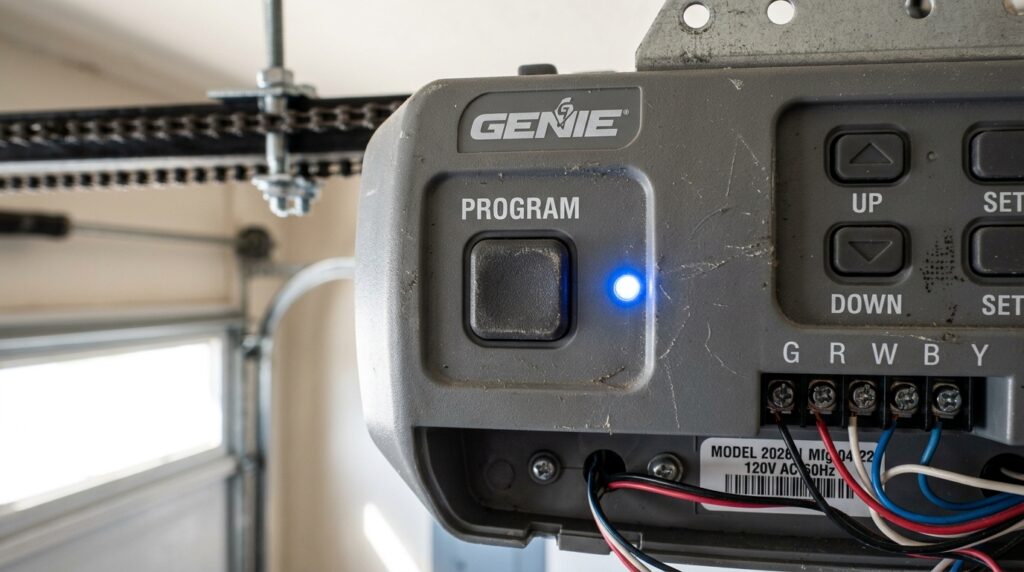
Garage door sensors are essential for safety and convenience, but when they fall out of sync, your garage door may refuse to close or open properly. Understanding how to fix garage door sensor sync issues is crucial for homeowners who want to restore reliable operation without unnecessary service calls. This guide walks you through the most common causes of sensor synchronization problems, step-by-step troubleshooting, and practical solutions for both single and multi-unit setups.
Before diving into fixes, it’s important to know that sensor sync issues can result from misalignment, wiring faults, interference, or even environmental factors. If you’re dealing with a more specific installation challenge, such as mounting sensors on metal studs, you may also find value in our related guide on how to fix garage door sensor mounting on metal studs.
Understanding Garage Door Sensor Synchronization
Garage door sensors typically use an infrared beam to detect obstructions. For the system to function, the sending and receiving units must be properly aligned and communicate without interference. When synchronization fails, the door opener may interpret this as a safety risk and refuse to operate. Recognizing the signs of a sync issue is the first step towards a solution.
- The door reverses immediately after attempting to close
- Indicator lights on the sensors blink or remain off
- One or both sensors are unresponsive
These symptoms suggest a loss of communication or misalignment between the sensor units, which is a common challenge in both new and aging garage door systems.
Common Causes of Sensor Sync Problems
Several factors can disrupt the connection between garage door sensors. Understanding these causes will help you target the right fix:
- Misalignment: Sensors must face each other directly for the infrared beam to connect. Even a slight bump can knock them out of alignment.
- Obstructions: Dirt, spider webs, or debris can block the beam, causing the system to lose sync.
- Wiring Issues: Loose, frayed, or damaged wires can interrupt the signal between the opener and the sensors.
- Electrical Interference: Nearby electronics or faulty power sources may disrupt sensor communication.
- Sunlight or Weather: Direct sunlight or moisture can interfere with the infrared beam, especially in certain orientations.
Addressing these root causes is essential for restoring proper synchronization and avoiding repeated malfunctions.
Step-by-Step Guide to Resolving Sensor Synchronization Issues
Follow these steps to troubleshoot and resolve sensor sync problems between units:
-
Inspect and Clean the Sensors
- Wipe the sensor lenses with a soft, dry cloth to remove dust, dirt, or cobwebs.
- Check for physical obstructions on or near the sensor path.
-
Check Sensor Alignment
- Ensure both sensors are mounted at the same height and directly face each other.
- Most sensors have indicator lights; a steady light usually means proper alignment, while blinking or no light indicates a problem.
-
Examine Wiring Connections
- Inspect wires for visible damage or loose connections at both the sensor and opener terminals.
- Secure any loose wires and replace damaged sections if needed.
- If you suspect wiring issues, see our article on how to fix garage door sensor wiring using electrical tape for safe repair tips.
-
Test for Electrical Interference
- Unplug nearby devices that may cause interference and test the door again.
- Try plugging the opener into a different outlet if possible.
-
Reset the Sensors
- Some systems require a reset to re-establish sync. Refer to your opener’s manual or follow a trusted guide such as these instructions on resetting garage door sensors.
-
Replace Faulty Sensors
- If all else fails, one or both sensors may be defective. Replacement is often straightforward and restores full functionality.
Special Considerations for Multi-Door and Multi-Unit Garages
In garages with more than one door or opener, synchronization issues can be more complex. Each set of sensors must be correctly paired with its respective opener. Mixing up wiring or sensor placement can cause cross-interference and unpredictable behavior.
- Label each sensor and wire during installation or maintenance to avoid confusion.
- Test each door independently after making adjustments to ensure proper operation.
- If you encounter persistent problems, consult manufacturer documentation or consider professional help, especially for older or proprietary systems. For legacy models, our resource on how to troubleshoot older garage door sensor models may be helpful.
Preventing Future Sensor Sync Disruptions
Once you’ve resolved the immediate problem, a few maintenance habits can help prevent future synchronization failures:
- Regularly clean the sensor lenses and check for obstructions.
- Inspect wiring for wear, especially after storms or heavy use.
- Test the door’s safety reversal feature monthly to ensure sensors are working.
- Secure sensors firmly to prevent accidental bumps or misalignment.
Proactive care not only keeps your garage door functioning smoothly but also extends the lifespan of your safety system.
When to Seek Professional Assistance
While most synchronization issues can be fixed with the steps above, some situations call for expert help. If you notice persistent wiring problems, repeated sensor failures, or if your opener is an older or less common model, a professional technician can diagnose and resolve the issue efficiently. For troubleshooting specific brands, you might also benefit from our article on how to troubleshoot guardian garage door sensors.
Frequently Asked Questions
What are the signs that my garage door sensors are out of sync?
Common indicators include the garage door reversing unexpectedly, blinking or unlit sensor indicator lights, and the door refusing to close even when the path is clear. These symptoms suggest the sensors are not communicating properly.
Can I fix sensor synchronization problems myself, or do I need a professional?
Most sync issues can be resolved by cleaning, realigning, and checking the wiring of your sensors. However, if problems persist after these steps or if you encounter complex wiring faults, it’s wise to consult a professional technician.
How often should I check my garage door sensors for synchronization?
It’s recommended to inspect and test your sensors monthly. Regular checks help catch minor issues before they become major problems, ensuring your garage door operates safely and reliably.
Are there any quick resets for garage door sensors?
Many garage door openers allow you to reset the sensors by unplugging the opener for a minute or by following a specific reset procedure in the manufacturer’s manual. For detailed steps, refer to trusted resources like these reset instructions.
Conclusion
Dealing with synchronization problems between garage door sensors can be frustrating, but with a systematic approach, most issues can be resolved quickly. By following the troubleshooting steps outlined above and maintaining your sensors regularly, you can restore safe and reliable operation. For more advanced or persistent issues, don’t hesitate to seek professional support or explore our related guides, such as how to fix a garage door sensor that triggers randomly. Keeping your sensors in sync ensures your garage door remains both convenient and safe for everyday use.