A malfunctioning garage door sensor that opens or closes unexpectedly can be both frustrating and a safety concern. If your garage door seems to have a mind of its own, triggering without any clear reason, you’re not alone. Many homeowners experience this issue, and it’s often caused by a few common problems that are relatively easy to identify and resolve. In this guide, you’ll learn practical steps for diagnosing and correcting the most frequent causes of random sensor activation, helping you restore reliable operation to your garage door system.
Whether you’re dealing with misalignment, wiring issues, or environmental interference, understanding how to fix garage door sensor that triggers randomly will save you time, money, and hassle. Before calling a professional, try the troubleshooting steps below to address the problem yourself.
If your garage door sensors are mounted on metal studs or you suspect wiring issues, you may also find it helpful to review how to fix garage door sensor mounting on metal studs for additional troubleshooting tips.
Common Reasons for Random Garage Door Sensor Activation
Understanding why your garage door sensor is acting unpredictably is the first step toward a solution. Here are some of the most frequent causes:
- Sensor misalignment: If the sending and receiving sensors are not perfectly aligned, the system may interpret this as an obstruction or trigger false signals.
- Wiring problems: Loose, frayed, or damaged wires can cause intermittent connections, leading to random activation.
- Dirty or obstructed lenses: Dust, spider webs, or debris on the sensor lenses can block the infrared beam, confusing the system.
- Sunlight or environmental interference: Direct sunlight or reflective surfaces can disrupt the sensor’s signal.
- Faulty sensor hardware: Over time, sensors themselves may fail due to age, moisture, or impact.
Step-by-Step Guide to Resolving Unpredictable Sensor Behavior
Follow these steps to address the most common causes of random garage door sensor activation. Each step is designed to be safe and achievable for most homeowners.
1. Inspect and Clean the Sensor Lenses
Start by checking both sensors at the base of your garage door tracks. Wipe the lenses gently with a soft, dry cloth to remove any dust, dirt, or cobwebs. Even a small obstruction can cause the sensors to misread the environment.
2. Check Sensor Alignment
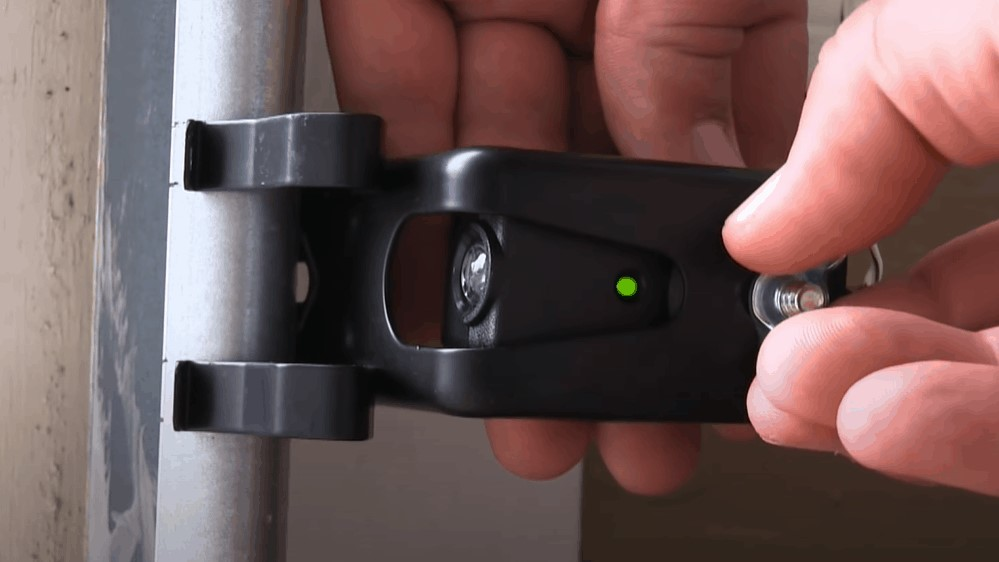
Misaligned sensors are a leading cause of erratic garage door behavior. Both sensors should face each other directly, with their indicator lights steady (not blinking). If you notice a blinking light, gently adjust one or both sensors until the lights remain solid.
For a more detailed approach to verifying alignment without special tools, see how to test garage door sensor alignment without tools.
3. Examine the Wiring and Connections
Inspect the wires running from each sensor to the garage door opener. Look for loose connections, frayed wires, or corrosion at the terminals. If you find any issues, turn off the power to the opener before tightening connections or replacing damaged wire. For tips on safe repairs, you can refer to how to fix garage door sensor wire nuts and how to fix garage door sensor wiring using electrical tape.
4. Eliminate Environmental Interference
Direct sunlight or reflective surfaces near the sensors can interfere with their signal. If possible, shade the sensors or reposition reflective objects. Some homeowners use small shields or hoods to block sunlight from hitting the sensor lenses directly.
If your garage is exposed to harsh sunlight at certain times of day, consider scheduling door use outside those hours or installing a sun shield.
5. Test for Faulty Sensor Hardware
If the above steps don’t resolve the issue, the sensors themselves may be failing. Swap the sensors’ positions (left to right and vice versa). If the problem follows a specific sensor, replacement is likely needed. Replacement sensors are widely available and typically easy to install.
For more information on blinking sensor lights and what they indicate, see this comprehensive guide to garage door sensor blinking lights.
Preventing Future Sensor Issues
Once you’ve resolved the immediate problem, a few simple habits can help keep your garage door sensors working reliably:
- Clean sensor lenses monthly to prevent buildup of dust and debris.
- Check alignment after any accidental bump or impact to the sensors.
- Inspect wiring annually for signs of wear or corrosion.
- Keep the area around the sensors clear of objects and clutter.
If your garage door system is older, consider upgrading to newer sensors, which often feature improved resistance to sunlight and electrical interference.
When to Call a Professional
If you’ve tried all the above steps and your garage door sensor continues to trigger randomly, it may be time to consult a qualified technician. Persistent issues could indicate a deeper electrical problem or a malfunction in the garage door opener itself. Professional service can ensure your system is safe and reliable.
For those working with specific brands or advanced troubleshooting, you might also find how to troubleshoot guardian garage door sensors useful.
Frequently Asked Questions
Why does my garage door sensor light keep blinking?
A blinking sensor light usually indicates misalignment or an obstruction between the sensors. Check that both sensors are facing each other directly and that nothing is blocking the infrared beam. Dirty lenses or loose wiring can also cause the light to blink.
Can sunlight really affect my garage door sensors?
Yes, direct sunlight can interfere with the infrared beam between your sensors, causing false readings and unpredictable door operation. Installing sun shields or repositioning the sensors can help reduce this interference.
How do I know if my garage door sensor needs to be replaced?
If cleaning, realigning, and checking the wiring do not resolve the issue, and the problem follows a specific sensor when swapped, it’s likely time for a replacement. Sensors that are physically damaged or have persistent blinking lights despite troubleshooting should be replaced.
Is it safe to bypass a faulty garage door sensor?
Bypassing the safety sensors is not recommended, as they are designed to prevent accidents and injuries. If your sensors are malfunctioning, repair or replace them rather than disabling this critical safety feature.