Garage door sensors are essential for safety and convenience, but older models can sometimes be tricky to diagnose when they stop working correctly. Whether your garage door refuses to close, reverses unexpectedly, or the sensor lights are acting up, understanding how to approach these issues can save you time and money. This guide provides a step-by-step approach to identifying and resolving common sensor problems, using practical tips and clear explanations tailored for legacy systems.
If you’re dealing with mounting or wiring issues, you may also find it helpful to review resources like how to fix garage door sensor mounting on metal studs for additional troubleshooting strategies specific to your setup.

Understanding How Legacy Garage Door Sensors Work
Most older garage door sensors operate using an infrared beam that runs between two units: a sender and a receiver, typically mounted a few inches above the ground on either side of the door. If the beam is blocked or the sensors are misaligned, the door will not close for safety reasons. Over time, dust, vibrations, and wiring wear can cause these sensors to malfunction.
Recognizing the basic operation of your system is the first step in diagnosing garage door sensor issues. Older models may not have advanced diagnostics or LED indicators, so troubleshooting often relies on visual inspection and manual testing.
Common Signs of Sensor Problems
Several symptoms can indicate trouble with legacy garage door sensors:
- The door begins to close but reverses immediately.
- Indicator lights on one or both sensors are off or blinking.
- The door only closes when you hold down the wall button.
- There is no response from the garage door opener at all.
These issues can often be traced back to alignment, wiring, or obstructions. Before replacing any parts, it’s important to systematically check each potential cause.
Step-by-Step Guide: Diagnosing and Fixing Sensor Issues
1. Inspect for Physical Obstructions and Clean the Lenses
Start by checking for any objects, dust, or cobwebs blocking the sensor path. Use a soft, dry cloth to gently clean the sensor lenses. Even a thin layer of grime can disrupt the infrared beam, especially on older units with less sensitive optics.
2. Check Sensor Alignment
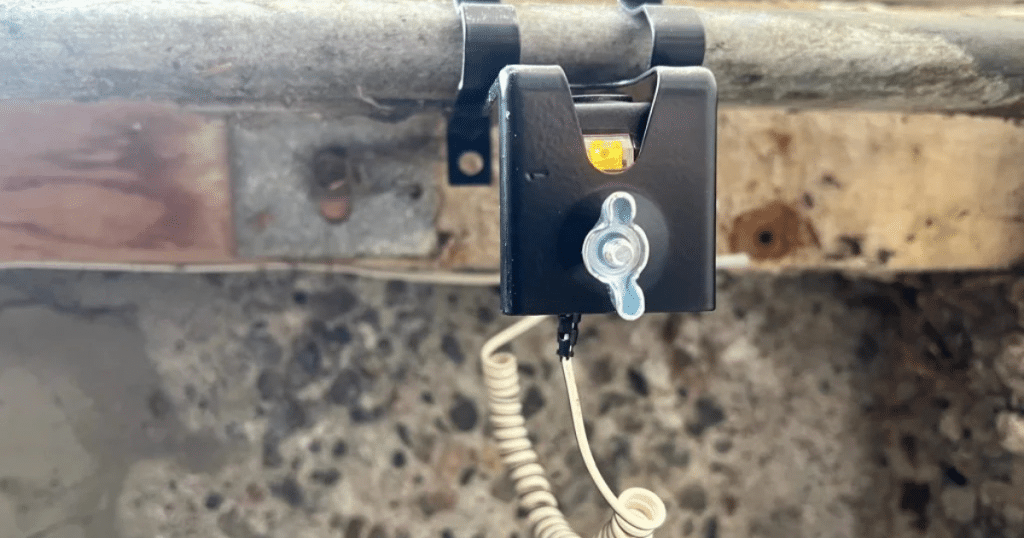
Misalignment is a frequent cause of sensor failure. Both units must face each other directly for the beam to connect. Gently adjust the sensors until the indicator lights (if present) are steady. On some older models, the light may be dim or absent, so listen for a faint click or test the door’s operation after each adjustment.
If you’re struggling with mounting hardware, consider reviewing how to fix garage door sensor mounting on metal studs for tips on stabilizing sensors on different surfaces.
3. Examine Wiring and Connections
Wiring issues are common in aging systems. Inspect the wires leading to each sensor for frays, corrosion, or loose connections. If you notice exposed or damaged wires, you may want to reference how to fix garage door sensor wiring using electrical tape for a safe, temporary repair.
Ensure all wire nuts are tight and connections are secure. Sometimes, simply reseating the wires can restore function.
4. Test Sensor Functionality
Once you’ve cleaned, aligned, and checked the wiring, test the system. Try closing the door with the remote or wall button. If the door still won’t close, try holding the wall button down—if the door closes this way, the sensors are still not detecting each other properly.
For a more detailed testing process, you can consult guides like how to test if your garage door sensors are faulty, which outlines step-by-step methods for verifying sensor performance.
5. Addressing Intermittent or Random Sensor Failures
Sometimes, older sensors may work sporadically or trigger the door to reverse at random. This can be caused by fluctuating sunlight, vibration, or even electrical interference. If you’re experiencing these symptoms, see how to fix a garage door sensor that triggers randomly for advanced troubleshooting tips.
When to Replace or Upgrade Your Sensors
If you’ve exhausted all troubleshooting steps and your sensors still don’t work, it may be time to consider replacement. Older models can become unreliable due to internal component wear or outdated technology. Modern sensors offer improved reliability and easier diagnostics, making them a worthwhile investment for safety and convenience.
Before replacing, double-check the wiring at the opener unit itself, as sometimes a loose connection there can mimic sensor failure. If you do decide to upgrade, ensure compatibility with your existing garage door opener.
Preventive Maintenance Tips for Long-Term Reliability
To keep your garage door sensors working smoothly, follow these maintenance practices:
- Clean the lenses regularly to prevent dust buildup.
- Check alignment after any impact or vibration near the door.
- Inspect wiring annually for signs of wear or corrosion.
- Test sensor operation monthly by blocking the beam and confirming the door reverses.
Regular attention can help you avoid unexpected failures and extend the life of your system.
Additional Resources for Troubleshooting and Repair
For more in-depth repair techniques, you may find these resources helpful:
- how to fix garage door sensor wire nuts – for addressing connection issues at the sensor terminals.
- how to troubleshoot guardian garage door sensors – for model-specific troubleshooting advice.
Frequently Asked Questions
What are the most common reasons older garage door sensors stop working?
The most frequent causes include dirty or misaligned lenses, loose or corroded wiring, and physical obstructions blocking the infrared beam. Age-related component wear can also lead to intermittent failures.
How can I tell if my sensor problem is due to wiring or alignment?
If both sensor lights are off, wiring is likely the culprit. If one or both lights are on but the door won’t close, misalignment or obstruction is more probable. Testing the door with the wall button held down can help narrow down the issue.
Is it safe to bypass garage door sensors temporarily?
While some openers allow the door to close by holding down the wall button, bypassing sensors is not recommended for regular use. Sensors are a critical safety feature designed to prevent injury or damage. Always restore proper function as soon as possible.