Garage door sensors are essential for safety and smooth operation. However, over time, vibration from daily use can cause these sensors to become loose, misaligned, or unreliable. If you’ve noticed your garage door acting up, failing to close, or the sensor lights flickering, the culprit may be a sensor that has vibrated out of place. Addressing this issue promptly helps prevent further complications and ensures your garage door remains safe and functional.
This guide explains how to fix garage door sensor vibrating loose issues, including why it happens, how to identify the problem, and step-by-step instructions for securing your sensors. You’ll also find tips for preventing future loosening and learn when it’s time to call a professional. For those dealing with related sensor issues, you may also want to read about how to fix garage door sensor mounting on metal studs for additional troubleshooting advice.
Understanding Why Garage Door Sensors Vibrate Loose
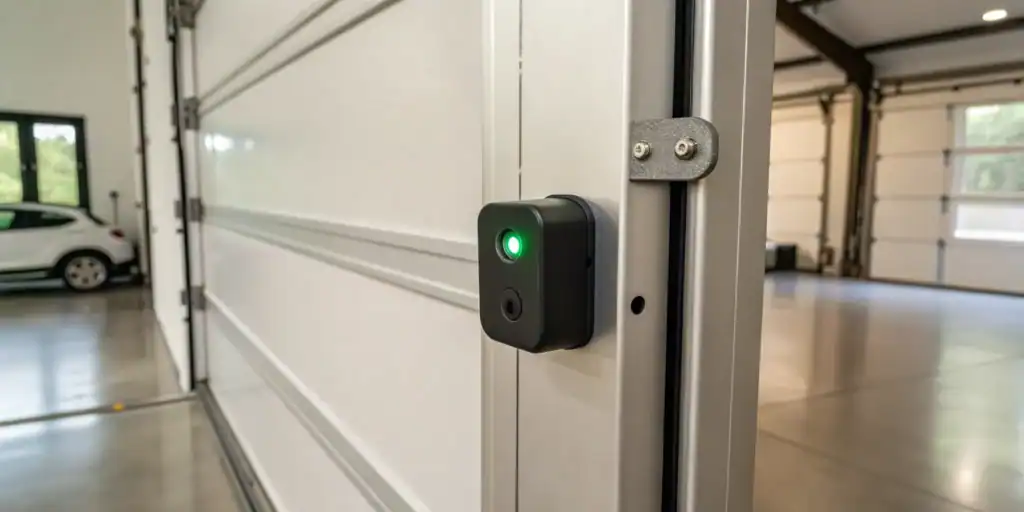
Garage door sensors are typically mounted near the bottom of the door tracks. Over time, the repeated opening and closing of the door, along with vibrations from the motor and track, can gradually loosen the mounting hardware. Environmental factors like temperature changes, humidity, and accidental bumps can also contribute to the problem. If left unchecked, a loose sensor can cause the door to stop working properly or create safety hazards.
Common signs that your sensor has vibrated loose include:
- The garage door reverses unexpectedly or won’t close all the way.
- Indicator lights on the sensors are off, blinking, or inconsistent.
- The sensors appear visibly misaligned or wobbly when touched.
- You hear rattling or notice movement when the door operates.
It’s important to address these symptoms early to avoid more significant repairs down the line. If you’re also experiencing issues with sensor lights, you might find it helpful to review why is my garage door sensor indicator light missing for additional troubleshooting steps.
Step-by-Step Guide: Securing a Loose Garage Door Sensor
Fixing a sensor that has become loose due to vibration is a straightforward process. Here’s how to get your system back in working order:
-
Disconnect Power for Safety
Before working on your garage door sensors, unplug the opener or turn off the circuit breaker to prevent accidental activation.
-
Inspect the Sensor Mounts
Check both sensors (usually located on either side of the door, 4–6 inches above the ground). Look for loose screws, brackets, or signs of movement.
-
Tighten the Mounting Hardware
Using a screwdriver or socket wrench, gently tighten the screws or bolts securing the sensor brackets to the door track or wall. Avoid overtightening, as this can crack plastic mounts or strip threads.
-
Realign the Sensors
Once the mounts are secure, ensure both sensors are facing each other directly. Most sensors have indicator lights that glow steadily when aligned. Adjust as needed until the lights are solid (not blinking).
-
Test the Door Operation
Restore power and test the garage door. The door should close smoothly, and the sensor lights should remain steady during operation.
-
Check for Recurring Issues
If the sensors continue to loosen, consider adding lock washers or thread-locking compound to the mounting screws. This can help resist vibration and keep the hardware secure over time.

Preventing Garage Door Sensors from Vibrating Loose Again
Once you’ve secured your sensors, it’s wise to take steps to prevent future loosening. Here are some practical tips:
- Use Lock Washers or Thread-Locking Compound: These additions help keep screws tight, even with frequent vibration.
- Check Sensor Alignment Regularly: Make it a habit to inspect your sensors every few months, especially if you notice operational issues.
- Avoid Bumping the Sensors: Be mindful when cleaning or moving items near the garage door tracks to prevent accidental contact.
- Address Environmental Factors: If your garage experiences significant temperature swings, consider reading about how to fix garage door sensor from shifting due to temperature for additional stabilization strategies.
Regular maintenance is key to keeping your garage door system reliable and safe for everyone in your household.

When to Replace or Upgrade Your Garage Door Sensors
Sometimes, tightening and realigning the sensors isn’t enough. If you notice persistent issues such as:
- Sensor lights that won’t turn on or stay solid, even after alignment
- Physical damage to the sensor housing or wiring
- Corrosion or wear on mounting brackets
- Repeated loosening despite using lock washers or thread-locking compound
It may be time to replace the sensors. Modern sensors are more resistant to vibration and environmental stress. For guidance on sensor light indicators and what different colors mean, check out this comprehensive guide to garage door sensor lights.
If your sensor brackets are bent or damaged, you can learn more about repairs in how to fix garage door sensor bracket bending.
Troubleshooting Other Common Sensor Problems
While vibration is a frequent cause of sensor misalignment, other issues can also affect performance:
- Dirty Sensor Lenses: Dust, cobwebs, or debris can block the sensor beam. Clean lenses gently with a soft cloth.
- Wiring Issues: Inspect wires for signs of wear, corrosion, or loose connections.
- Obstructions: Make sure nothing is blocking the path between the sensors.
- Power Supply Problems: Ensure the opener is plugged in and the circuit breaker is on.
For situations where the sensor light turns off and on unexpectedly, see why is my garage door sensor light turning off and on for more detailed troubleshooting.
Frequently Asked Questions
What tools do I need to secure a loose garage door sensor?
Typically, you’ll need a Phillips or flathead screwdriver, a socket wrench (if bolts are used), and possibly lock washers or thread-locking compound. A level can help ensure proper alignment.
How often should I check my garage door sensors for looseness?
It’s a good idea to inspect your sensors every three to six months, or anytime you notice operational issues such as the door reversing or sensor lights blinking.
Can I use glue or tape to secure a vibrating sensor?
It’s best to avoid adhesives or tape, as they may not withstand vibration or temperature changes. Properly tightening the mounting hardware and using lock washers or thread-locking compound is more effective and reliable.
What if my sensors keep coming loose even after tightening?
If the problem persists, check for stripped threads, damaged brackets, or excessive vibration from the opener. Replacing worn parts or upgrading to more robust mounting hardware can help resolve chronic issues.
Is it safe to operate my garage door if the sensor is loose?
Operating the door with a loose sensor can be unsafe, as the safety reversal system may not function correctly. Always secure and align sensors before using the door.
By following these steps and tips, you can address how to fix garage door sensor vibrating loose problems effectively and keep your garage door operating safely and reliably for years to come.