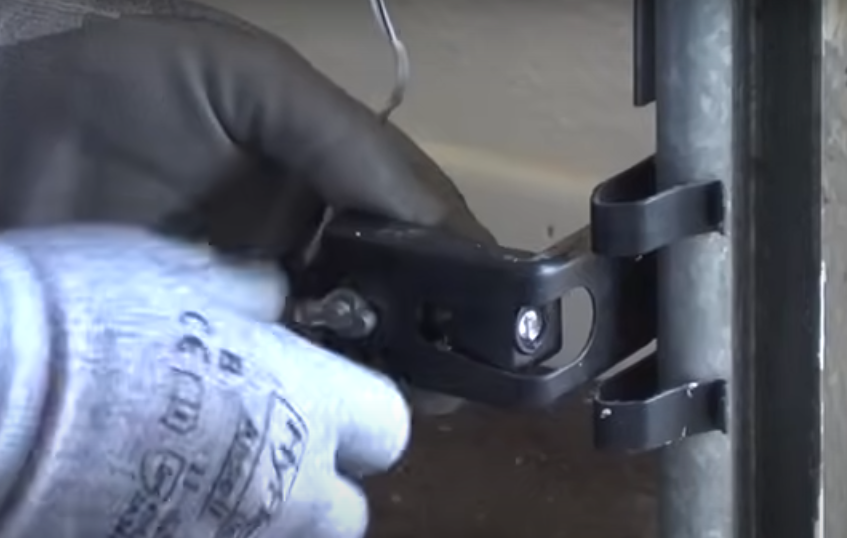
When your garage door refuses to close even though the sensor light is solid, it can be both confusing and inconvenient. Many homeowners encounter this issue and wonder what it means and how to resolve it. Understanding how to fix garage door sensor when light is solid but door won’t close is essential for restoring the function and safety of your garage door system. This article will walk you through the most common causes, step-by-step troubleshooting, and practical solutions to get your garage door working again.
Garage door sensors are designed to prevent accidents and injuries by detecting obstructions in the door’s path. A solid sensor light typically indicates that the sensors are powered and aligned, but other issues can still prevent the door from closing. We’ll explore these scenarios and provide actionable advice for resolving them.
If you’re dealing with related sensor issues, such as mounting on metal studs or indicator lights turning off and on, you may also find helpful information in our guide on how to fix garage door sensor mounting on metal studs.
Understanding Garage Door Sensor Operation
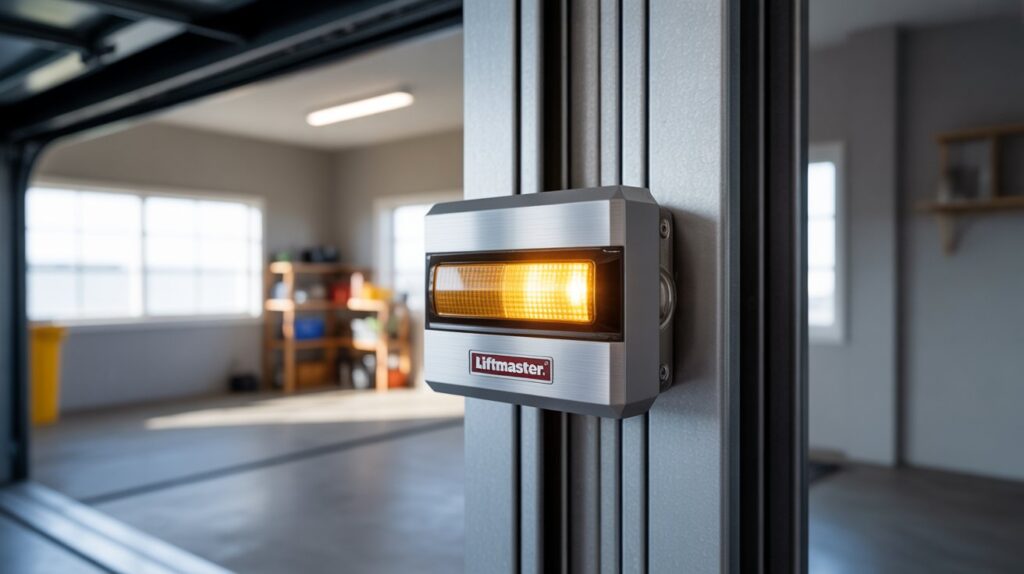
Garage door safety sensors use an infrared beam to detect objects in the door’s path. When both sensors are aligned and unobstructed, the system allows the door to close. A solid light on the sensor usually means the beam is uninterrupted and the sensors have power. However, a solid light does not always guarantee that the system is free of faults.
Manufacturers may use different colors for their sensor lights, but the meaning is generally the same: a solid light indicates proper alignment and power. If the door won’t close despite this, there may be other underlying issues.
Common Reasons the Door Won’t Close When Sensor Light Is Solid
Even with a steady sensor light, several factors can prevent your garage door from closing. Here are the most common causes:
- Obstructions in the Door’s Path: Small objects, debris, or even spider webs can block the infrared beam, sometimes without being obvious.
- Wiring Issues: Loose, frayed, or damaged wires can disrupt the signal between the sensors and the opener, even if the light appears solid.
- Faulty Sensor or Circuit Board: Internal sensor faults or a malfunctioning opener logic board can prevent the door from responding correctly.
- Manual Lock Engaged: Some garage doors have a manual lock that, when engaged, will stop the door from closing regardless of sensor status.
- Remote or Wall Button Problems: Issues with the remote control, wall switch, or keypad can also interfere with door operation.
If you notice your indicator light is missing altogether, our article on why is my garage door sensor indicator light missing covers this specific problem.
Step-by-Step Troubleshooting for a Solid Sensor Light and Non-Closing Door
To resolve the issue, follow these steps to systematically check each possible cause:
1. Inspect for Obstructions and Clean the Sensors
Carefully examine the area around the sensors and the floor beneath the door. Remove any debris, leaves, or objects that could be interfering with the infrared beam. Wipe the sensor lenses gently with a soft, dry cloth to remove dust or cobwebs.
2. Check Sensor Alignment and Mounting
Even if the light is solid, slight misalignment can sometimes cause intermittent problems. Verify that both sensors are facing each other directly and are mounted at the same height. If your sensors are mounted on metal studs or brackets, temperature changes can cause them to shift. For more details, see our resource on how to fix garage door sensor from shifting due to temperature.
3. Examine Wiring and Connections
Inspect the wires leading to each sensor. Look for loose connections, frayed wires, or corrosion at the terminals. Gently wiggle the wires to see if the sensor light flickers or if the door responds. If you find damaged wiring, it may need to be repaired or replaced.
4. Test the Opener and Controls
Try closing the door using both the wall button and the remote control. If the door closes with one but not the other, the issue may be with the remote or wall switch. Replace batteries in remotes and check for stuck buttons or worn contacts.
5. Look for Manual Locks or Other Physical Barriers
Check if a manual lock is engaged on the garage door. Some doors have a slide lock or similar mechanism that physically prevents the door from moving, regardless of the sensor status.
6. Reset the Garage Door Opener
Unplug the opener from the power outlet for 30 seconds, then plug it back in. This can reset the system and clear minor electronic glitches. After resetting, test the door again.
Advanced Troubleshooting and When to Call a Professional
If you’ve tried all the steps above and the door still won’t close, the issue may be with the opener’s circuit board or the sensors themselves. In these cases, professional diagnosis is recommended. Persistent problems could indicate a failing logic board, which may require replacement.
For more in-depth troubleshooting tips, you can consult guides like this comprehensive resource on garage door sensor troubleshooting.
If you notice physical damage to the sensor brackets, our article on how to fix garage door sensor bracket bending provides repair advice for bent or broken mounts.
Preventing Future Sensor Problems
Regular maintenance can help you avoid future issues with your garage door sensors:
- Keep the sensor lenses clean and free of dust or debris.
- Check alignment and wiring periodically, especially after storms or accidental bumps.
- Test the door’s safety reversal system monthly by placing a small object in the path and ensuring the door reverses.
- Inspect brackets and mounts for signs of bending or loosening.
If your sensor light turns off and on intermittently, see our troubleshooting guide on why is my garage door sensor light turning off and on for more specific advice.
Frequently Asked Questions
Why does my garage door sensor light stay solid but the door won’t close?
A solid sensor light means the sensors are aligned and powered, but other issues—such as wiring problems, obstructions, or a malfunctioning opener—can still prevent the door from closing. Follow the troubleshooting steps above to identify and resolve the cause.
Can I bypass the garage door sensor if the door won’t close?
Most modern openers allow you to hold down the wall button to force the door to close, but this should only be done temporarily and with caution. Bypassing the sensor removes an important safety feature, so it’s best to fix the underlying problem as soon as possible.
How often should I clean and check my garage door sensors?
It’s a good idea to inspect and clean your sensors monthly, especially if your garage is prone to dust, cobwebs, or debris. Regular maintenance helps prevent unexpected malfunctions and keeps your system safe.
What if my sensor light is missing or flickering?
A missing or flickering light may indicate a power issue, misalignment, or a faulty sensor. Refer to our detailed guide on why is my garage door sensor indicator light missing for targeted troubleshooting steps.
Conclusion
Dealing with a garage door that won’t close—even when the sensor light is solid—can be frustrating, but a systematic approach to troubleshooting will often reveal the solution. By checking for obstructions, verifying alignment, inspecting wiring, and testing controls, you can resolve most issues yourself. For persistent or complex problems, don’t hesitate to seek professional help to ensure your garage door system remains safe and reliable.