Garage door safety sensors are essential for preventing accidents and ensuring your door operates smoothly. When the wiring at the motor head becomes loose, damaged, or disconnected, your garage door may stop working, reverse unexpectedly, or refuse to close. Understanding how to fix garage door sensor wiring at the motor head can save you time, money, and frustration, especially if you want to avoid unnecessary service calls.
This guide covers the most common causes of sensor wiring issues at the opener unit, step-by-step troubleshooting, and practical repair tips. Whether you’re a homeowner with basic DIY skills or simply want to understand what a technician will do, you’ll find clear, actionable advice here.
If you’re dealing with other sensor issues, such as why is my garage door sensor indicator light missing, you may want to review related troubleshooting guides for a comprehensive solution.
Understanding Garage Door Sensor Wiring at the Opener
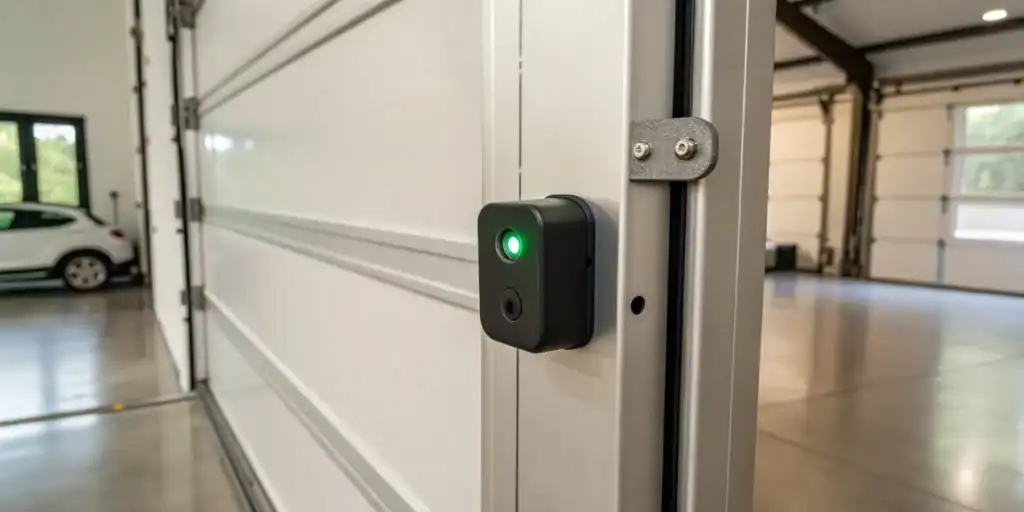
The sensors on each side of your garage door are connected to the opener’s motor head via low-voltage wires. These wires carry signals that tell the opener if the path is clear or obstructed. Problems at the motor head—where the wires terminate—can interrupt this communication, causing the door to malfunction.
- Loose connections can result from vibrations or accidental tugs.
- Corrosion or oxidation at the terminals may disrupt the electrical flow.
- Broken or frayed wires can occur due to age, rodents, or improper installation.
- Incorrect wiring after a previous repair or opener replacement can also cause issues.
Before you begin repairs, always disconnect power to the opener to avoid electrical hazards.
Common Signs of Sensor Wiring Problems at the Motor Head
Identifying the symptoms of faulty wiring is the first step toward a fix. Look for these warning signs:
- The garage door won’t close or reverses immediately after starting to close.
- Both sensor lights are off, or one is blinking unexpectedly.
- The opener’s indicator light flashes a diagnostic code.
- You hear a clicking sound from the opener but no movement.
These symptoms often point to wiring issues at the opener unit, especially if the sensors themselves are aligned and free of debris.

Step-by-Step Guide: Repairing Sensor Wiring at the Opener
Follow these steps to safely and effectively address wiring issues at the motor head:
-
Disconnect Power
Unplug the garage door opener or switch off the circuit breaker. This prevents accidental shocks and protects the opener’s electronics. -
Access the Motor Head Terminals
Use a ladder to reach the opener. Remove the light cover or access panel to expose the wiring terminals, usually labeled “Sensor,” “Safety,” or “STB.” -
Inspect the Wires
Look for loose, frayed, or corroded wires. Gently tug each wire to check for secure connections. If a wire slips out, it needs to be re-secured. -
Clean the Terminals
If you see corrosion, use a small wire brush or a cotton swab with electrical contact cleaner to clean the terminals. -
Reconnect or Replace Wires
If a wire is broken, strip back a small section of insulation and reattach it to the correct terminal. Use a screwdriver to tighten the terminal screw. For badly damaged wires, cut and splice in a new section using wire nuts or crimp connectors. -
Double-Check Polarity
For most systems, polarity isn’t critical, but some brands require the white wire to go to “white” and the black or striped wire to “gray” or “red.” Refer to your opener’s manual for specifics. -
Restore Power and Test
Plug the opener back in or turn on the breaker. Test the door. The sensors should light up (one solid, one green or amber), and the door should close normally when the path is clear.
If the problem persists, check for wiring issues along the run from the sensors to the opener, or consider seeking professional help.
Tips for Preventing Future Wiring Issues
Once you’ve resolved the immediate problem, take steps to prevent future trouble:
- Secure wires along the ceiling and walls with insulated staples or cable clips, avoiding sharp bends or pinches.
- Keep wires away from moving parts and out of reach of pets or rodents.
- Periodically inspect connections at the opener, especially after storms or power surges.
- Label wires if you ever disconnect them for maintenance.
For more on preventing sensor problems, see advice on how to fix garage door sensor from shifting due to temperature.

When to Replace vs. Repair Sensor Wiring
While many wiring issues can be fixed with a simple reconnection or splice, some situations call for a complete replacement:
- Wires are brittle, cracked, or show signs of melting.
- Multiple splices exist along the run, increasing the risk of future failure.
- Rodent damage is extensive or insulation is missing.
In these cases, running new low-voltage wire from the sensors to the opener is the safest long-term solution. Use wire rated for garage door sensors (typically 22-gauge, two-conductor) and follow the same routing as the original installation.
If you’re unsure whether to repair or replace, consult a professional or refer to your opener’s manufacturer guidelines.
Understanding Sensor Light Indicators
Sensor lights provide valuable diagnostic information. A solid green or amber light typically means the sensors are aligned and receiving power. Blinking or no light often points to wiring or alignment issues. For a detailed explanation of what each color means and how to respond, see this guide to garage door sensor light colors.
If you’re also dealing with physical mounting challenges, such as metal studs, you may find this resource on how to fix garage door sensor mounting on metal studs helpful.
Related Troubleshooting Topics
- How to Fix Garage Door Sensor Bracket Bending and Damage
- Why Is My Garage Door Sensor Light Turning Off and On?
Exploring these topics can help you address other sensor-related issues that may arise alongside wiring problems.
Frequently Asked Questions
What tools do I need to repair garage door sensor wiring at the opener?
Basic tools include a screwdriver, wire stripper, ladder, and possibly a wire brush or contact cleaner. For splicing, use wire nuts or crimp connectors. Always ensure the power is off before starting.
How do I know if the problem is at the motor head or along the wire run?
If both sensor lights are out or blinking, and you’ve checked alignment and cleanliness, inspect the wiring at the opener first. If connections are secure there, check the wire along its entire length for damage or breaks.
Can I use any wire for garage door sensors?
No, use low-voltage, two-conductor wire (typically 22-gauge) rated for garage door sensors. Using the wrong type can result in poor connections or electrical hazards.
Is it safe to repair sensor wiring myself?
Most homeowners can safely repair or replace low-voltage sensor wires if they disconnect power first and follow basic electrical safety. If you’re uncomfortable or the problem persists, contact a professional technician.