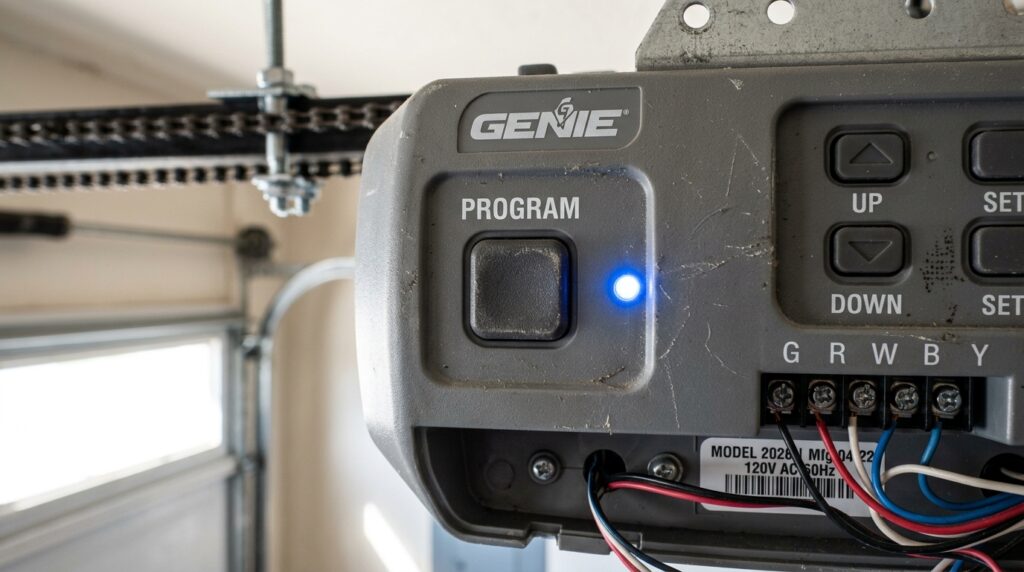
Garage door sensors are essential for safety and convenience, but wiring shorts can quickly bring your system to a halt. If your garage door won’t close, reverses unexpectedly, or the sensor lights are flickering or off, you may be dealing with a wiring short circuit. Learning how to fix garage door sensor wiring shorts can save you time, money, and frustration. This guide walks you through the process step by step, from identifying symptoms to making reliable repairs.
Before diving in, it’s important to understand that sensor wiring issues are common, especially in older systems or garages exposed to moisture, pests, or frequent movement. Addressing these problems quickly helps restore safe operation and prevents further damage. If you’re also facing issues like sensor mounting on metal studs, you might find this resource on how to fix garage door sensor mounting on metal studs helpful.
Common Signs of Sensor Wiring Short Circuits
Detecting a wiring short early can prevent bigger headaches. Here are typical symptoms that suggest your garage door sensor wiring may be compromised:
- The door reverses immediately after touching the floor.
- Sensor indicator lights are off, blinking, or inconsistent.
- The opener clicks but the door doesn’t move.
- Visible damage or fraying on the sensor wires.
- Intermittent operation, especially after rain or humidity spikes.
These issues can also be confused with other sensor problems, such as a missing indicator light. For more on that, see why is my garage door sensor indicator light missing.
What Causes Garage Door Sensor Wiring Shorts?
Understanding the root causes helps you prevent future issues. The most frequent culprits for wiring shorts in garage door sensors include:
- Physical damage: Wires pinched by the door, chewed by rodents, or cut during renovations.
- Moisture: Water intrusion from rain, snow, or high humidity can corrode connections and cause shorts.
- Poor connections: Loose wire nuts, corroded terminals, or poorly crimped connectors.
- Improper installation: Wires run too close to sharp edges or not properly secured.
Regular inspection and maintenance can help you catch these problems before they lead to a full short circuit.

Step-by-Step Guide: Repairing Sensor Wiring Shorts
Follow these steps to safely and efficiently resolve wiring short circuits in your garage door sensor system:
1. Disconnect Power for Safety
Always unplug the garage door opener or turn off the circuit breaker before working on electrical components. This prevents accidental shocks and protects your opener from further damage.
2. Inspect Sensor Wires and Connections
Check the entire length of the sensor wires from the opener to each sensor. Look for:
- Frayed, cut, or pinched wires
- Burn marks or melted insulation
- Loose or corroded terminals at the opener or sensor
If you notice any of these, you’ve likely found the source of the short.
3. Test the Sensors
With the power off, gently wiggle the wires at both the opener and sensor ends. If the insulation is brittle or the wire feels loose, it may need replacement. After restoring power, check if the sensor lights come on. If not, continue troubleshooting.
4. Replace or Repair Damaged Wiring
For minor nicks or exposed copper, use electrical tape to insulate the wire. For more severe damage, cut out the bad section and splice in new wire of the same gauge. Use waterproof wire nuts or crimp connectors for a secure, long-lasting repair.
Route wires away from moving parts and sharp edges. Secure them with insulated staples or cable clips to prevent future damage.
5. Check Sensor Alignment and Mounting
After fixing the wiring, make sure the sensors are properly aligned and mounted securely. Misalignment can mimic wiring issues. If your sensor brackets are bent or loose, see this guide on how to fix garage door sensor bracket bending.
6. Restore Power and Test Operation
Plug the opener back in or turn the breaker on. Test the door several times. The sensor lights should be steady, and the door should open and close smoothly. If problems persist, double-check your repairs or consider replacing the sensors.
Tips for Preventing Future Wiring Issues
- Use only high-quality, outdoor-rated wire for replacements.
- Seal all wire connections with waterproof connectors if exposed to the elements.
- Keep wires off the ground and away from areas where they could be pinched or chewed.
- Inspect your system annually for signs of wear or damage.
- Consider installing conduit for extra protection in high-traffic or pest-prone areas.
Staying proactive with maintenance can help you avoid repeat wiring shorts and keep your garage door system running smoothly.
When to Call a Professional
While many sensor wiring shorts can be fixed by homeowners with basic tools, there are times when it’s best to call a garage door technician:
- You’re uncomfortable working with electrical wiring.
- The short circuit keeps returning after repairs.
- There’s evidence of water damage inside the opener unit.
- The sensors or opener are very old and may need replacement.
Professional help ensures safety and can diagnose deeper issues that might not be obvious at first glance.
Additional Resources for Troubleshooting
If you’re still having trouble after following these steps, you might want to explore more specific sensor issues, such as why is my garage door sensor light turning off and on or how to fix garage door sensor from shifting due to temperature. For a detailed walkthrough on resetting sensors after a repair, see this step-by-step guide to resetting garage door sensors.
Frequently Asked Questions
What tools do I need to repair garage door sensor wiring shorts?
Basic tools include a screwdriver, wire stripper, electrical tape, replacement wire (usually 22-gauge), wire nuts or crimp connectors, and a voltage tester. For added safety, have insulated gloves and safety glasses on hand.
How do I know if my sensor problem is due to wiring or alignment?
Wiring shorts often cause the sensor lights to go out completely or behave erratically. Alignment issues typically result in blinking lights or the door refusing to close, but the lights will still be on. Always check both wiring and alignment for a thorough diagnosis.
Can I use any type of wire for garage door sensors?
No, it’s best to use the same gauge and type of wire as originally installed, typically 22-gauge low-voltage wire. Outdoor-rated or direct-burial wire is recommended for exposed areas to prevent future shorts.