Garage door safety sensors are essential for preventing accidents and ensuring your garage door operates smoothly. However, not all sensors are created equal. Two common types—infrared and laser sensors—use different technologies to detect obstacles and keep your garage safe. If you’re troubleshooting issues or considering an upgrade, understanding how to identify infrared vs laser garage door sensors is crucial for proper maintenance and repair.
This guide will walk you through the key differences between these sensor types, how to recognize them visually and functionally, and what to consider when choosing or replacing sensors. You’ll also find practical troubleshooting tips and resources for further reading, including solutions for how to fix garage door sensor mounting on metal studs if you encounter installation challenges.
Understanding the Basics of Garage Door Sensors
Garage door sensors are designed to detect objects or people in the path of a closing door, preventing accidents and property damage. The two most common types—infrared and laser—operate on similar principles but use different technologies.
- Infrared sensors emit an invisible beam of infrared light from one side of the door to the other. If the beam is interrupted, the door stops or reverses.
- Laser sensors use a focused laser beam, which can offer greater precision and range in some applications.
Both types are typically mounted near the floor on either side of the garage door opening. Recognizing which type you have is the first step in troubleshooting or upgrading your system.
Visual Clues: Spotting Infrared and Laser Sensors
When learning how to identify infrared vs laser garage door sensors, start by examining the physical characteristics of the devices:
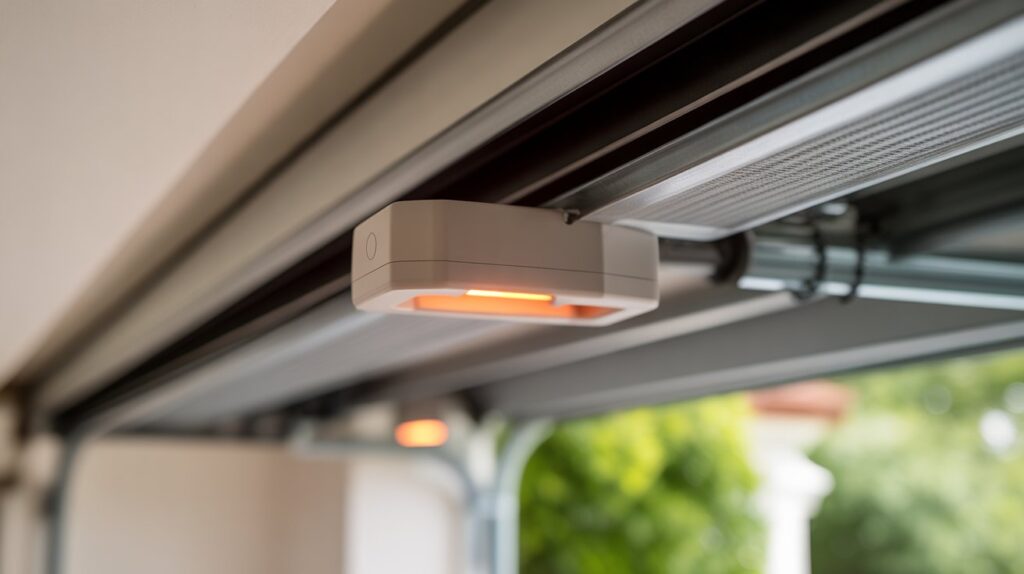
- Infrared models are the most common in residential garages. They usually have a small, dark lens or window, often with a green or amber indicator light. The housing is typically plastic and rectangular or oval-shaped.
- Laser sensors may have a smaller, more focused lens and sometimes a visible red dot when active. The casing can be more compact, and the beam may be visible in certain lighting conditions, especially if dust or fog is present.
Most standard garage door openers use infrared sensors, but higher-end or specialized systems may feature laser technology for enhanced accuracy.
Functional Differences Between Sensor Types
Beyond physical appearance, the way these sensors operate can help you distinguish them:
- Infrared sensors rely on a continuous, invisible light beam. When the beam is broken, the sensor triggers the door to stop or reverse. They are sensitive to alignment and can be affected by sunlight, dirt, or cobwebs.
- Laser sensors use a concentrated laser beam, which can be more resistant to interference and provide more precise detection. However, they are less common and may require more careful calibration.
If your sensor system is particularly sensitive to dust or sunlight, it is likely infrared. If it uses a visible red dot or claims higher precision in the manual, it could be laser-based.
Common Issues and Troubleshooting Tips
Regardless of the type, garage door sensors can experience issues such as misalignment, wiring problems, or obstructions. Here are some troubleshooting steps:
- Check for obstructions: Remove any debris, spider webs, or objects blocking the sensor path.
- Inspect alignment: Both sensor types require precise alignment. Adjust the sensors until the indicator lights are steady.
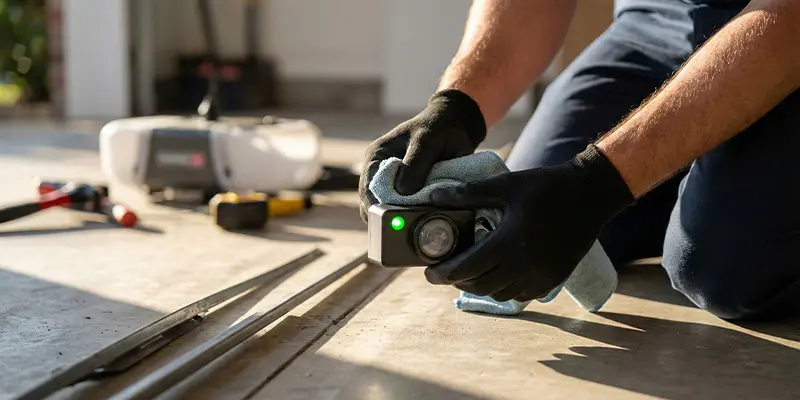
- Clean the lenses: Use a soft cloth to wipe away dust or dirt from the sensor windows.
- Examine wiring: Look for loose or damaged wires, especially if the sensors are unresponsive.
If you notice your indicator light is missing or not functioning, you may find helpful information in this article on why is my garage door sensor indicator light missing.
Choosing the Right Sensor for Your Garage Door
When deciding between infrared and laser sensors, consider the following:
- Compatibility: Most residential openers are designed for infrared sensors. Check your opener’s manual for supported types.
- Environment: If your garage is exposed to direct sunlight, dust, or frequent obstructions, a laser sensor may offer better reliability, though it may require professional installation.
- Budget: Infrared sensors are generally more affordable and widely available. Laser sensors, while more precise, can be costlier.
- Maintenance: Both types require occasional cleaning and alignment, but laser sensors may be less prone to false triggers from sunlight or dirt.
For more on troubleshooting and sensor maintenance, see this comprehensive guide to garage door sensor troubleshooting.
Installation and Alignment Tips
Proper installation is key to reliable sensor performance. Here are some best practices:
- Mount sensors 4–6 inches above the ground, facing each other directly.
- Use a level to ensure sensors are aligned horizontally.
- Secure wiring to prevent accidental disconnection.
- Test the system after installation by closing the door and interrupting the beam with an object.
If you’re dealing with metal framing, refer to this resource on how to fix garage door sensor mounting on metal studs for practical solutions.
When to Upgrade or Replace Your Sensors
If your garage door frequently fails to close, reverses unexpectedly, or the indicator lights do not function, it may be time to replace your sensors. Upgrading to a newer infrared or laser model can improve safety and reliability. Always ensure the replacement is compatible with your opener and meets current safety standards.
For issues related to sensor shifting or bracket damage, you can consult articles on how to fix garage door sensor from shifting due to temperature and how to fix garage door sensor bracket bending for targeted advice.
FAQ
How can I tell if my garage door sensor is infrared or laser?
Look for a small, dark lens and a colored indicator light—these are typical of infrared sensors. Laser sensors may have a visible red dot and a more focused, compact lens. Checking your opener’s manual can also clarify the sensor type.
Are laser garage door sensors better than infrared?
Laser sensors can offer greater precision and are less prone to interference from sunlight or debris. However, they are less common and may require professional installation. For most residential garages, infrared sensors are sufficient and more cost-effective.
What should I do if my garage door sensor isn’t working?
Start by cleaning the sensor lenses, checking for obstructions, and ensuring proper alignment. If problems persist, inspect the wiring and consider replacing the sensors. For more troubleshooting tips, see resources on why is my garage door sensor light turning off and on.
Understanding how to identify infrared vs laser garage door sensors helps you maintain a safe, reliable garage door system. By recognizing the differences and following proper maintenance steps, you can ensure your garage remains secure and functional for years to come.