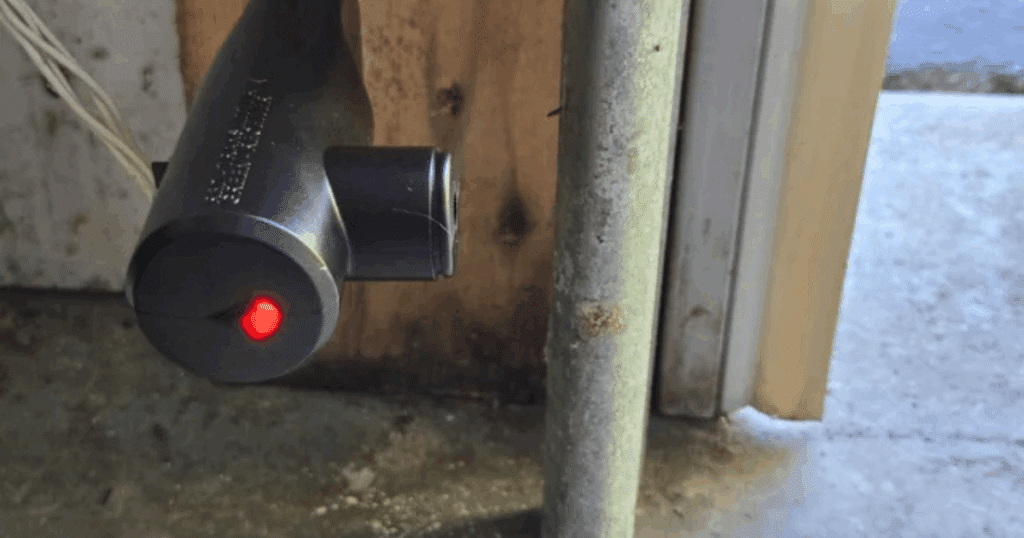
Garage door safety sensors are essential for preventing accidents and ensuring your door operates smoothly. If you’re troubleshooting sensor issues or installing new ones, knowing the difference between the sender and receiver units is crucial. Many homeowners find it confusing to distinguish between these two components, especially since they look almost identical. This guide will walk you through how to identify the sender vs receiver garage door sensor, explain why it matters, and provide practical tips for accurate identification and troubleshooting.
Understanding the roles of each sensor can help you resolve common problems, such as misalignment, blinking lights, or a door that refuses to close. If you’re dealing with mounting challenges, you might also find solutions in our resource on how to fix garage door sensor mounting on metal studs.
Understanding Garage Door Safety Sensors
Garage door sensors are a safety feature required by law on all automatic garage doors in the United States. They work in pairs, mounted on either side of the door, a few inches above the ground. Their primary function is to detect obstacles in the path of the closing door and prevent accidents or damage.
Each pair consists of a transmitter (sender) and a receiver. The sender emits an invisible infrared beam across the door opening, and the receiver detects this beam. If the beam is interrupted—by a person, pet, or object—the door will stop closing and reverse direction.
Key Differences Between Sender and Receiver Sensors
While both sensors look similar, their functions are distinct. Here’s how to tell them apart:
- Sender (Transmitter): Emits the infrared beam. Usually has a solid or blinking indicator light when powered.
- Receiver: Detects the beam from the sender. Its indicator light typically only turns on when it is receiving the beam without interruption.
Identifying which sensor is which is important for troubleshooting, as issues like a misaligned receiver or a faulty sender can cause the door to malfunction.
Visual Clues to Distinguish Sender and Receiver
Most manufacturers use subtle differences in the sensors to help you identify them. Here are some common ways to spot the sender and receiver:
- Indicator Light Behavior: The sender’s light is typically always on (solid or blinking), while the receiver’s light only turns on when it detects the beam.
- Labeling: Some sensors are labeled “Sender,” “Transmitter,” “TX,” or “T” for the sender, and “Receiver,” “RX,” or “R” for the receiver. Check the back or bottom of the sensors for these markings.
- Wire Color: Occasionally, manufacturers use different colored wires for each sensor. Refer to your garage door opener’s manual for specifics.
If you’re experiencing issues such as a missing indicator light, you may want to consult our article on why is my garage door sensor indicator light missing for additional troubleshooting steps.
Testing and Troubleshooting Sensor Functionality
Once you’ve identified which sensor is the sender and which is the receiver, you can perform basic tests:
- Check Power: Both sensors should have power. If neither light is on, check the wiring and power supply.
- Align Sensors: The sensors must face each other directly. Misalignment is a common cause of malfunction. The receiver’s light should turn on when alignment is correct.
- Block the Beam: Place an object between the sensors. The receiver’s light should turn off, and the door should not close.
- Clean Lenses: Dust or spider webs can block the beam. Gently clean both sensors with a soft cloth.
If your garage door sensor light keeps turning off and on, further guidance is available in our resource on why is my garage door sensor light turning off and on.

Common Issues When Identifying Garage Door Sensors
Several problems can arise if you mix up the sender and receiver or if one of them malfunctions. Here are some typical issues:
- Door Won’t Close: If the receiver isn’t detecting the beam, the door will not close for safety reasons.
- Blinking or Off Indicator Lights: This can signal misalignment, wiring problems, or a faulty sensor.
- Physical Damage: Bent brackets or sensor housings can misalign the sensors. For help with this, see our guide on how to fix garage door sensor bracket bending.
Understanding which sensor is which will help you diagnose these problems more efficiently and avoid unnecessary replacements.
Why Proper Identification Matters for Safety and Repairs
Correctly distinguishing the sender from the receiver is important for several reasons:
- Effective Troubleshooting: Knowing which sensor is malfunctioning helps you target repairs and replacements accurately.
- Safe Operation: Properly functioning sensors prevent accidents and protect people, pets, and vehicles.
- Compliance: Garage door openers must meet safety standards, and tampering with sensors can void warranties or violate regulations.
For more information on sensor colors and what they mean, check out this detailed guide on garage door sensor light meanings and fixes.
Tips for Maintaining Garage Door Sensors
Regular maintenance can extend the life of your sensors and keep your garage door system running smoothly. Here are some tips:
- Periodically clean the sensor lenses to prevent dust buildup.
- Check alignment after any accidental bumps or impacts.
- Inspect wiring for signs of wear or damage.
- Test the sensors monthly to ensure the safety system is working.
Extreme temperatures can also affect sensor performance. If you notice issues during hot weather, our article on how to troubleshoot garage door sensor issues in summer may help.
Frequently Asked Questions
How can I quickly tell which garage door sensor is the sender?
The sender typically has a solid or blinking indicator light that stays on whenever the unit is powered. It may also be labeled as “Sender,” “Transmitter,” “TX,” or “T.” Check the sensor housing or consult your opener’s manual for specific markings.
What happens if I install the sender and receiver on the wrong sides?
If the sensors are swapped, the system may not function correctly. The receiver must face the sender to detect the infrared beam. Incorrect installation can cause the door to remain open or refuse to close for safety reasons.
Why is my garage door sensor light blinking or off?
A blinking or off light can indicate misalignment, dirty lenses, wiring problems, or a faulty sensor. Start by cleaning the lenses and realigning the sensors. If the issue persists, check the wiring and consult your opener’s manual for further troubleshooting.