Garage door sensors are vital for ensuring the safety and smooth operation of automatic garage doors. These small devices, usually mounted near the bottom of the door tracks, detect obstacles in the path of the closing door and prevent accidents or damage. However, their performance can be compromised by seemingly minor issues like dirt accumulation and spider webs. Understanding the impact of dirt and spider webs on garage door sensors helps homeowners maintain reliable functionality and avoid frustrating malfunctions.
Many people overlook the importance of keeping these sensors clean and unobstructed. Over time, dust, debris, and cobwebs can interfere with the sensor’s ability to transmit and receive the infrared beam that signals whether the path is clear. If you’ve ever wondered why your garage door suddenly refuses to close or reverses unexpectedly, sensor contamination is a likely culprit. Addressing these issues early can prevent bigger problems and extend the lifespan of your garage door system.
For those experiencing persistent sensor issues, it’s also helpful to explore related topics such as why is my garage door sensor indicator light missing, which can provide further troubleshooting insights.
How Dirt and Debris Affect Garage Door Sensors
Garage door sensors operate using an invisible infrared beam that travels between two units positioned on either side of the door. When this beam is interrupted, the door will not close, ensuring safety for people, pets, and property. However, even a thin layer of dust or a buildup of grime on the sensor lenses can disrupt this beam, causing the system to interpret the obstruction as a safety hazard.
Common sources of contamination include:
- Dust and pollen settling on the sensor lens
- Road salt and mud splashed up from vehicles
- Leaves and organic debris blown in by wind
When these materials accumulate, the sensor’s ability to detect the beam is reduced. This can result in the door refusing to close, reversing mid-operation, or showing error lights on the opener panel. In some cases, the problem may be intermittent, making it harder to diagnose without a close inspection.
Spider Webs: A Hidden Threat to Sensor Functionality
While dirt is a common problem, spider webs present a unique challenge. Spiders are attracted to the sheltered, undisturbed corners near garage door sensors. Their webs, though delicate, can be surprisingly effective at blocking or diffusing the infrared beam. Even a single strand stretched across the sensor’s path can cause the system to malfunction.
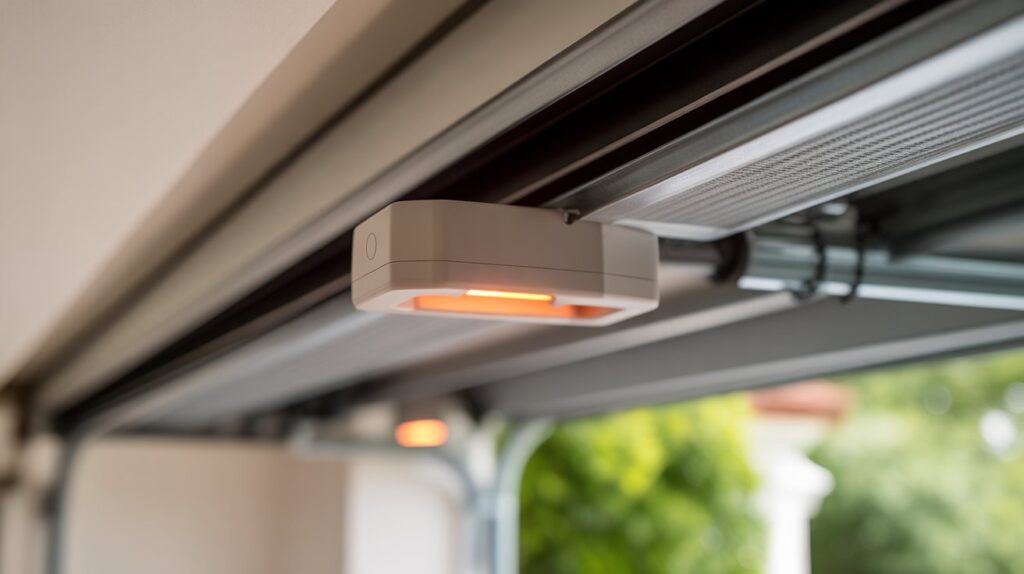
Unlike dust, webs can be difficult to spot unless you inspect the sensors closely. They may also trap additional debris, compounding the problem. Regularly checking for and removing webs is essential for maintaining reliable sensor operation.
Signs Your Garage Door Sensors Are Affected
Recognizing when your sensors are compromised by dirt or spider webs can save time and prevent unnecessary repairs. Look for these warning signs:
- The garage door refuses to close or reverses immediately after starting to close
- Indicator lights on the sensors are blinking or off
- The door operates normally when sensors are cleaned or realigned
- Visible dirt, dust, or cobwebs on or near the sensor lenses
Sometimes, sensor issues can also be caused by misalignment or mounting problems. If cleaning doesn’t resolve the issue, you might want to review advice on how to fix garage door sensor mounting on metal studs or similar topics.
Preventing Sensor Issues Caused by Dirt and Webs
Proactive maintenance is the best way to avoid problems with your garage door sensors. Here are some practical steps to keep them in top condition:
- Inspect sensors regularly: Make it a habit to check the sensors every month for visible dirt or spider webs.
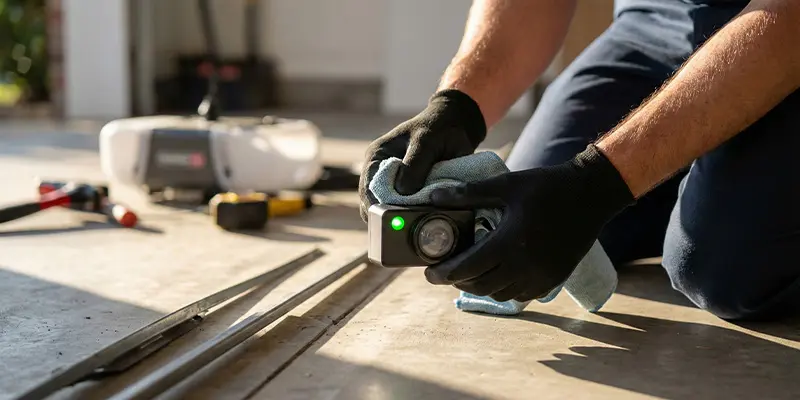
- Clean lenses gently: Use a soft, dry cloth or a cotton swab to wipe away dust and debris. Avoid using harsh chemicals that could damage the lens.
- Remove cobwebs: Carefully clear away any spider webs using a small brush or compressed air.
- Check alignment: Ensure the sensors are facing each other directly and are not knocked out of position.
- Monitor indicator lights: Most sensors have LED lights that signal proper operation. Refer to your opener’s manual for troubleshooting if the lights are off or blinking.
Consistent care not only prevents malfunctions but also extends the life of your garage door system. If you notice recurring issues, it may be worth investigating whether why is my garage door sensor light turning off and on applies to your situation.
Troubleshooting Persistent Sensor Problems
If cleaning and realigning the sensors doesn’t solve the problem, further troubleshooting may be necessary. Consider these additional steps:
- Check wiring connections for corrosion or loose wires
- Inspect sensor brackets for bending or damage that could affect alignment
- Test the sensors by temporarily swapping them to see if the issue follows the sensor or stays with the wiring
For more detailed troubleshooting, you can consult resources like this comprehensive guide to garage door sensor troubleshooting, which covers a range of common issues and solutions.
When to Replace or Upgrade Garage Door Sensors
Sometimes, sensors may be too damaged or outdated to function reliably, even after cleaning and realignment. Signs that replacement may be necessary include:
- Physical cracks or fogging on the sensor lens
- Persistent malfunction despite cleaning and troubleshooting
- Obsolete models incompatible with newer garage door openers
Upgrading to modern, more robust sensors can improve reliability and safety. If you notice consistent bracket issues, advice on how to fix garage door sensor bracket bending may help prolong the life of your new equipment.
Frequently Asked Questions
How often should I clean my garage door sensors?
It’s best to inspect and clean your sensors at least once a month, especially if your garage is exposed to dust, pollen, or insects. Regular cleaning prevents buildup that can interfere with sensor operation.
Can spider webs really stop my garage door from closing?
Yes, even a thin spider web can block or scatter the infrared beam between sensors, causing the door to stop or reverse. Always check for webs if your door behaves unpredictably.
What should I do if cleaning doesn’t fix my sensor problem?
If cleaning and realignment don’t resolve the issue, check for wiring problems, damaged brackets, or faulty sensors. You can find more troubleshooting tips in guides about how to fix garage door sensor from shifting due to temperature and related topics.
Are there any tools I need for cleaning sensors?
Usually, a soft cloth, cotton swab, or a small brush is sufficient. Avoid abrasive materials or harsh chemicals that could scratch or cloud the sensor lens.
Conclusion
Maintaining clean and unobstructed garage door sensors is essential for the safety and reliability of your automatic door system. Dirt and spider webs may seem minor, but their effect on sensor performance can be significant. By regularly inspecting, cleaning, and troubleshooting your sensors, you can prevent unnecessary malfunctions and ensure your garage door operates smoothly year-round.