Garage door sensors are essential for safety and smooth operation, but they can sometimes become misaligned, leading to frustrating malfunctions. Understanding what causes garage door sensors to go out of alignment helps homeowners quickly identify issues and restore reliable function. This article explores the most common reasons for sensor misalignment, how to spot the signs, and practical solutions to keep your garage door system working safely.
Misaligned sensors can prevent your garage door from closing properly or cause it to reverse unexpectedly. Addressing these problems early not only ensures safety but also extends the life of your door system. If you’re dealing with persistent sensor issues, you might also find it useful to read about how to fix garage door sensor mounting on metal studs for additional troubleshooting tips.
Understanding Garage Door Sensor Alignment
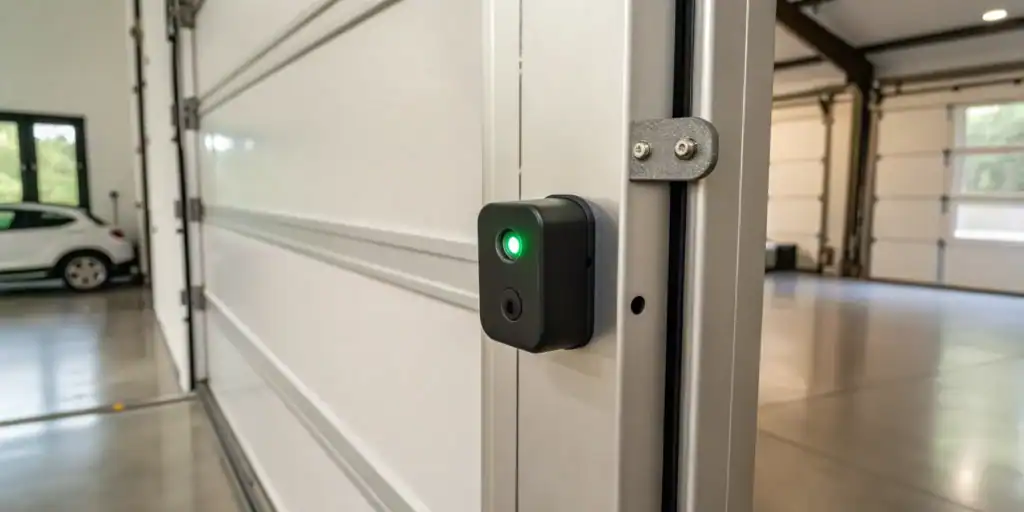
Garage door sensors, also known as photo-eye sensors, are installed near the base of the door tracks on both sides. They work by transmitting an invisible beam between them. If this beam is interrupted or the sensors are not properly aligned, the door will not close as a safety precaution.
Proper alignment is crucial for the sensors to communicate effectively. Even a slight bump or shift can throw them off, resulting in operational issues. Recognizing the causes of misalignment can help prevent unnecessary repairs and keep your garage secure.
Main Reasons Sensors Lose Alignment
Several factors contribute to sensors falling out of alignment. Below are the most common culprits:
Physical Impact or Accidental Bumping
One of the leading causes of sensor misalignment is accidental contact. Since sensors are installed close to the ground, they are vulnerable to being kicked, bumped by bikes, tools, or even cars. Children playing in the garage or pets running by can also nudge the sensors out of place.
Vibration from Garage Door Operation
Repeated opening and closing of the garage door creates vibrations that can gradually loosen the sensor brackets. Over time, these vibrations may cause the sensors to shift, especially if the mounting hardware is not tightly secured. If you notice your sensors frequently need realignment, checking the tightness of the brackets is a good first step.
Temperature Fluctuations and Humidity
Extreme temperature changes can cause metal brackets and plastic sensor housings to expand and contract. This movement can slowly alter the position of the sensors, leading to misalignment. High humidity may also affect the integrity of mounting materials, causing them to warp or degrade. For more information on this topic, see how to fix garage door sensor from shifting due to temperature.
Improper Installation or Weak Mounting
If the sensors were not installed correctly or the brackets are weak, they are more likely to move out of position. Using the wrong type of screws or mounting on unstable surfaces can make the sensors susceptible to even minor disturbances. For guidance on addressing bracket issues, refer to how to fix garage door sensor bracket bending.
Obstructions and Debris
Dirt, spider webs, or other debris can accumulate around the sensors, blocking the beam or causing the sensors to appear misaligned. Regular cleaning is important to maintain optimal performance. Even a small obstruction can mimic the symptoms of misalignment, so always check for cleanliness first.
Wear and Tear Over Time
Like any component, garage door sensors experience wear and tear. The plastic housings can become brittle, and the internal electronics may degrade, making the sensors more prone to shifting or malfunctioning. If your sensors are several years old and frequently lose alignment, replacement might be necessary.
How to Identify Misaligned Garage Door Sensors
Spotting misalignment early can save you from bigger headaches. Here are some typical signs:
- The garage door won’t close, or reverses immediately after starting to close.
- Indicator lights on the sensors are blinking or not illuminated.
- The door only closes when you hold down the wall button continuously.
- Visible misalignment between the two sensor lenses.
For more details on sensor indicator lights and what different colors mean, check out this comprehensive guide to garage door sensor lights.
Steps to Realign Garage Door Sensors
Realigning your sensors is usually a straightforward process. Here’s how to do it:
- Disconnect the power to your garage door opener for safety.
- Loosen the mounting brackets holding the sensors.
- Gently adjust the sensors so they are facing each other directly, ensuring both lenses are at the same height.
- Tighten the brackets securely to prevent future movement.
- Restore power and test the door operation.
- Check the sensor indicator lights to confirm alignment.
If you continue to experience problems, it may be worth investigating why your garage door sensor indicator light is missing or flickering, as this can indicate electrical or wiring issues.

Preventing Future Sensor Misalignment
Taking a few proactive steps can help keep your sensors properly aligned and your garage door functioning smoothly:
- Regularly inspect and clean the sensor lenses and surrounding area.
- Ensure brackets and mounting hardware are tight and secure.
- Avoid storing items near the sensors to prevent accidental bumps.
- Check for signs of bracket bending or damage, and address issues promptly. For more on this, see how to fix garage door sensor bracket bending.
- Monitor the sensors after extreme weather or temperature swings.
Consistent maintenance can reduce the likelihood of misalignment and extend the lifespan of your garage door system. If you notice your sensor lights turning off and on intermittently, you might want to read about why your garage door sensor light is turning off and on for further troubleshooting.
Frequently Asked Questions
How do I know if my garage door sensors are misaligned?
Common signs include the door refusing to close, blinking or unlit sensor indicator lights, or the need to hold down the wall button for the door to close. Visually inspect the sensors to ensure they are facing each other and mounted at the same height.
Can I realign garage door sensors myself?
Yes, most homeowners can realign sensors with basic tools. Loosen the brackets, adjust the sensors so they are directly facing each other, and retighten the hardware. Always disconnect power before making adjustments for safety.
What should I do if my sensors keep going out of alignment?
If you find yourself frequently realigning your sensors, check for loose or damaged brackets, excessive vibration, or environmental factors like temperature changes. Upgrading to sturdier mounting hardware or replacing old sensors may help resolve persistent issues.