Garage door sensors are essential safety features that prevent accidents and property damage by detecting obstacles in the path of a closing door. However, many homeowners experience frustrating issues when bright sunlight shines directly onto these sensors, causing the door to malfunction or refuse to close. Understanding why sunlight interferes with garage door sensors can help you troubleshoot and resolve these problems, ensuring your garage door operates reliably in all lighting conditions.
In this article, we’ll explore the science behind sensor interference, the specific ways sunlight affects sensor performance, and practical solutions to minimize disruptions. If you’re dealing with related issues like sensor light problems or mounting challenges, you may also find value in resources such as why is my garage door sensor indicator light missing and how to fix garage door sensor mounting on metal studs.
How Garage Door Sensors Work
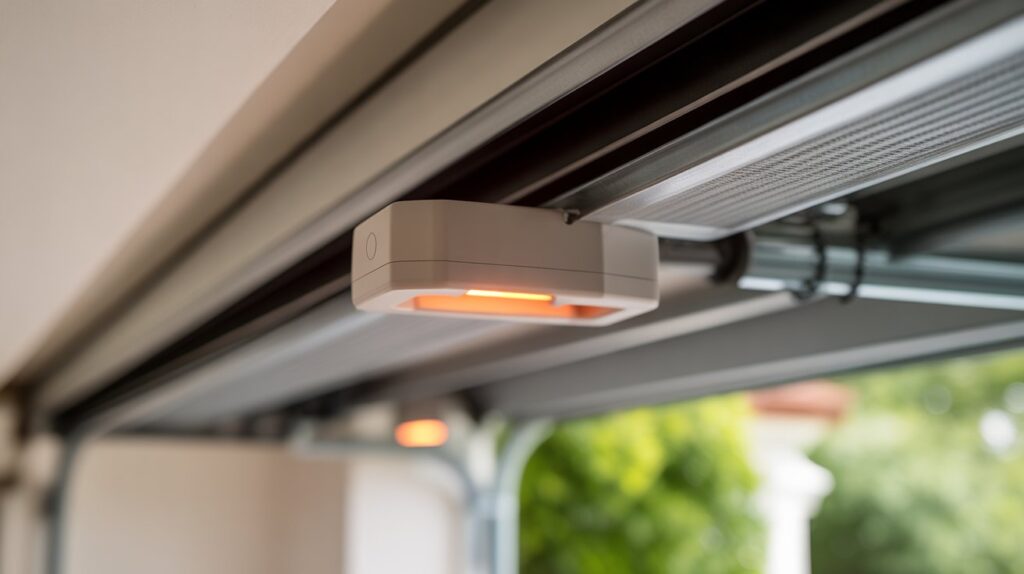
To understand why sunlight can cause problems, it’s important to know how these safety devices function. Most modern garage door systems use a pair of photoelectric sensors, often referred to as “photo eyes.” These are mounted on either side of the door, a few inches above the ground. One sensor emits an invisible infrared beam, while the other receives it. If anything breaks the beam—such as a person, pet, or object—the door will stop closing or reverse direction.
The sensors are designed to detect only the specific wavelength of infrared light produced by the emitter. However, strong external light sources, especially direct sunlight, can sometimes overwhelm or confuse the receiver, leading to false readings or sensor failure.
Why Sunlight Causes Interference
Direct sunlight contains a broad spectrum of electromagnetic radiation, including visible and infrared light. When sunlight hits the receiving sensor at a certain angle, the intense infrared component can mimic or overpower the signal from the emitter. This can cause the sensor to “think” the beam is blocked, even when the path is clear. As a result, the garage door may refuse to close or may reverse unexpectedly.
Other factors that contribute to this issue include:
- Sensor alignment: If the sensors are not perfectly aligned, they become more susceptible to external light sources.
- Sensor age and quality: Older or lower-quality sensors may lack adequate filtering or shielding against ambient light.
- Time of day and season: The sun’s position changes throughout the day and year, so interference may be worse at certain times.
Common Symptoms of Sunlight Interference
Homeowners often notice specific behaviors when sunlight disrupts sensor function. These include:
- The garage door won’t close during certain times of day, especially when the sun is low and shining directly at the sensors.
- The indicator light on the receiving sensor blinks or turns off when exposed to sunlight.
- The door reverses immediately after starting to close, even though the path is clear.
- Manual operation works fine, but the automatic opener fails or acts erratically.
If you observe these issues, sunlight is a likely culprit—especially if the problem is intermittent and correlates with sunny weather or specific sun angles.
Preventing and Fixing Sunlight-Related Sensor Problems
There are several practical steps you can take to reduce or eliminate sunlight interference with your garage door sensors:
- Check and adjust sensor alignment. Misaligned sensors are more vulnerable to false signals. Ensure both sensors are facing each other directly and are securely mounted. For tips on dealing with mounting challenges, see how to fix garage door sensor mounting on metal studs.
- Install sun shields or hoods. Many manufacturers offer snap-on shields or covers that block sunlight from hitting the sensor lens directly. You can also create a simple shield using opaque materials, as long as you don’t obstruct the sensor’s line of sight.
- Relocate or angle the sensors. Slightly adjusting the angle of the sensors can sometimes prevent direct sunlight from striking the receiver. However, always ensure the sensors remain aligned with each other.
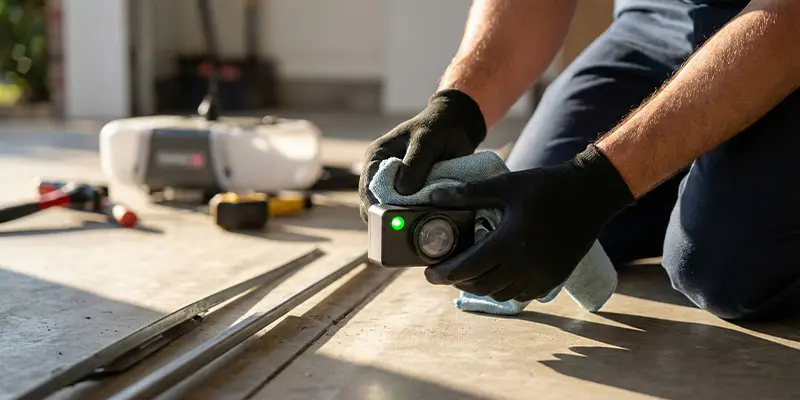
- Clean the sensor lenses. Dirt, dust, or spider webs can scatter sunlight and make interference worse. Gently wipe the lenses with a soft, dry cloth.
- Upgrade to newer sensors. Modern sensors often include better filtering and sun-resistant technology. If your sensors are old or unreliable, consider replacing them with updated models.
For more detailed troubleshooting steps, you may find this comprehensive guide to troubleshooting garage door sensors helpful.
Additional Troubleshooting Tips
If you’ve tried the above solutions and still experience problems, consider these additional steps:
- Test the sensors at different times of day to pinpoint when sunlight is causing the issue.
- Observe the sensor indicator lights. A solid light usually means the beam is uninterrupted, while a blinking or off light signals a problem.
- Check for other sources of infrared interference, such as security cameras, remote controls, or nearby electronics.
- Consult your garage door opener’s manual for manufacturer-specific advice on sensor adjustment and troubleshooting.
Sometimes, temperature fluctuations can also affect sensor performance. If you suspect this is contributing to your issue, you might want to read about how to fix garage door sensor from shifting due to temperature.
When to Call a Professional
While many sunlight-related sensor issues can be resolved with simple adjustments or minor upgrades, there are times when professional help is needed. If your garage door continues to malfunction despite your efforts, or if you’re unsure about making electrical or mechanical adjustments, contact a qualified garage door technician. They can diagnose the problem, recommend appropriate solutions, and ensure your system is safe and compliant with local regulations.
Persistent sensor issues can also be a sign of deeper electrical or wiring problems, which should be addressed by an expert to avoid safety risks.
FAQ
Can I block sunlight from my garage door sensors with tape or cardboard?
It’s possible to use opaque materials like cardboard or tape to create a temporary sun shield. However, be careful not to block the sensor’s lens or the path of the infrared beam. Commercial sun shields are designed specifically for this purpose and are a safer, more reliable option.
Will replacing my sensors solve sunlight interference permanently?
Upgrading to newer, higher-quality sensors can significantly reduce problems caused by sunlight, as modern models often include better filters and sun-resistant features. However, no sensor is completely immune to strong direct sunlight, so proper installation and shielding are still important.
Why does my garage door only have problems closing during certain times of day?
This usually happens because the sun’s position changes throughout the day. When sunlight strikes the receiving sensor directly, interference is most likely. The problem may disappear when the sun moves or is blocked by clouds or nearby structures.
Conclusion
Sunlight interference with garage door sensors is a common issue, but understanding the underlying causes makes it easier to address. By ensuring proper alignment, using sun shields, keeping sensors clean, and considering upgrades when necessary, you can maintain safe and reliable garage door operation. For more information on related sensor issues, check out why is my garage door sensor light turning off and on and how to fix garage door sensor bracket bending. Taking these steps will help ensure your garage door system functions smoothly, no matter the weather or time of day.