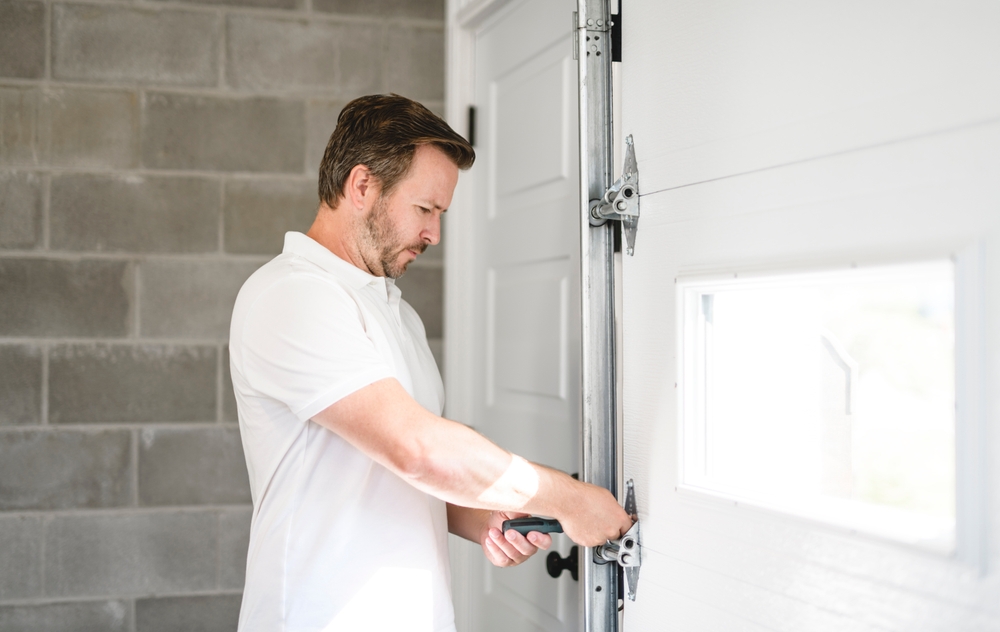
If your garage door refuses to close or the safety system keeps blinking, the issue often traces back to the sensor receiver. Many homeowners encounter this frustrating problem, but understanding the possible causes and solutions can help you restore smooth operation quickly. This guide explains the most common reasons for a malfunctioning garage door sensor receiver, practical troubleshooting steps, and when to consider professional help.
Whether you’re dealing with a blinking indicator, an unresponsive door, or inconsistent sensor behavior, it’s important to address the root cause. Ignoring sensor issues can compromise safety and leave your garage vulnerable. For those dealing with related problems, such as why is my garage door sensor indicator light missing, you’ll find additional resources on our site.
Common Reasons for Garage Door Sensor Receiver Failure
The sensor receiver is a critical part of your garage door’s safety system. When it stops working, the door may refuse to close or reverse unexpectedly. Here are the most frequent causes:
- Power supply issues: If the receiver isn’t getting power, it can’t function. Check for loose wires, tripped breakers, or faulty outlets.
- Dirty or misaligned sensors: Dust, cobwebs, or a bump can knock sensors out of alignment or block the beam, causing a failure.
- Damaged wiring: Worn or frayed wires can interrupt the signal between the sensors and the opener.
- Obstructions in the sensor path: Even small objects or debris can block the infrared beam, preventing the receiver from working.
- Faulty sensor components: Over time, sensors or the receiver unit itself can fail due to age or exposure to moisture.
Understanding these causes helps you target your troubleshooting and avoid unnecessary repairs.
How to Troubleshoot a Non-Responsive Garage Door Sensor Receiver
Before replacing parts, follow these steps to diagnose and fix the issue:
- Check for power: Ensure the opener is plugged in and the outlet is working. Test with another device if needed.
- Inspect the sensor lights: Most systems have indicator lights. If one or both are off or blinking, this signals a problem.
- Clean the sensors: Gently wipe both the sending and receiving units with a soft cloth. Remove any dirt, spider webs, or debris.
- Realign the sensors: Both sensors should face each other directly. Adjust them until the indicator lights are steady, not blinking.
- Look for obstructions: Remove anything in the path of the sensors, including tools, toys, or leaves.
- Examine the wiring: Check for loose, disconnected, or damaged wires at the sensors and the opener.
- Test the door: Try closing the door. If it works, you’ve found the issue. If not, further investigation is needed.
For more detailed sensor repair techniques, see this guide on how to fix garage door sensors.
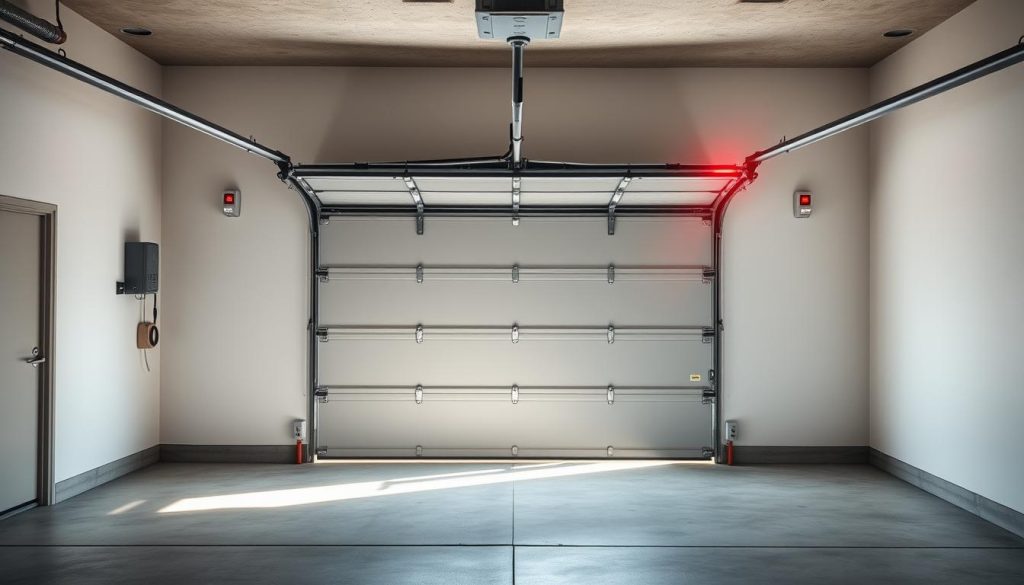
Understanding Sensor Receiver Blinking and Light Patterns
Many garage door openers use light indicators to communicate sensor status. If the receiver’s light is blinking, it usually means:
- Misalignment: The sensors are not facing each other properly.
- Obstruction: Something is blocking the infrared beam.
- Wiring problem: There may be a loose or broken connection.
Refer to your opener’s manual for specific light codes, as patterns can vary by brand. If the indicator light is missing, see our article on why is my garage door sensor indicator light missing for more details.
Advanced Fixes for Persistent Sensor Receiver Problems
If basic troubleshooting doesn’t resolve the issue, try these advanced steps:
- Replace the sensor wiring: Old or damaged wires can cause intermittent failures. Use new, compatible wiring for best results.
- Test the sensors individually: Swap the sending and receiving units to see if one is faulty.
- Check for interference: Fluorescent lights and other electronics can sometimes disrupt the sensor signal. Try turning off nearby devices.
- Inspect the opener’s logic board: Rarely, the opener’s internal electronics may fail and require professional service.
If you notice your sensors shifting due to temperature changes, our guide on how to fix garage door sensor from shifting due to temperature offers practical solutions.

When to Replace or Upgrade Your Garage Door Sensor System
Sometimes, the best solution is to replace old or malfunctioning sensors. Here’s when you should consider an upgrade:
- Repeated failures: If you’ve fixed the issue multiple times and it keeps returning, replacement is often more reliable.
- Physical damage: Cracked, water-damaged, or corroded sensors should be replaced immediately.
- Obsolete technology: Older sensors may not be compatible with modern safety standards or openers.
- Persistent alignment issues: If your brackets are bent or unstable, see our advice on how to fix garage door sensor bracket bending.
Upgrading to new sensors can improve reliability, safety, and ease of use.
Preventing Future Sensor Receiver Issues
Regular maintenance can help prevent most sensor receiver problems:
- Clean sensors monthly to remove dust and debris.
- Check alignment after storms, accidental bumps, or temperature swings.
- Inspect wiring annually for signs of wear or damage.
- Test your garage door safety system regularly to ensure proper function.
For doors installed on metal framing, see our guide on how to fix garage door sensor mounting on metal studs for specialized tips.
FAQ
What does it mean if my garage door sensor receiver light is blinking?
A blinking receiver light usually indicates a misalignment or obstruction in the sensor path. Check that both sensors are facing each other and that nothing is blocking the beam. Cleaning the lenses and realigning the sensors often resolves this issue.
Can I bypass a faulty garage door sensor receiver?
While some openers allow temporary bypassing by holding the wall button, this is not recommended for regular use. Bypassing the safety sensors can create hazards, especially for children and pets. It’s best to repair or replace faulty components promptly.
How do I know if my garage door sensor receiver needs replacement?
If you’ve tried cleaning, realigning, and checking the wiring but the problem persists, the receiver or sensors may be defective. Physical damage, water intrusion, or repeated failures are strong indicators that replacement is necessary for safe operation.
Why does my garage door only close when I hold the wall button?
This behavior suggests the safety sensors are not detecting each other properly. Check for alignment, obstructions, or wiring issues. The system requires a clear signal from the sensors to close automatically.
Are there any maintenance tips to keep my sensor receiver working?
Yes. Keep sensors clean, check alignment regularly, inspect wiring for damage, and test the safety system monthly. Promptly address any blinking lights or operational issues to maintain safe and reliable garage door function.