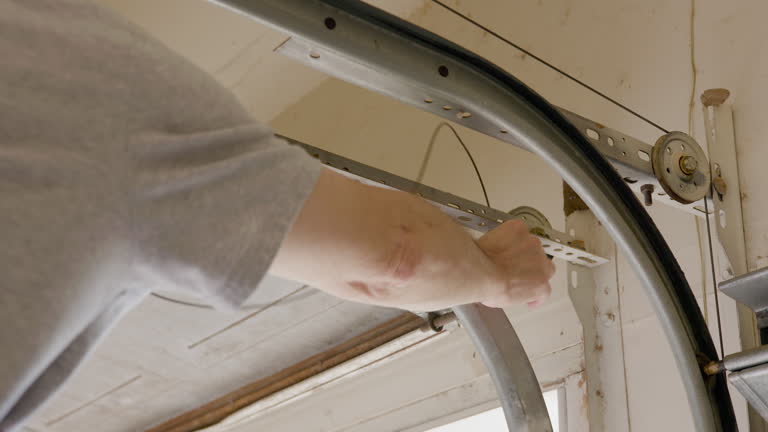
Keeping your garage door in top shape requires more than just occasional lubrication or checking the opener. One often overlooked but essential task is garage door cable cleaning. Cables play a crucial role in the safe and smooth operation of your door, bearing heavy loads and withstanding daily wear. Neglecting their maintenance can lead to fraying, rust, or even sudden failure, which can be both inconvenient and dangerous.
This article provides a practical overview of how to clean garage door cables, what tools you’ll need, and how regular care can extend the life of your hardware. Whether you’re a homeowner looking to perform basic upkeep or want to understand when to call a professional, you’ll find actionable advice here. For a deeper dive into technical tips and specifications, the garage door cable professional guide offers further insights.
Why Cleaning Garage Door Cables Matters
Garage door cables are responsible for lifting and lowering the door safely. Over time, dust, dirt, and moisture can accumulate on these cables, leading to corrosion and weakening of the metal strands. Regular garage door cable cleaning helps prevent rust and ensures the cables remain strong and flexible. According to the function of garage door cables, any compromise in their integrity can result in uneven operation or even a snapped cable, posing a safety risk.
Routine cleaning not only extends the lifespan of the cables but also allows you to spot early signs of wear, such as fraying or kinks. This proactive approach can save you from costly repairs or emergency replacements down the line.
Essential Tools and Supplies for Cable Maintenance
Before starting the cleaning process, gather the following items to ensure a thorough and safe job:
- Protective gloves (to avoid injury from sharp cable strands)
- Safety glasses
- Soft-bristled brush or old toothbrush
- Clean, lint-free cloths
- Mild degreaser or garage door cleaner
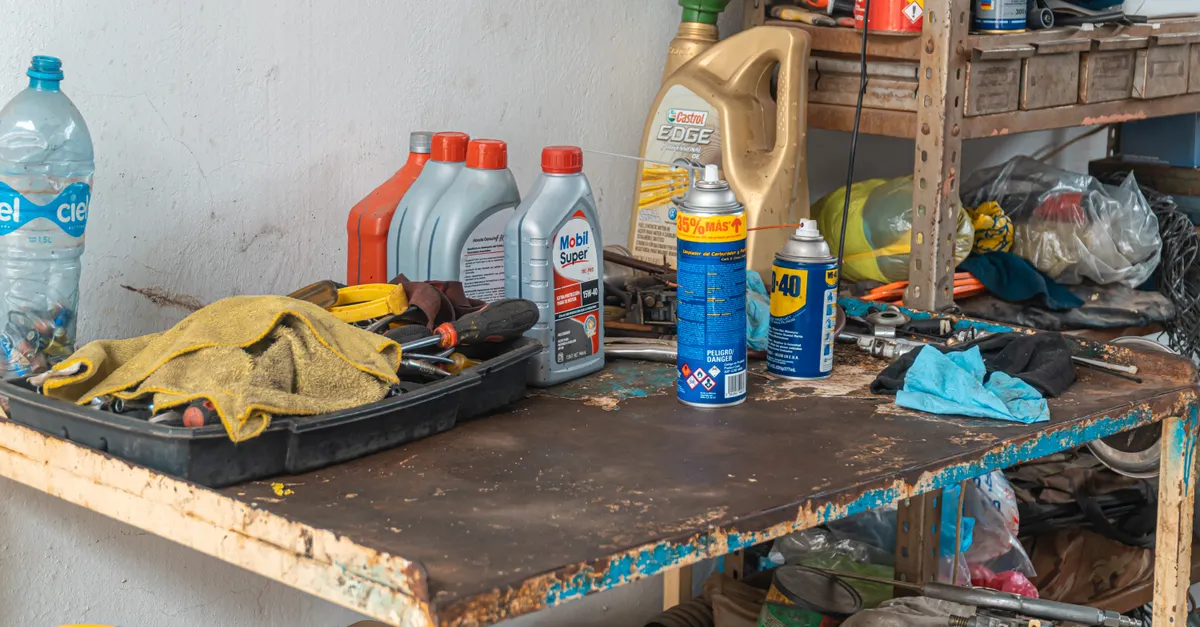
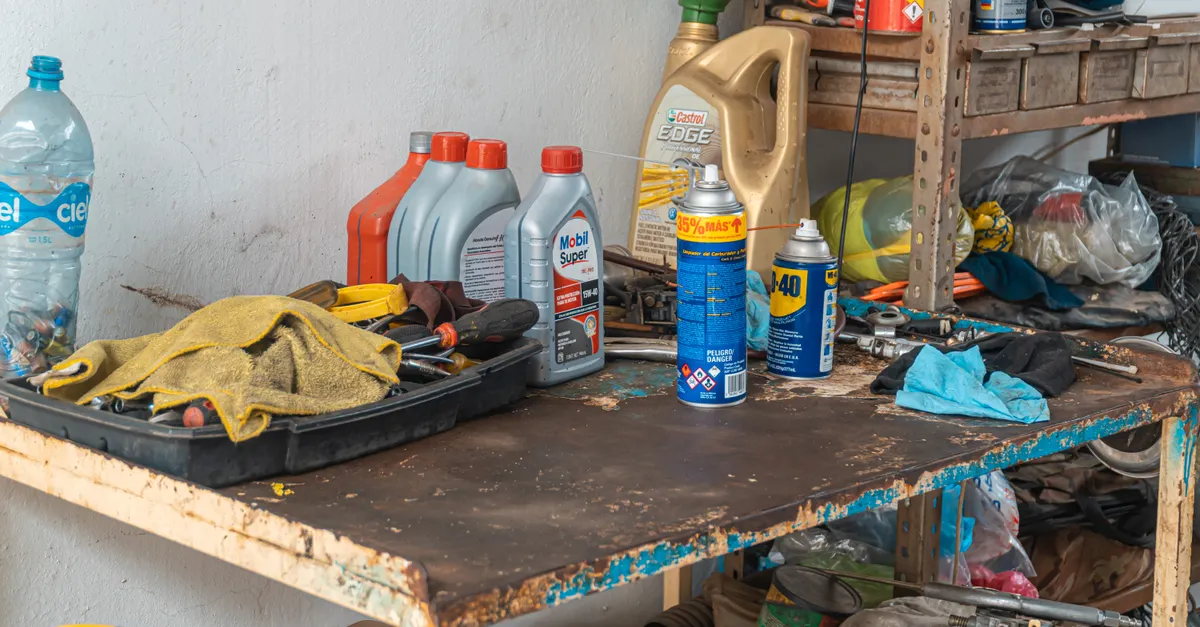
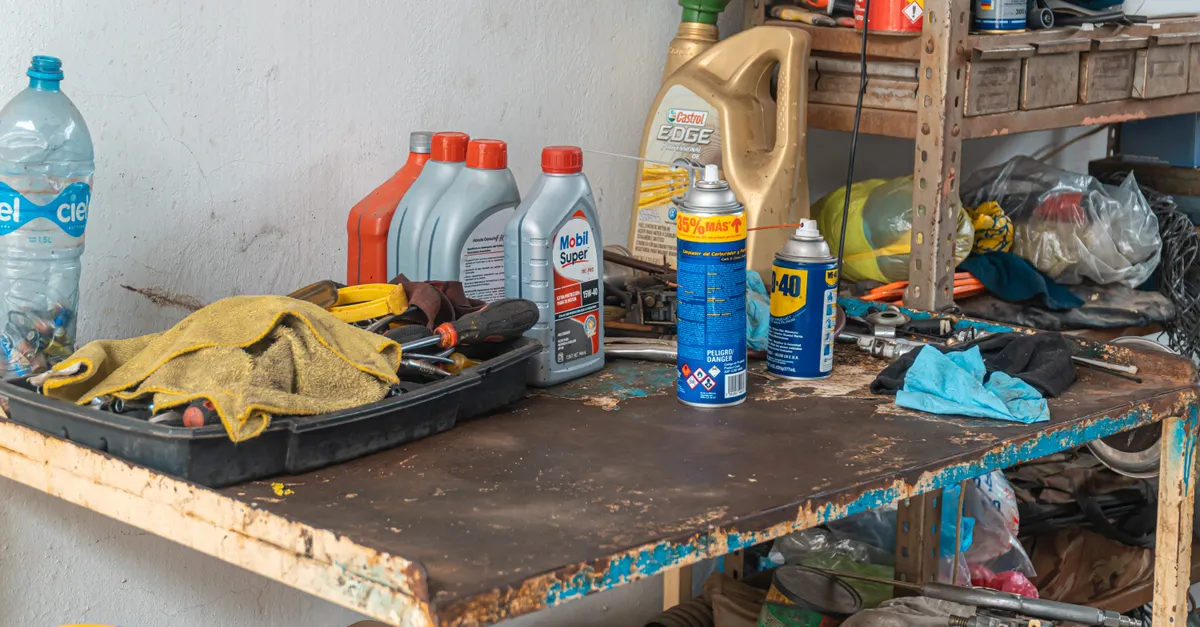
- Lubricant designed for garage door hardware (avoid WD-40 for cables)
- Step ladder (if needed for better access)
Having these supplies on hand will make the cleaning process more efficient and help you achieve better results.
Step-by-Step Guide to Garage Door Cable Cleaning
Follow these steps to clean your garage door cables safely and effectively:
- Disconnect the Power: If your garage door is automatic, unplug the opener to prevent accidental activation while working.
- Inspect the Cables: Visually check for any signs of fraying, rust, or broken strands. If you spot severe damage, stop and consult a professional before proceeding.
- Brush Away Loose Debris: Use a soft-bristled brush or old toothbrush to gently remove dust, dirt, and cobwebs from the cables.
- Wipe with Cleaner: Dampen a cloth with a mild degreaser or garage door cleaner and wipe down the cables. Avoid soaking them, as excess moisture can promote rust.
- Dry Thoroughly: Use a dry, lint-free cloth to remove any remaining moisture from the cables.
- Apply Lubricant: Lightly coat the cables with a garage door-specific lubricant. This helps protect against rust and ensures smooth movement. Do not over-lubricate, as excess oil attracts more dirt.
- Reconnect Power and Test: Plug the opener back in and operate the door a few times to distribute the lubricant and check for smooth operation.
Performing these steps every few months, or more frequently in harsh climates, will help keep your cables in optimal condition.
Common Issues Found During Cable Cleaning
While cleaning, you may encounter several issues that indicate your cables need more than just maintenance:
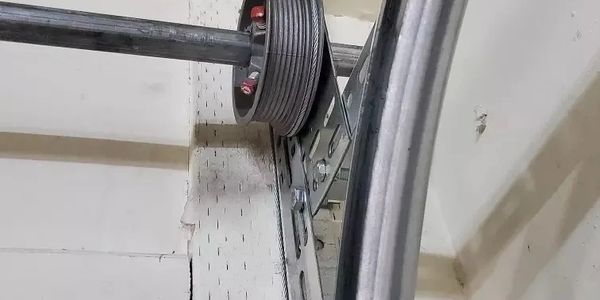
- Fraying: Individual wires sticking out from the cable. This is a sign of wear and can lead to sudden failure.
- Rust or Corrosion: Orange or brown discoloration, often caused by moisture exposure. For strategies to prevent this, see the garage door cable corrosion prevention guide.
- Kinks or Bends: Sharp bends can weaken the cable and affect door movement.
- Slack: If the cable appears loose, it may need adjustment or replacement.
If you notice any of these problems, it’s best to consult a professional for repair or replacement. Attempting to fix severely damaged cables yourself can be hazardous due to the high tension involved.
How Often Should You Clean Garage Door Cables?
For most homes, cleaning cables every six months is sufficient. However, if you live in an area with high humidity, coastal air, or frequent dust, you may need to clean them quarterly. Seasonal changes can also impact cable condition. For more on adjusting your routine, the garage door cable seasonal maintenance guide provides detailed recommendations.
Regular inspections during cleaning sessions help you catch issues early and keep your garage door running smoothly year-round.
Additional Tips for Garage Door Cable Longevity
- Keep the Area Dry: Moisture is the enemy of steel cables. Address leaks or condensation in your garage promptly.
- Use the Right Lubricant: Choose a product specifically designed for garage door hardware. Avoid heavy greases or household oils.
- Check for Alignment: Ensure cables are tracking properly on pulleys and drums. Misalignment can cause premature wear.
- Address Rust Immediately: If you spot early rust, clean and lubricate the area. For severe cases, see the garage door cable moisture damage guide for solutions.
- Don’t Ignore Unusual Noises: Squeaking or grinding sounds may indicate a cable or pulley issue that needs attention.
Staying proactive with these steps will help you avoid unexpected breakdowns and extend the life of your garage door system.
When to Call a Professional
While routine garage door cable cleaning is safe for most homeowners, there are situations where professional help is necessary. If you notice severe fraying, broken strands, or if the cable has slipped off its drum, do not attempt repairs yourself. Garage door cables are under high tension and can cause serious injury if mishandled.
Additionally, if your door is heavy, uneven, or won’t open smoothly after cleaning and lubrication, a trained technician can diagnose and fix the underlying issue. Regular professional inspections, combined with your own cleaning efforts, provide the best protection for your hardware.
Frequently Asked Questions
What are the signs that my garage door cables need cleaning?
Look for visible dirt, dust buildup, or signs of rust on the cables. If your door is making unusual noises or moving unevenly, it may also indicate the need for cleaning and lubrication.
Can I use household lubricants for garage door cables?
It’s best to use lubricants specifically designed for garage door hardware. Household oils or greases can attract more dirt or cause buildup, which may worsen cable performance over time.
How do I prevent rust on my garage door cables?
Regular cleaning, proper lubrication, and keeping your garage dry are key. Address any leaks or sources of moisture quickly. For more in-depth prevention strategies, see the garage door cable corrosion prevention guide.
Is it safe to replace garage door cables myself?
Replacing cables is not recommended for most homeowners due to the high tension involved. Cleaning and basic inspection are safe, but repairs or replacements should be handled by a professional to avoid injury.
How often should I schedule professional garage door maintenance?
Annual professional inspections are ideal, even if you perform regular cleaning yourself. Technicians can spot hidden issues and ensure all components, including cables, are in safe working order.