Understanding the physics behind garage door cables is essential for anyone who wants to maintain a safe, reliable, and long-lasting garage door system. These cables play a crucial role in lifting and lowering the door, counterbalancing its weight, and ensuring smooth operation. Whether you’re a homeowner, a DIY enthusiast, or a technician, knowing how force, weight, and balance interact in this context can help prevent breakdowns and costly repairs.
Garage doors are heavy, often weighing between 100 and 400 pounds depending on size and material. The cables, springs, and pulleys work together to make lifting this weight manageable. If any part of this system is out of balance or under excessive strain, it can lead to failures or even safety hazards. For a more technical overview of cable types, installation, and troubleshooting, you can refer to the garage door cable professional guide.
How Garage Door Cables Work: The Basics of Force and Motion
At the heart of every garage door system is the principle of mechanical advantage. The cables are responsible for transferring the force generated by the springs to the door itself. When you open the door, either manually or with an automatic opener, the cables wind or unwind around drums or pulleys, lifting or lowering the door along its tracks.
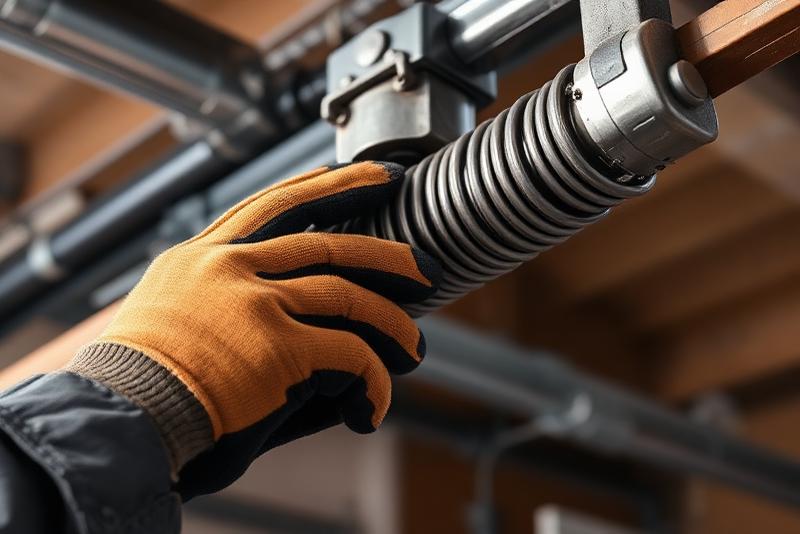
Most residential garage doors use either torsion or extension spring systems. In both cases, the cables are attached to the bottom of the door and run up to the top, where they connect to the spring mechanism. The springs store energy and release it as needed, reducing the amount of force you need to lift the door. The cables ensure this force is applied evenly, preventing the door from jamming or becoming unbalanced.
Proper cable tension is critical. If the cables are too loose, the door may not open smoothly or could even come off its tracks. If they’re too tight, excessive stress is placed on the springs and other components, increasing the risk of breakage.
Weight Distribution and Balance in Garage Door Systems
One of the most important aspects of garage door cable physics is balance. A well-balanced door can be lifted with minimal effort and stays in place when partially open. This balance is achieved by matching the counteracting force of the springs and cables to the actual weight of the door.
To check if your door is balanced, disconnect the opener and lift the door manually to the halfway point. If it stays in place, the system is balanced. If it falls or shoots up, adjustments are needed. Imbalances can cause cables to fray, slip, or snap, leading to sudden failures.
For those interested in preventing such issues, the garage door cable prevention tips article offers practical advice on routine checks and maintenance.
Types of Cables and Their Role in Door Mechanics
There are two main types of cables used in garage door systems: lifting cables and safety cables. Lifting cables are responsible for raising and lowering the door, while safety cables act as a backup in case a spring breaks, preventing the door from crashing down.
- Lifting Cables: These are typically made of galvanized steel for strength and durability. They must be sized correctly for the weight and height of your door.
- Safety Cables: Found mainly in extension spring systems, these run through the center of the spring and anchor at both ends, catching the spring if it snaps.
Choosing the right cable and ensuring proper installation is vital. Incorrect cable size or poor installation can lead to uneven force distribution, excessive wear, and potential safety hazards. For those considering upgrades, the garage door cable system upgrade guide covers modern options and compatibility.
Forces at Play: Tension, Compression, and Friction
Several physical forces interact in a garage door system:
- Tension: The cables are under constant tension, especially when the door is closed. This tension counteracts the weight of the door, making it possible to lift with minimal effort.
- Compression: The door itself experiences compression as it moves along the tracks, especially at the bottom section.
- Friction: As cables wind and unwind, friction occurs between the cable and the drum or pulley. Over time, this can cause wear and eventual failure if not properly lubricated or maintained.
Understanding these forces helps in diagnosing issues like noisy operation, jerky movement, or visible cable wear. Regular inspection and lubrication can extend the lifespan of your cables and keep your system running smoothly.
Common Issues and Preventive Maintenance
Despite their strength, garage door cables are subject to wear and tear. Common issues include fraying, rust, and loosening. Environmental factors like humidity and temperature changes can accelerate corrosion and weaken the cables over time.
To minimize risks, regular inspection is recommended. Look for signs of wear, rust, or broken strands. Lubricate moving parts and check cable tension periodically. For more on protecting cables from environmental damage, see the garage door cable corrosion prevention guide.
Replacing cables should be done with caution, as they are under high tension. If you’re unsure, it’s best to consult a professional. For those who want to keep their system in top shape year-round, the garage door cable seasonal maintenance article provides seasonal checklists and tips.
Why Proper Cable Physics Matters for Safety and Longevity
Neglecting the principles of force, weight, and balance in your garage door system can lead to sudden failures, property damage, or even injury. Well-maintained cables ensure that the door operates smoothly, stays balanced, and lasts for years. Proper understanding also helps you select the right replacement parts and perform basic troubleshooting.
For a deeper dive into what cables do and how they interact with other components, check out this comprehensive explanation of garage door cable functions.
Frequently Asked Questions
How do I know if my garage door cables need to be replaced?
Look for visible signs such as fraying, rust, or broken strands. If the door moves unevenly or makes unusual noises, the cables may be worn or damaged. Regular inspection helps catch problems early before they lead to more serious issues.
Can I replace garage door cables myself?
While some experienced DIYers may attempt cable replacement, it’s important to recognize the risks. Garage door cables are under significant tension and can cause injury if mishandled. If you’re not confident, it’s best to hire a professional technician.
How often should I inspect and lubricate my garage door cables?
It’s recommended to inspect cables at least twice a year and lubricate moving parts every few months. Seasonal changes can affect cable performance, so regular maintenance helps extend their lifespan and ensures safe operation.